WhatsApp Support Ending for Older Smartphones in March 2026
WhatsApp, the globally popular messaging application owned by Meta Platforms, is set to discontinue support for a range of older Android and iOS devices beginning in March 2026. This change stems from ongoing updates to the platform’s technical requirements, designed to enhance performance, bolster security, and facilitate the integration of recent features. The move will impact users whose devices no longer receive operating system updates or meet current security standards. This isn’t an isolated incident; tech companies routinely update software requirements, inevitably phasing out support for older hardware to optimize functionality and security for the majority of their user base.
The decision to drop support for older devices is part of a regular process undertaken by WhatsApp, and other major software providers, to improve the user experience and protect against evolving cybersecurity threats. Maintaining compatibility with a wide range of older systems can introduce vulnerabilities and hinder the implementation of advanced features. As technology advances, the demands on processing power and software capabilities increase, making it impractical to support increasingly outdated hardware. Meta has consistently stated its commitment to providing a secure and reliable messaging service, and this update is presented as a necessary step in achieving that goal.
The affected devices include several models launched over a decade ago that no longer receive updates from their manufacturers. While the exact list of unsupported devices continues to evolve, several key models have been identified. Users are encouraged to check their device’s operating system version and WhatsApp’s official support documentation to determine compatibility.
Affected Devices
Among the Android devices losing WhatsApp support are the Samsung Galaxy S3, Samsung Galaxy S4 mini, Sony Xperia M, LG Optimus L7 II, and the first-generation Motorola Moto E. These devices, while once popular, have reached the end of their software support lifecycle, making them incompatible with WhatsApp’s updated requirements. The specific Android versions running on these devices are likely older than Android 5.0, the minimum requirement for continued WhatsApp functionality.
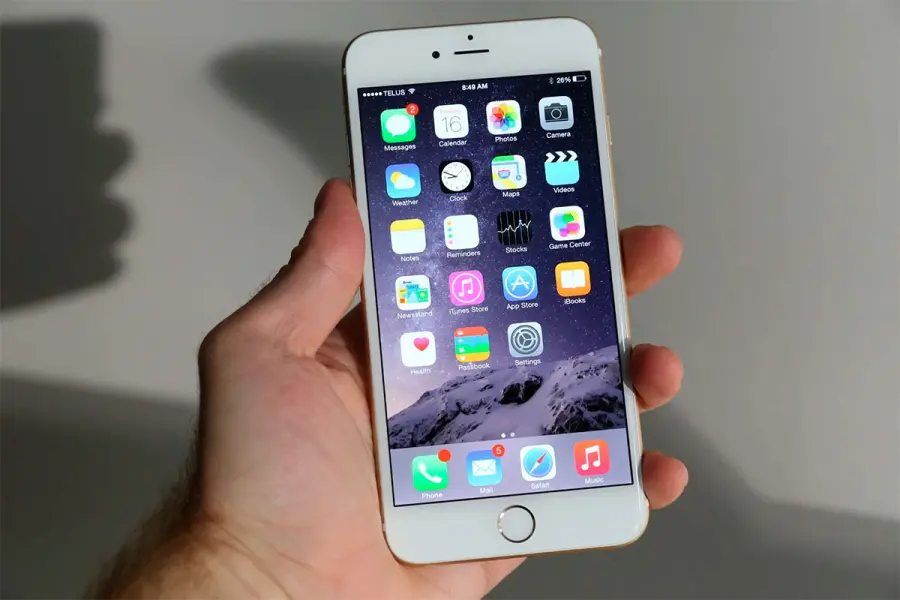
Apple devices that cannot be updated to recent versions of iOS will also be impacted. While a comprehensive list of affected iPhones hasn’t been officially released, older models that have reached their software update limit will no longer be able to run the latest version of WhatsApp. Apple typically provides software updates for its devices for several years, but eventually, older hardware becomes incompatible with newer iOS versions.
Why WhatsApp is Ending Support
Starting in 2026, WhatsApp will only function on devices running Android 5.0 (Lollipop) or higher and iOS 15.1 or later. According to reports, this decision is driven by the need to maintain a secure and reliable platform. Many of the aforementioned phones are unable to upgrade to these versions, rendering them unsupported. This minimum requirement allows WhatsApp to leverage the latest security features and performance optimizations available in newer operating systems.
Beyond functionality, devices that no longer receive security patches pose a risk to user privacy and data protection. Outdated software is more vulnerable to exploits and malware, potentially compromising sensitive information. Tech platforms often discontinue support for older equipment to mitigate these risks and protect their users. This practice is common across the industry, as maintaining security for a constantly evolving threat landscape requires ongoing investment and development.
What Users Can Do
For users affected by this change, several options are available. First, it’s advisable to check if your device is eligible for an operating system update. While many older devices will not receive further updates, some may still be upgradable. Second, it’s crucial to back up your WhatsApp chats before support ends to preserve your message history. WhatsApp provides tools for backing up chats to Google Drive (Android) or iCloud (iOS). Finally, the most effective solution is to consider upgrading to a newer smartphone that meets the minimum operating system requirements.
The move by WhatsApp reflects a broader trend in the tech industry towards prioritizing security and performance. While it may be inconvenient for users with older devices, it’s a necessary step to ensure the continued reliability and safety of the platform. Meta, the parent company of WhatsApp, has been focused on enhancing its security measures in recent years, and this update is part of that ongoing effort. In November 2025, Meta successfully defended itself against an antitrust lawsuit brought by the Federal Trade Commission, as reported by the Boston Herald, allowing it to continue operating WhatsApp and Instagram as separate entities. This legal victory allows Meta to continue investing in and developing its platforms, including WhatsApp, without the constraints of a forced breakup.
Meta recently announced a new premium subscription service for WhatsApp in March 2026, according to a post on Facebook, though the company maintains that the core WhatsApp service will remain free. This new subscription is aimed at providing additional features and support for business users, further demonstrating Meta’s commitment to evolving the platform.
As WhatsApp continues to evolve, users are encouraged to stay informed about the latest updates and requirements. Regularly checking for software updates and ensuring your device meets the minimum specifications will help ensure a seamless and secure messaging experience. The transition away from support for older devices is a natural part of the technological lifecycle, and proactive measures can help users mitigate any potential disruptions.
The next key date to watch is March 2026, when the updated operating system requirements will take effect. Users with unsupported devices will no longer be able to leverage WhatsApp after this date. We encourage our readers to share their experiences and questions in the comments below, and to stay tuned to World Today Journal for further updates on this developing story.
Related reading