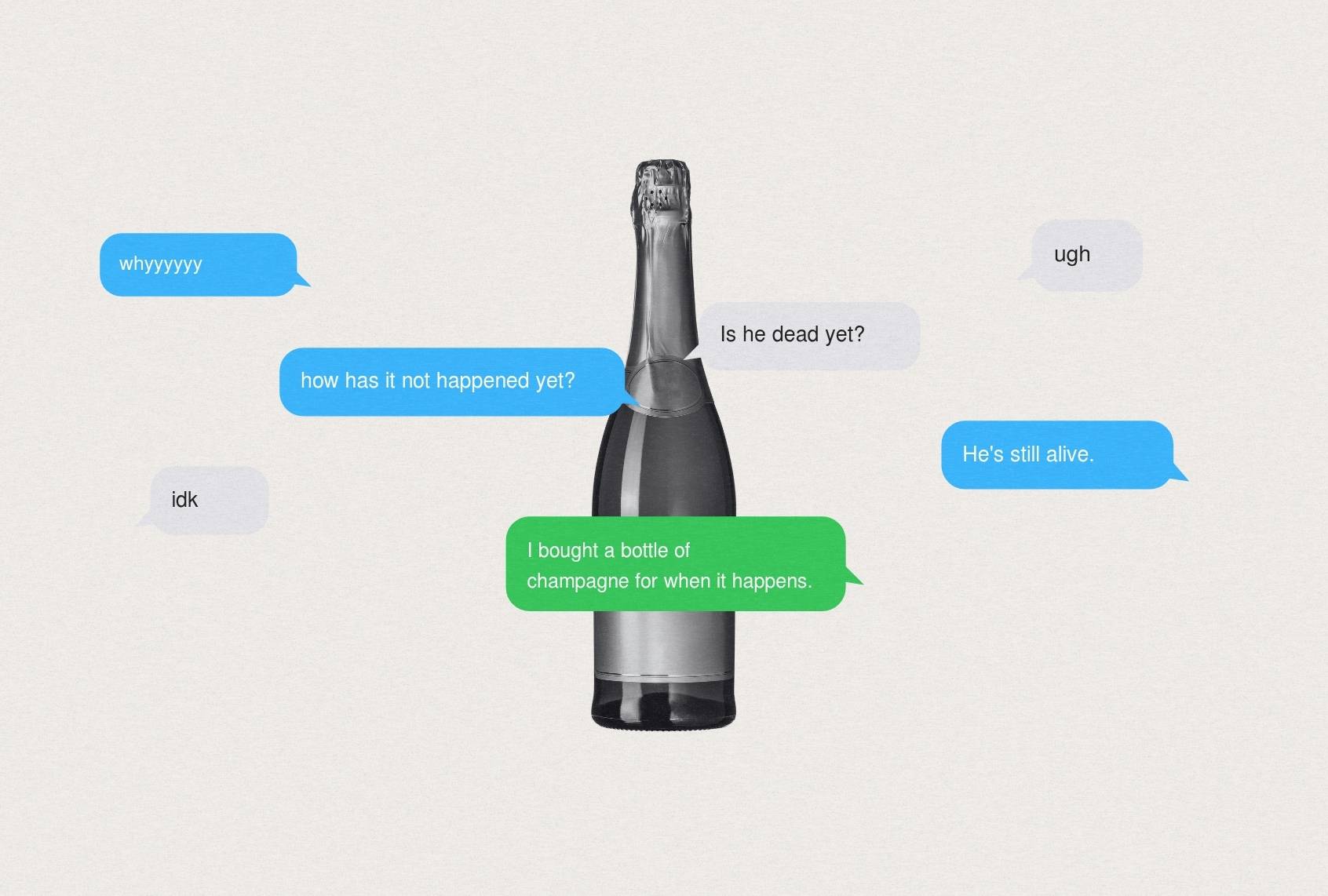
In the digital corridors of X, TikTok, and Reddit, a new linguistic phenomenon has taken hold. Users are increasingly abandoning direct language in favor of a coded vocabulary—vague phrases, intentional misspellings, and creative substitutions—to discuss sensitive political figures and volatile events. This shift is not merely a quirk of Gen Z slang; it is a sophisticated response to the invisible hand of content moderation.
This practice, known as “algospeak,” represents a fundamental shift in how the global public communicates. By replacing “forbidden” words with proxies, users attempt to bypass the automated filters of social media platforms that might otherwise shadowban, demonetize, or remove their content. However, as this coded language migrates from simple avoidance to political signaling, we are witnessing the weaponization of euphemism—a process where the ambiguity of language is used both to protect the speaker and to signal shared grievances to an “in-group.”
From a business and economic perspective, this evolution is driven by the attention economy. In a marketplace where visibility is the primary currency, the ability to circumvent algorithmic suppression is a competitive necessity for influencers, political activists, and media entities. When the platforms that govern public discourse label certain terms as “undesirable,” they do not eliminate the conversation; they simply force it into a coded subterranean layer.
The Mechanics of Algospeak and Digital Censorship
Algospeak is the linguistic byproduct of the struggle between human expression and machine learning. Social media algorithms are designed to identify “harmful” content using keyword lists and sentiment analysis. To survive this environment, users have developed a “colorful potpourri of euphemisms,” as described by linguists studying the impact of content moderation on language. One of the most prominent examples is the term “unalive,” used as a substitute for “kill” or “suicide” to avoid triggering safety filters that might suppress the post or redirect the user to a help center.
This process creates a linguistic treadmill. Once an algorithm learns to recognize a proxy term like “unalive,” the community develops a new one. This cycle reflects a broader trend of online self-censorship, where the goal is not necessarily to be polite, but to be invisible to the machine while remaining legible to the human audience. The result is a fragmented vocabulary that varies by platform and political leaning, creating distinct silos of meaning.
The impact of this shift extends beyond mere avoidance. When a platform prevents the use of direct terms, the proxy becomes a proxy for human behavior itself. Instead of a word evolving naturally over time through cultural usage, it is artificially shifted by a corporate policy. This effectively outsources the evolution of language to a handful of engineers and policy teams in Silicon Valley, fundamentally altering the way a global audience conceptualizes conflict, death, and political dissent.
The Political Utility of Coded Language
While algospeak began as a tool for survival, it has evolved into a tool for political strategy. In highly polarized environments, euphemisms allow users to discuss controversial figures or express extreme sentiments without leaving a “searchable” trail of inflammatory language. This creates a layer of plausible deniability; a phrase that seems innocuous to a moderator or a casual observer may carry a specific, potent meaning to those initiated in the political subculture.
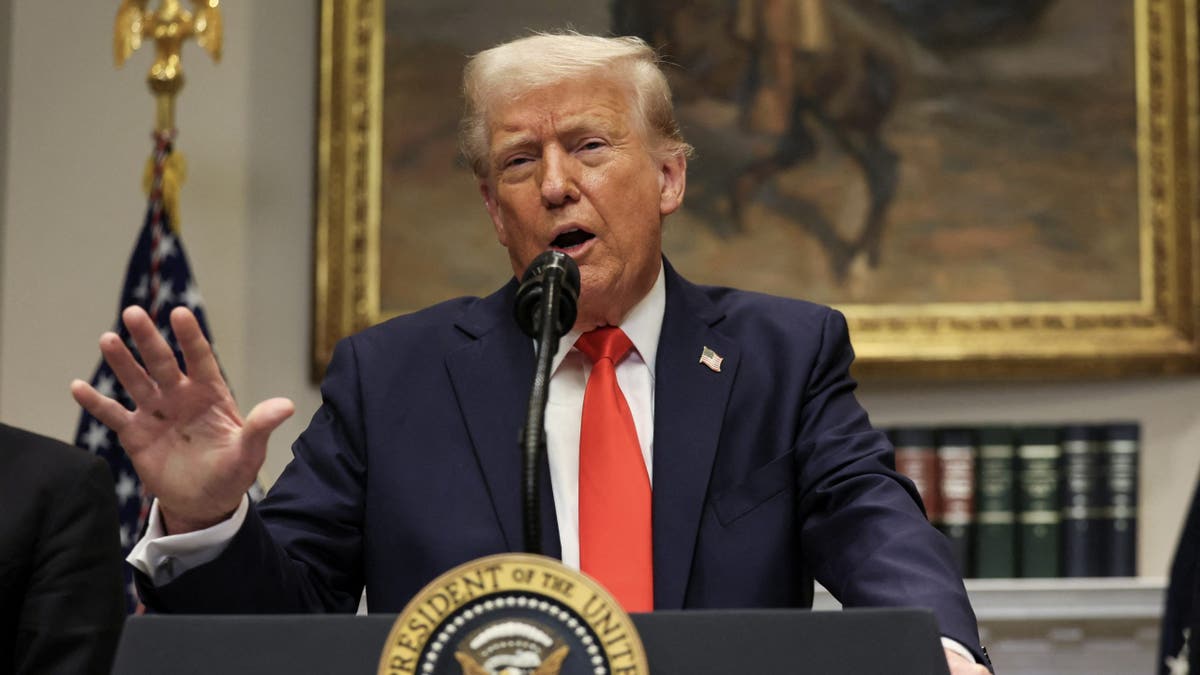
This “coded” communication serves several strategic purposes:

- In-Group Signaling: Using specific euphemisms identifies a user as part of a particular ideological camp, fostering a sense of community through shared secrets.
- Avoiding “Clout” Provision: Some users avoid naming a political opponent directly to prevent the opponent’s name from trending or gaining further visibility, believing that any mention—even negative—contributes to that person’s brand value.
- Bypassing Moderation: Coded language allows for the discussion of “taboo” political topics—such as the health or demise of a leader—without triggering “harassment” or “violence” flags.
The danger arises when these euphemisms are interpreted differently by different parties. A phrase intended as a joke or a vague hope by one group may be interpreted as a credible threat by another. Because the meaning is intentionally veiled, the potential for misunderstanding is high, often leading to escalating tensions and legal disputes over the “true” intent of a post.
The Psychological Link Between Semantics and Action
As a scholar of economics and a journalist, I have long observed that the language we use to describe a system often dictates how we interact with that system. In linguistics, the Sapir-Whorf hypothesis suggests that the structure of a language influences its speakers’ worldview. When we replace direct words with euphemisms, we are not just changing the label; we are altering the psychological weight of the concept.
The weaponization of euphemism in political discourse can lead to a “de-realization” of political consequences. When violence is discussed through the lens of “algospeak” or coded irony, the gravity of the act is diminished. The distance between a “coded” wish for a political opponent’s disappearance and a literal call for violence becomes dangerously thin. By neutralizing the language of conflict, we may inadvertently lower the social and psychological barriers to actual conflict.
the reliance on coded language betrays a growing sense of fragility in free expression. When a significant portion of the population feels they cannot speak plainly about their political realities without facing digital exile, the health of the democratic discourse is compromised. The shift toward euphemism is a symptom of a culture that is navigating around depravity and violence rather than confronting it directly.
The Future of Public Discourse in the Algorithmic Age
As we move toward an era of even more integrated AI moderation, the battle between human language and algorithmic control will only intensify. We are likely to see the rise of “semantic camouflage,” where AI is used not only to moderate content but to generate coded language that is specifically designed to be invisible to other AI.
The challenge for society is to determine where the line between “community slang” and “dangerous obfuscation” lies. While the desire to bypass corporate filters is understandable, the systemic loss of direct communication is a high price to pay. A society that cannot name its fears, its enemies, or its hopes without “mincing words” is a society that struggles to find common ground or reach a consensus on the truth.
the removal of a single figurehead or the update of a single algorithm will not solve the underlying issue. The weaponization of euphemism is a reflection of a deeper cultural fracture. To heal this, we must move beyond the “shadow” of coded language and return to a discourse where ideas are debated openly, and where the words we choose accurately reflect the world we wish to build.
The next critical checkpoint for this evolution will be the upcoming revisions to the European Union’s Digital Services Act (DSA) and subsequent regulatory updates regarding content moderation transparency. These mandates may force platforms to be more explicit about their “forbidden” word lists, potentially reducing the need for algospeak by replacing opaque filters with clear, predictable guidelines.
Do you believe that “algospeak” protects free speech or merely masks the deterioration of public discourse? Share your thoughts in the comments below.
Related reading