
Navigating the complexities of intimacy is a challenge many couples face, but new research suggests that the act of declining sex can have a measurable impact on the overall health of a romantic relationship. Even as boundaries and consent are fundamental to any healthy partnership, the emotional fallout from a “no” can create tension that lingers long after the moment has passed.
The dynamics of sexual desire often fluctuate within a partnership, leading to a discrepancy in libido that can leave one partner feeling rejected and the other feeling pressured. Understanding how a refusal of intimacy affects the emotional bond is critical for couples seeking to maintain a stable and supportive connection.
Recent discussions in relationship science highlight that the impact of declining sex is rarely about the physical act itself, but rather the perceived lack of desire or connection. When one partner consistently says no, it can trigger feelings of inadequacy or emotional distance, potentially altering the trajectory of the relationship if not addressed through open communication.
The Emotional Impact of Sexual Rejection
When a partner declines sex, the reaction is often tied to how the rejection is communicated and perceived. In many cases, the partner who is rejected does not simply miss the physical intimacy but interprets the refusal as a sign of a deeper problem within the relationship or a lack of attraction.
This emotional response can lead to a cycle of frustration. The partner seeking intimacy may feel disconnected or unloved, while the partner declining may feel guilty or pressured, which in turn can further decrease their desire for intimacy. This tension often manifests in other areas of the relationship, such as increased irritability or a decrease in non-sexual affection.
Identifying the Patterns of Disconnection
Relationship experts suggest that the way couples handle these moments of disagreement is a strong indicator of the relationship’s longevity. Couples who can discuss their differing needs without judgment are more likely to find a sustainable balance. Conversely, those who view a “no” as a personal failure or a sign of a dying relationship may experience a faster decline in partnership quality.
Common signs that sexual rejection is negatively impacting a relationship include:
- Increased passive-aggressive behavior.
- A decline in emotional intimacy and shared vulnerability.
- Feelings of resentment or bitterness toward the partner.
- Avoidance of physical touch to prevent the risk of rejection.
Strategies for Navigating Differing Desires
Addressing the gap in sexual desire requires a shift from viewing the issue as a “problem to be fixed” to a “dynamic to be managed.” The goal is not necessarily to force a specific frequency of intimacy, but to ensure both partners feel seen, valued, and respected.
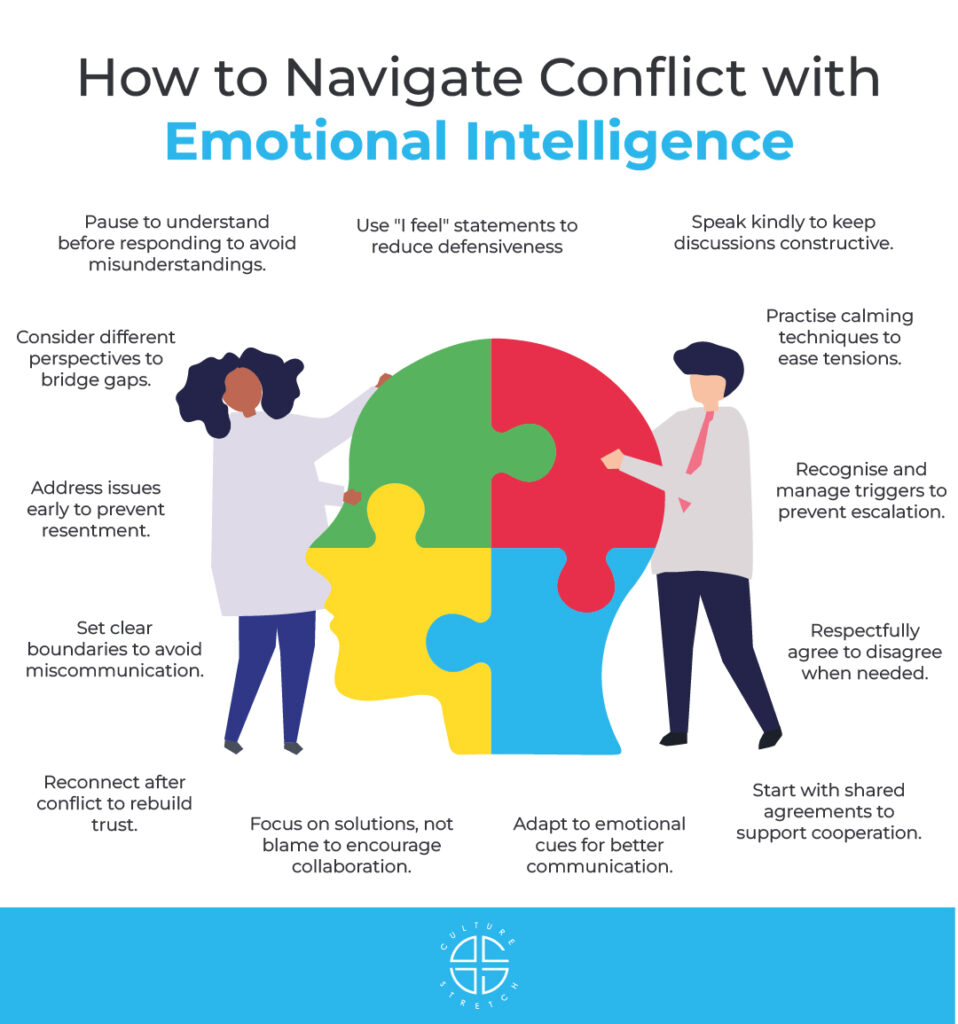
Communication is the primary tool for resolving these tensions. Instead of focusing on the lack of sex, couples are encouraged to discuss the emotions surrounding the rejection. Explaining the reasons behind a lack of desire—whether due to stress, exhaustion, or emotional disconnect—can help the other partner understand that the refusal is not a reflection of their worth or attractiveness.
The Role of Non-Sexual Intimacy
Maintaining a strong emotional bond through non-sexual intimacy can mitigate the negative effects of sexual rejection. Activities such as deep conversation, shared hobbies, and physical affection that does not lead to sex (such as hugging or holding hands) can reassure the rejected partner that they are still desired and loved.
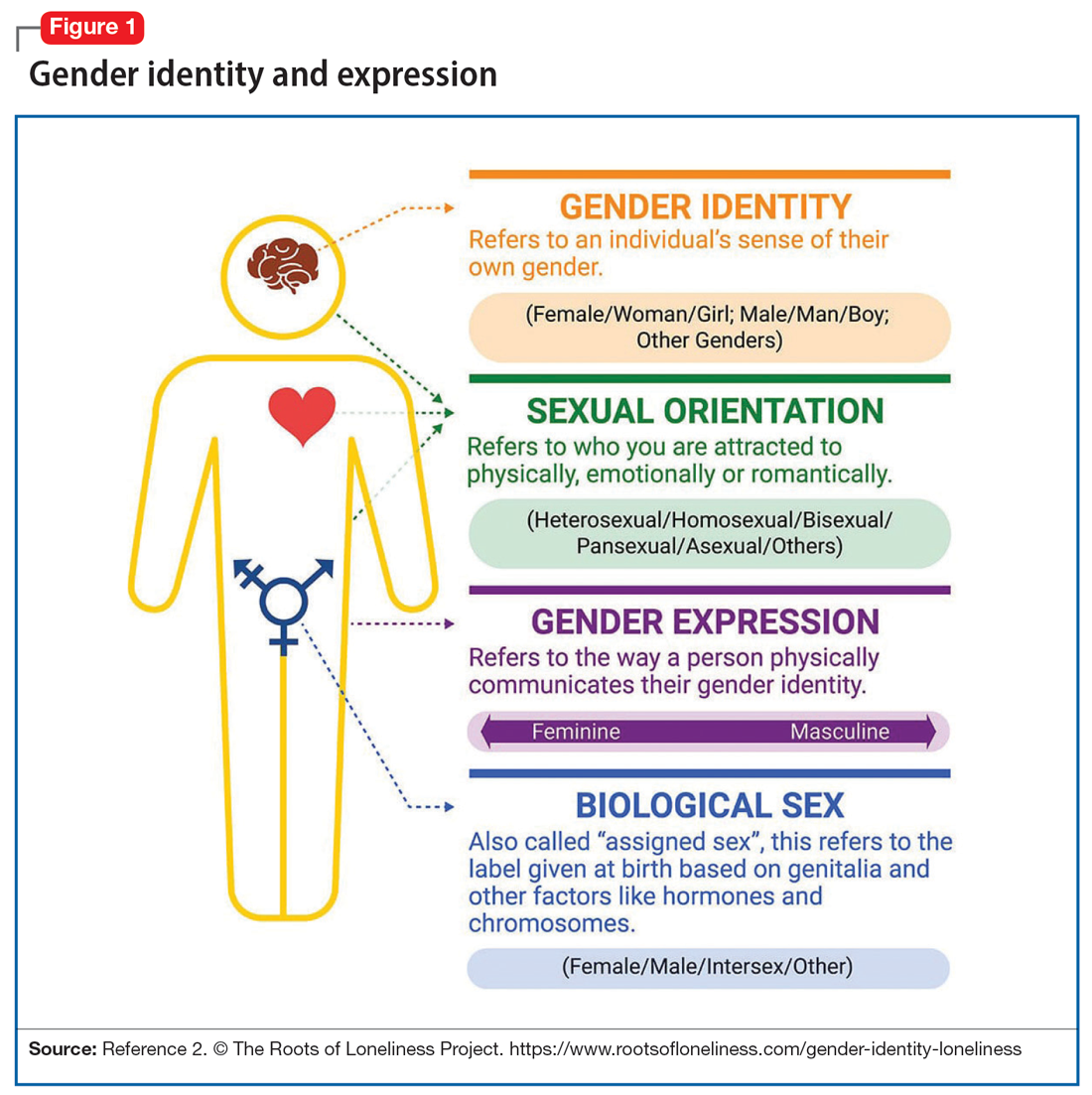
By diversifying how they express love and connection, couples can reduce the pressure on sexual intimacy as the sole barometer of the relationship’s health. This approach allows partners to navigate periods of low libido without damaging the core foundation of their partnership.
Key Takeaways for Couples
- Communication is Essential: Discussing desires and boundaries openly prevents misunderstandings and resentment.
- Separate Sex from Worth: It’s important to decouple a partner’s refusal of sex from their level of love or attraction.
- Prioritize Emotional Connection: Non-sexual intimacy helps maintain the bond when sexual desires are mismatched.
- Seek Professional Guidance: When patterns of rejection lead to chronic conflict, relationship counseling can provide tools for resolution.
For those experiencing significant distress due to intimacy issues, consulting a licensed therapist or relationship counselor can provide a structured environment to resolve these conflicts. Many couples find that professional mediation helps them establish a new “sexual contract” that respects both partners’ needs and boundaries.
As research continues to evolve regarding the intersection of desire and relationship stability, the focus remains on empathy and mutual understanding. The ability to say “no” and have that “no” accepted with grace is a hallmark of a secure and trusting relationship.
We invite you to share your thoughts or experiences with navigating intimacy in the comments below. Please share this article with others who may find these insights helpful.