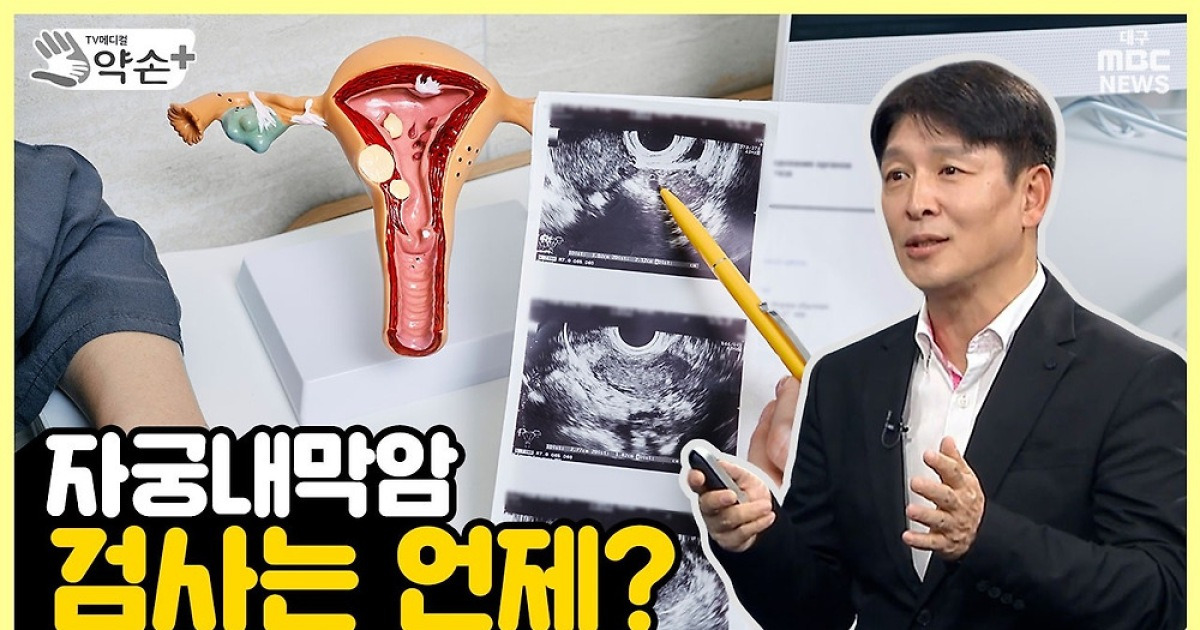
Endometrial cancer—the most common gynecologic malignancy in developed countries—often progresses silently until symptoms become unmistakable. Yet early detection remains the key to improving survival rates, which hover around 95% when diagnosed at the localized stage but plummet to 28% when metastatic (Cancer.org). The question of when and who should undergo endometrial cancer screening is complex, shaped by evolving medical guidelines, individual risk profiles, and systemic healthcare policies. While cervical cancer screening is well-established in many nations, endometrial cancer lacks uniform global recommendations—a gap that leaves millions of women and people with uteruses vulnerable.
Dr. Helena Fischer, Editor of Health at World Today Journal, emphasizes that the lack of standardized screening protocols stems from two critical factors: the absence of a universally accepted, highly sensitive screening test for endometrial cancer, and the fact that symptoms like abnormal vaginal bleeding often appear only after the disease has advanced. “Unlike cervical cancer, where Pap smears have been a cornerstone of prevention for decades, endometrial cancer screening remains controversial,” Fischer notes. “But the stakes couldn’t be higher. By the time symptoms emerge, up to 30% of cases may already be at an advanced stage (studies suggest).”
This fifth installment in our series on endometrial cancer—“The Silent Signals Your Uterus Sends: Understanding Endometrial Cancer”—focuses on the critical question: Who should consider screening, and when? We’ll explore the latest medical consensus, high-risk populations, emerging diagnostic tools, and how to navigate these decisions with your healthcare provider. For those at average risk, the message may surprise you: routine screening isn’t yet recommended. But for others, early detection could be lifesaving.
Who Should Be Screened for Endometrial Cancer?
The American Cancer Society and other leading organizations currently do not recommend routine endometrial cancer screening for the general population. This stance is based on several factors:
- Lack of a definitive screening test: Unlike Pap smears for cervical cancer, no single test can reliably detect endometrial cancer in asymptomatic individuals. Current options—such as transvaginal ultrasound or endometrial biopsy—carry risks of false positives, discomfort, and procedural complications.
- Symptom-based diagnosis: Abnormal uterine bleeding (AUB) remains the primary red flag, yet many women experience bleeding unrelated to cancer. This ambiguity complicates the case for mass screening.
- Cost-effectiveness concerns: Studies suggest that the potential benefits of population-wide screening may not outweigh the costs and risks for women at average risk (cost-analysis studies).
However, this does not mean screening is irrelevant. Experts agree that high-risk individuals should have targeted discussions with their healthcare providers about early detection strategies. The following groups are typically advised to consider proactive measures:
1. Women with a Family History of Endometrial or Colorectal Cancer
Endometrial cancer shares genetic links with Lynch syndrome (hereditary nonpolyposis colorectal cancer), which increases the risk of both uterine and colorectal malignancies. Women with:
- A first-degree relative (mother, sister, daughter) diagnosed with endometrial cancer before age 60.
- A family history of Lynch syndrome or known genetic mutations (e.g., MLH1, MSH2, MSH6, PMS2).
- Multiple relatives with endometrial, ovarian, or colorectal cancer.
“If endometrial cancer runs in your family, especially at younger ages, your risk could be significantly elevated,” says Fischer. “In such cases, screening with transvaginal ultrasound or endometrial biopsy may be recommended starting in the late 30s or early 40s, depending on family history patterns.”
2. Women with Obesity, Diabetes, or Polycystic Ovary Syndrome (PCOS)
Chronic conditions linked to hormonal imbalances and insulin resistance—such as obesity (BMI ≥30), type 2 diabetes, and PCOS—are strongly associated with endometrial cancer. Women in these categories face a 2–4 times higher risk than the general population (National Cancer Institute). Screening discussions may include:
- Annual pelvic exams to monitor for abnormal findings.
- Transvaginal ultrasound for endometrial thickness measurements (thickness >4 mm in postmenopausal women warrants further investigation).
- Endometrial biopsy if symptoms like postmenopausal bleeding occur.
3. Women on Tamoxifen or Other Hormone Therapies
Tamoxifen, a drug used to reduce breast cancer recurrence, increases endometrial cancer risk by up to 2–3 times. Women on long-term tamoxifen therapy should:
- Report any vaginal bleeding or spotting to their oncologist immediately.
- Consider endometrial sampling if symptoms arise, even in the absence of bleeding.
4. Postmenopausal Women with Abnormal Uterine Bleeding
Postmenopausal bleeding is never normal and warrants immediate evaluation. While most cases are benign (e.g., atrophic vaginitis), up to 10% of postmenopausal women with bleeding are diagnosed with endometrial cancer (UpToDate). Diagnostic steps typically include:
- Transvaginal ultrasound to assess endometrial thickness.
- Endometrial biopsy (the gold standard for diagnosis).
Emerging Screening Tools: What’s on the Horizon?
Researchers are actively exploring less invasive and more accurate screening methods. Two promising avenues include:
1. Non-Invasive Biomarkers
Studies are investigating blood and urine biomarkers that could detect endometrial cancer early. For example:
- CA-125 levels: While not specific to endometrial cancer, elevated CA-125 may prompt further testing in high-risk women.
- MicroRNA panels: Emerging research suggests that specific microRNA signatures in blood could identify endometrial cancer with high sensitivity (Nature study).
2. Saline Sonohysterography
This ultrasound technique, which involves injecting saline into the uterus, can provide a more detailed view of the endometrial lining than traditional transvaginal ultrasound. It may become a first-line tool for high-risk women in the future.
When Should Screening Begin?
There is no universal age for starting endometrial cancer screening. However, experts offer the following guidelines:
- Average-risk women: No routine screening is recommended. Instead, focus on recognizing symptoms (e.g., postmenopausal bleeding) and discussing risk factors with your provider.
- High-risk women (e.g., Lynch syndrome, obesity, tamoxifen use): Screening discussions may begin in the 30s–40s, depending on individual risk factors.
- Postmenopausal women: Immediate evaluation is advised for any abnormal bleeding, regardless of risk profile.
What Happens Next? Key Checkpoints and Resources
The landscape of endometrial cancer screening is evolving. Here’s what to watch for in 2026:
- Updated guidelines: The American Cancer Society and World Health Organization are expected to release revised screening recommendations later this year, incorporating new biomarker research.
- Clinical trials: Ongoing studies, such as the ENDOMETRIAL CANCER SCREENING TRIAL (NCT04539965), are testing non-invasive screening strategies for high-risk populations.
- Insurance coverage: As screening tools become more validated, advocacy groups are pushing for expanded coverage, particularly for high-risk women.
For now, the best defense remains awareness. “If you’re at higher risk, don’t wait for symptoms,” Fischer advises. “Schedule a risk assessment with your gynecologist to discuss personalized screening strategies. Early detection saves lives—and endometrial cancer is no exception.”
Key Takeaways
- No routine screening is recommended for average-risk women. Focus on symptom awareness (e.g., postmenopausal bleeding).
- High-risk groups (family history, obesity, Lynch syndrome, tamoxifen use) should discuss screening with their provider.
- Emerging tools like biomarkers and saline sonohysterography may change guidelines in the coming years.
- Postmenopausal bleeding always requires immediate evaluation, regardless of risk.
- Screening discussions should start in the 30s–40s for high-risk individuals, tailored to personal medical history.
Have questions about your personal risk or screening options? Share your concerns in the comments below—or connect with Dr. Fischer on Twitter for expert insights. For official updates, visit the American Cancer Society or your national health authority.