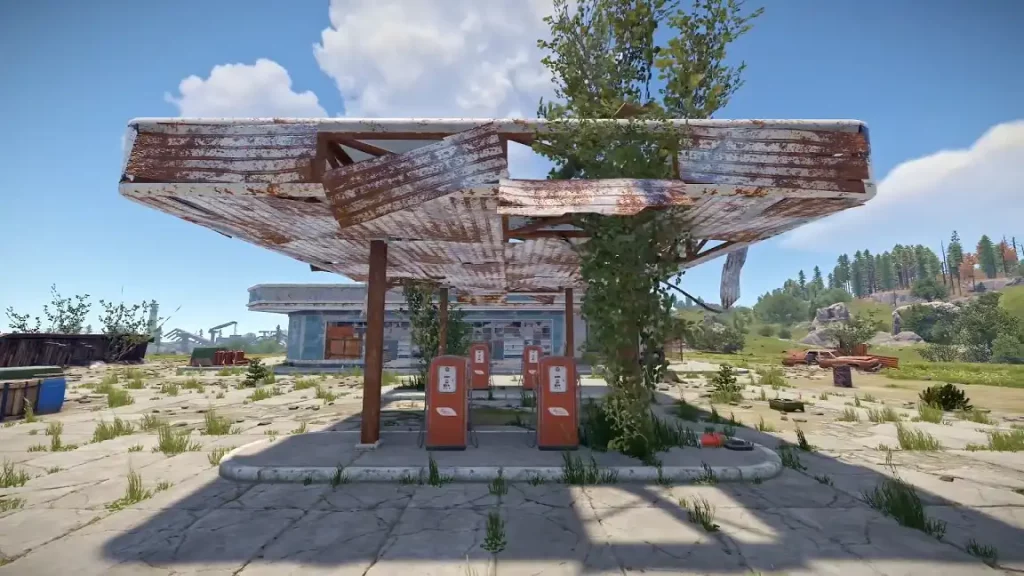
The physical landscape of the Luxembourgish-French border serves as a stark reminder of how European integration has transformed historical demarcations into functional zones of commerce. While the iron barriers that once restricted movement across the border between Luxembourg and France are now largely corroded or abandoned, the boundary is increasingly defined by the proliferation of gas stations and retail hubs that cater to a high volume of cross-border commuters.
According to data from the National Institute of Statistics and Economic Studies (STATEC), approximately 230,000 people commute into Luxembourg from neighboring countries daily, with a significant portion of this workforce arriving from France. This demographic shift has turned the border region into an economic corridor, where the infrastructure of the European Union’s Schengen Area allows for the seamless transit of labor, while the tax and price differentials between nations dictate the location of service-oriented businesses.
Economic Drivers of the Border Corridor
The transformation of the border from a site of security to a site of commerce is primarily driven by the “fuel tourism” phenomenon. The price of motor fuel in Luxembourg is historically lower than in neighboring France, a disparity maintained through national excise policies. As reported by the Luxembourg Government, these excise duties are subject to periodic adjustments to balance environmental goals with the economic necessity of maintaining competitive retail pricing for commuters.
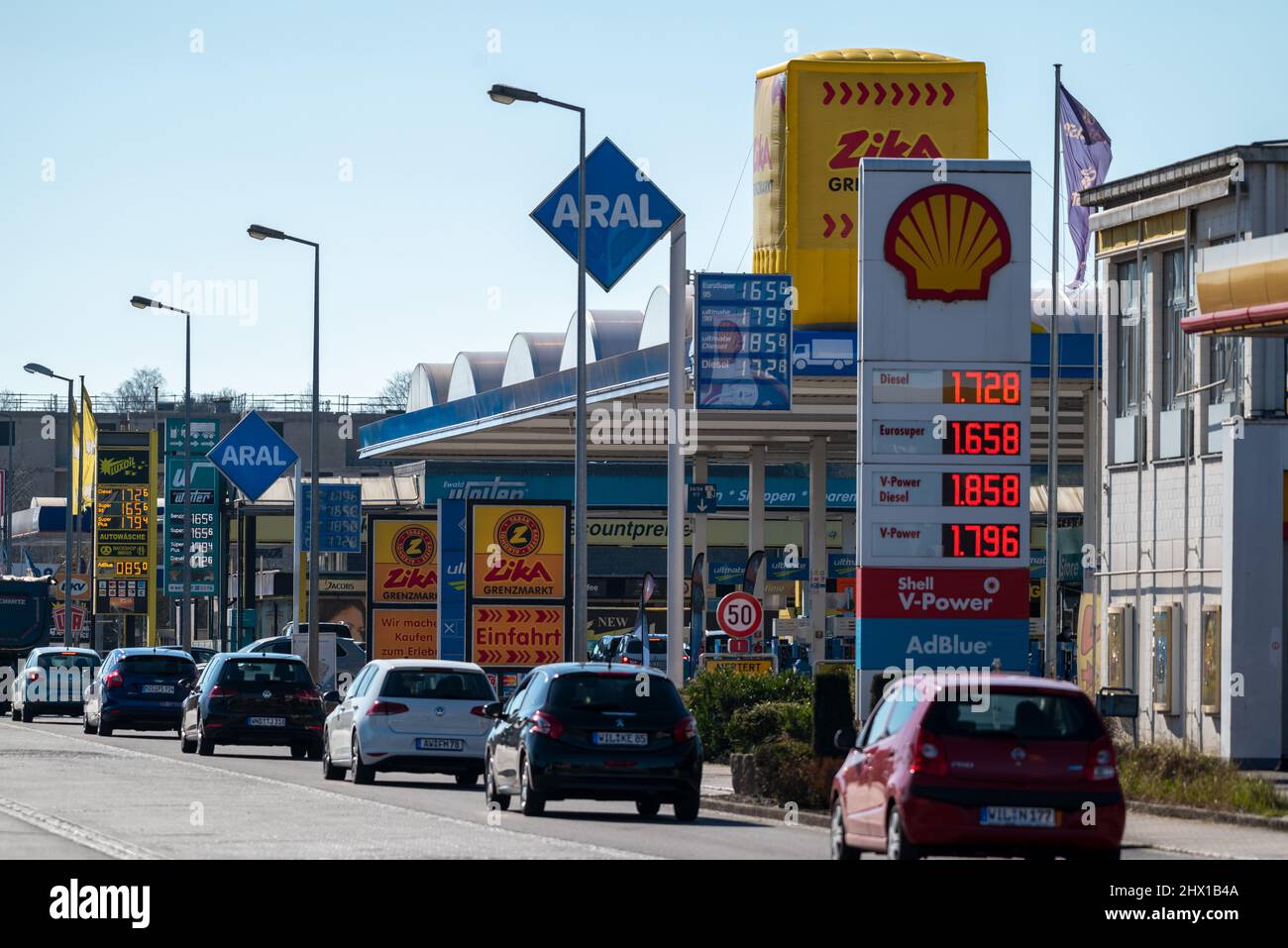
This policy environment has resulted in a dense cluster of service stations at major entry points, such as the A3 motorway connecting Metz to Luxembourg City. For residents and commuters, these locations are not merely transit points but essential stops that account for a significant share of the retail sector’s revenue in the southern border municipalities. The physical infrastructure of the border—once marked by customs houses—has been repurposed or replaced by these high-capacity fueling stations, which effectively act as the modern-day indicators of where one national jurisdiction ends and another begins.
The Evolution of Infrastructure
Beyond the economic aspect, the visual decay of historical border infrastructure offers a glimpse into the progress of the Schengen Agreement. The iron barriers and former checkpoints that once required passport control are now frequently seen in states of disrepair, serving as industrial relics of a pre-integration era. The Schengen Agreement, which effectively abolished internal border controls, has allowed these structures to fade into the landscape, often obscured by the modern signage of commercial developments.

However, the absence of physical border controls does not equate to a lack of administrative oversight. Local authorities in regions like Esch-sur-Alzette and the French border towns maintain close cooperation regarding cross-border urban planning. The Greater Region (Grande Région), a collaborative political entity, facilitates communication between these municipalities to manage the logistical challenges posed by the massive daily influx of workers, including the expansion of public transport links to reduce reliance on private vehicles.
Impact on Local Communities
The daily mobility patterns across the border have profound implications for local communities. While the retail and fuel sectors benefit from the constant flow of traffic, the surrounding infrastructure faces persistent pressure. Traffic congestion during peak hours remains a primary concern for local governments, as the volume of vehicles exceeds the capacity of many regional roads originally designed for smaller populations.
Efforts to mitigate these impacts are ongoing. The Ministry of Mobility and Public Works has prioritized the development of cross-border rail connections and dedicated bus lanes to encourage a shift away from individual car usage. Despite these efforts, the car remains the dominant mode of transport for the majority of the cross-border workforce, ensuring that the gas stations along the border remain the defining features of the regional map.
Future Developments and Policy Outlook
The long-term viability of this border-based economic model is currently subject to evolving European climate policies. As the European Union continues to implement the European Green Deal, the focus on decarbonization and the potential for harmonized fuel taxes could eventually alter the landscape that currently supports the border’s retail hubs. Future policy discussions are expected to center on how border regions can transition their economies while maintaining the mobility levels necessary for the workforce.

The next major checkpoint for these developments will be the upcoming regional planning reviews scheduled for the next fiscal year, where local authorities will assess the impact of new public transit infrastructure on border traffic volumes. Readers interested in the latest updates on cross-border mobility and economic policies are encouraged to monitor the official portals of the Grand Duchy of Luxembourg. We invite our readers to share their experiences regarding cross-border commuting and the evolution of the border landscape in the comments section below.
Keep reading