Navigating the World of *Where Winds Meet*: A Guide to Interactive Maps and Exploration
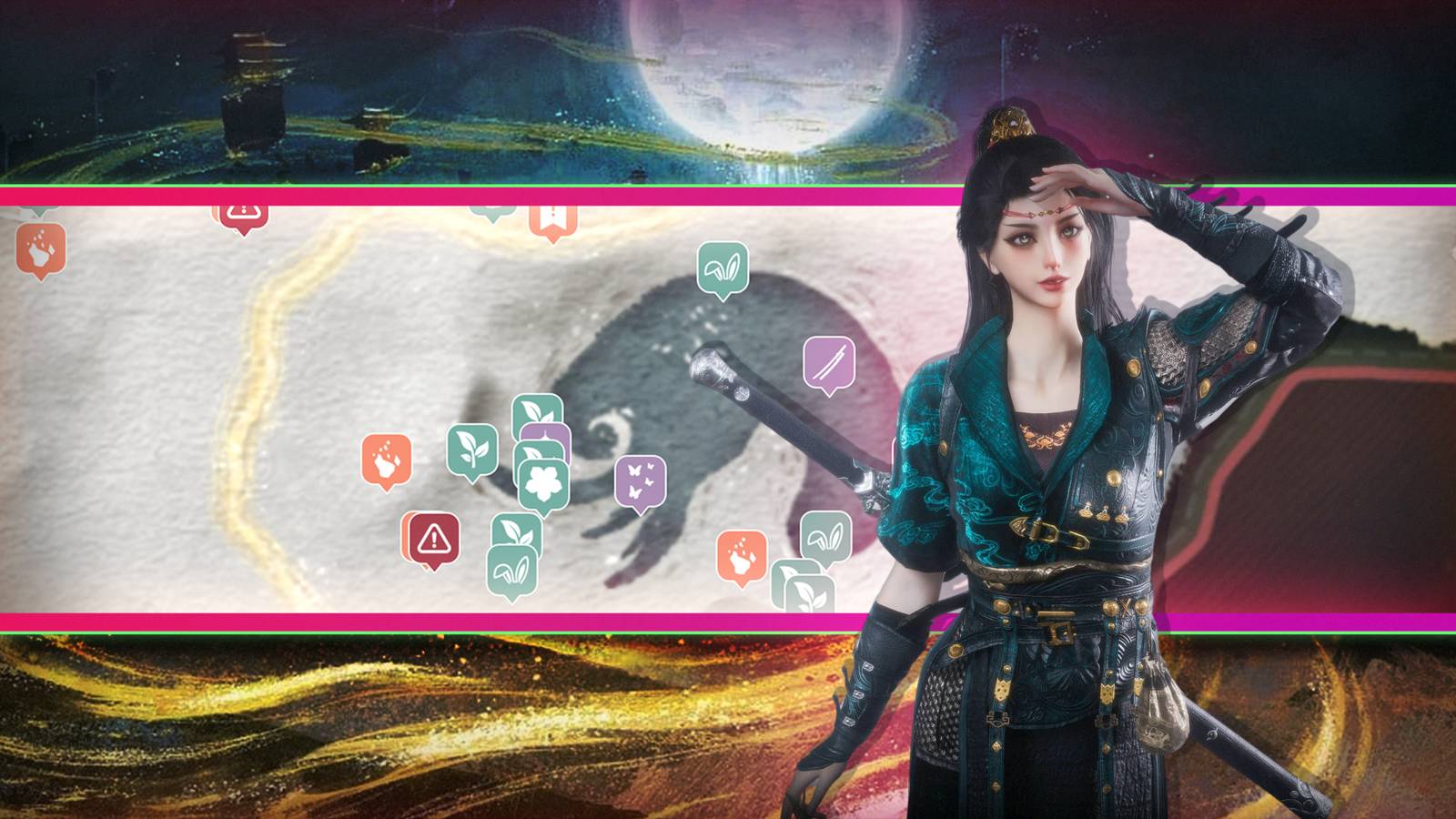
The immersive world of *Where Winds Meet*, a recently released open-world RPG set in a fictionalized tenth-century China, is captivating players with its rich landscapes and intricate gameplay. Beyond the central narrative, the game encourages exploration, rewarding players with resources, challenges, and a deeper understanding of its lore. A key component to successful navigation and discovery within this vast environment is utilizing the game’s interactive maps, which pinpoint crucial locations like Boundary Stones, outposts, and hidden treasures. These maps aren’t merely static guides; they are dynamic tools that evolve as players uncover more of the world, offering a compelling blend of adventure and strategic planning.
For those eager to delve into the game’s expansive regions, understanding the function and availability of these interactive maps is paramount. Players can unlock map details for each area by obtaining them from Wayfarers, characters encountered throughout the game world. Once a map is acquired, the locations of Boundary Stones – essential for fast travel – are revealed, alongside other points of interest. This system encourages players to actively engage with the world and its inhabitants, rather than simply following a linear path. The ability to quickly traverse the landscape using Boundary Stones is a significant advantage, allowing players to efficiently manage quests, gather resources, and prepare for challenging encounters.
Understanding Boundary Stones and Their Importance
Boundary Stones are arguably the most important landmarks in *Where Winds Meet*. Identified by swords embedded in the ground next to inscribed stones, these act as fast travel points, dramatically reducing travel time across the game’s sprawling map. Map Genie provides a comprehensive list of all Boundary Stone locations, detailing their placement within various regions. Activating a Boundary Stone not only unlocks its fast travel functionality but also contributes to a player’s exploration progress and regional reputation, adding an extra layer of incentive to seek them out. According to the Where Winds Meet Wiki, stones appear as gray icons on the map until activated, becoming golden once discovered and interacted with.
The game world is divided into several key regions, each offering unique challenges and rewards. Some of the prominent areas include Qinghe, Kaifeng, Hexi, and Mistveil Forest. Within these regions, players will encounter a variety of locations, from bustling cities like Kaifeng to remote villages and ancient ruins. The interactive maps are essential for navigating these diverse environments, helping players locate specific resources, uncover hidden quests, and prepare for potential dangers. The maps also highlight the locations of Granaries of Plenty, a common feature across many regions, serving as resource hubs for players.
Beyond Boundary Stones: Discovering Other Points of Interest
While Boundary Stones are crucial for efficient travel, *Where Winds Meet* offers a wealth of other activities and locations to discover. Chests, scattered throughout the map, contain valuable resources such as experience points, unique currency, and crafting materials. Outposts, fortified locations controlled by enemies, present challenging combat encounters with the promise of rare treasures. For players seeking a true test of skill, world boss fights offer epic battles against formidable opponents. The game also features a dynamic population of Non-Player Characters (NPCs) with whom players can interact, shops offering a variety of goods, and opportunities to learn new martial arts techniques and undertake bounties.
The interactive maps extend beyond simply marking locations; they also provide context and information about each point of interest. Players can often find details about the types of resources available in a particular area, the level of enemies encountered in an outpost, or the rewards offered for completing a bounty. This information allows players to make informed decisions about where to focus their efforts, maximizing their efficiency and minimizing wasted time. The maps are constantly updated as players explore, revealing new locations and opportunities as they progress through the game.
Regional Breakdown: Key Locations and Interactive Map Resources
The game’s regions each present unique challenges and opportunities for exploration. Here’s a brief overview of some key locations and how the interactive maps can aid in discovery:
- Qinghe: This region features locations like South Gracetown and Desperation Ridge, both marked on the interactive maps as containing Granaries of Plenty.
- Kaifeng: A major city in the game, Kaifeng boasts numerous points of interest, including Wheatwind Bazaar, the Imperial Works Bureau, and the Palace of Supreme Oneness. The interactive maps are invaluable for navigating the city’s complex streets and locating specific shops or quest givers.
- Hexi: This region includes locations like Dreamfall Cliff and the Secret Edict Chamber, offering unique challenges and rewards for intrepid explorers.
- Mistveil Forest: Players can find Central Mistveil Forest, East Mistveil Forest, and Crosswind Bazaar within this region, all highlighted on the interactive maps.
Resources like Game8 and Map Genie provide detailed interactive maps that allow players to zoom in on specific regions, filter points of interest, and track their progress. These maps are constantly updated by the community, ensuring that players have access to the most accurate and up-to-date information.
Utilizing Interactive Maps for Optimal Gameplay
Effectively utilizing the interactive maps in *Where Winds Meet* can significantly enhance the gameplay experience. Players should prioritize unlocking maps for each region by seeking out Wayfarers and engaging in dialogue. Once a map is obtained, players should systematically explore the marked locations, activating Boundary Stones to establish fast travel routes and collecting resources from chests. Paying attention to the details provided on the maps, such as enemy levels and resource types, can help players prepare for challenges and maximize their rewards.
the interactive maps can be used to plan efficient routes for completing quests and bounties. By identifying the locations of key NPCs and objectives, players can minimize travel time and focus on completing tasks. The maps also serve as a valuable tool for discovering hidden secrets and uncovering the rich lore of the game world. Regularly checking the maps for updates and new discoveries is essential for staying ahead of the curve and maximizing the enjoyment of *Where Winds Meet*.
As the game continues to evolve, with potential updates and expansions on the horizon, the interactive maps will undoubtedly remain a crucial resource for players seeking to fully explore and master the world of *Where Winds Meet*. The developers are expected to continue adding new content and features, further enhancing the game’s replayability and appeal to a wide audience.
The developers have not yet announced a specific date for the next major content update, but players can stay informed by following the official *Where Winds Meet* channels and community forums. Keep checking back for further updates and guides as we continue to explore the captivating world of this new RPG. What are your favorite discoveries in *Where Winds Meet*? Share your experiences and tips in the comments below!
Worth a look