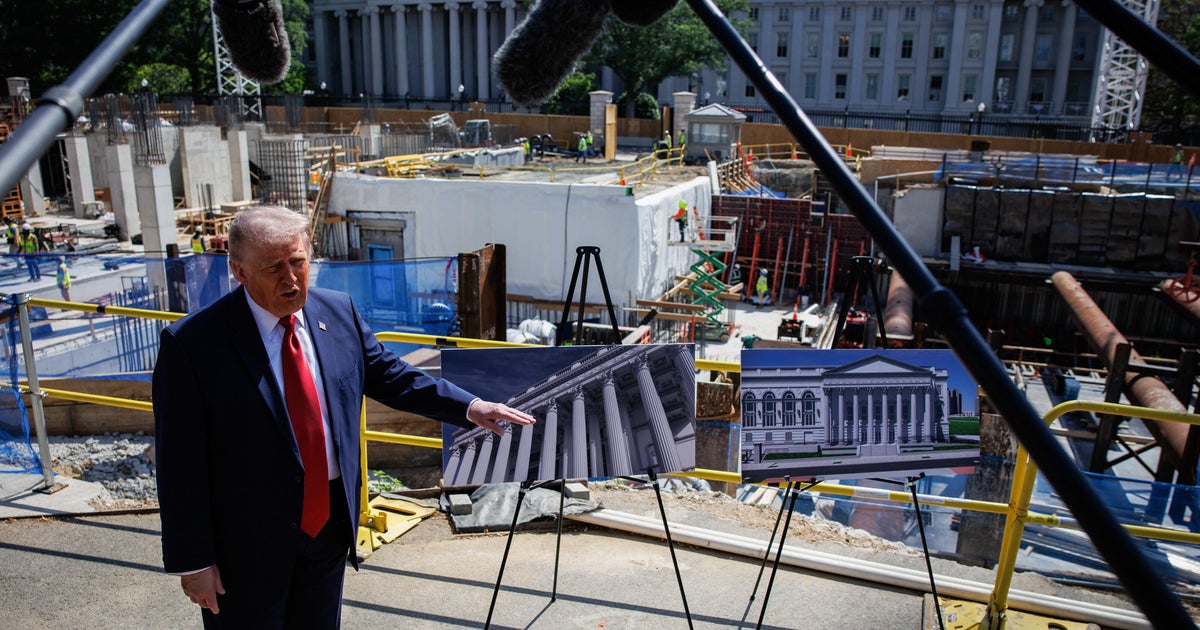
The United States Department of Justice has formally petitioned the federal courts to lift an existing injunction currently halting construction on a ballroom project at the White House. This legal maneuver, filed in the wake of a recent security incident involving gunfire on the executive grounds, marks a significant escalation in the administration’s efforts to move forward with the site’s structural modifications. The filing asserts that the proposed construction is essential to enhancing the security infrastructure necessary to protect the President and staff, a claim that has sparked immediate debate regarding the intersection of executive authority and judicial oversight.
According to official Department of Justice records, the motion requests that the court reconsider the stay on construction, explicitly citing the weekend shooting incident as a catalyst for the urgency of the project. The government argues that the ballroom renovation is not merely an aesthetic or functional upgrade but a vital component of the Secret Service’s evolving security strategy. As the legal battle unfolds, the administration maintains that the current pause on development leaves the White House vulnerable, a sentiment that has been formally articulated in recent court submissions, as documented by the U.S. Department of Justice official portal.
Legal Arguments for Resuming Construction
The government’s primary argument hinges on the assertion that modern security threats necessitate rapid changes to the White House footprint. By linking the recent security breach to the need for the ballroom, the Department of Justice is attempting to demonstrate a direct nexus between the stalled construction and the protection of the federal executive. This strategy involves navigating complex administrative law, as the court must weigh the government’s security claims against the original reasons for the injunction, which had previously cited concerns over planning, historic preservation, or regulatory compliance.

In legal filings, the government has emphasized that the Secret Service requires the proposed facility to better manage access and secure the perimeter during events. The Department of Justice continues to oversee the enforcement of federal law and the protection of government facilities, as part of its core mission to maintain national safety, according to information provided by USAGov. The motion serves as a test of the administration’s ability to override previous judicial roadblocks by invoking national security exigencies.
Security Concerns and Executive Oversight
The incident that triggered this latest filing has brought fresh scrutiny to the security protocols surrounding the White House. While the specific details of the shooting are subject to ongoing investigations, the DOJ’s decision to leverage the event in court highlights the administration’s determination to complete the ballroom project. This approach reflects a broader trend of the executive branch utilizing high-profile security concerns to expedite infrastructure projects that have faced significant legal or public pushback.
For observers of the American legal system, the case serves as a reminder of the tension between the judiciary’s role in checking executive power and the executive branch’s duty to ensure the safety of the head of state. The Department of Justice, which maintains a commitment to impartiality and the rule of law, is now tasked with persuading a federal judge that the urgency of the ballroom project outweighs the legal concerns that originally halted the work. The department’s stated values include transparency and ethical behavior in all public service endeavors, as outlined in their official organizational mandate.
What Happens Next
The court is now expected to review the government’s request, with both sides likely to file supplementary briefs addressing the impact of the recent shooting on the merits of the injunction. No date has been set for a final ruling on whether the construction will be allowed to proceed, though the filing has ensured that the project remains at the forefront of national political discourse. Interested parties and the public can monitor the progress of this litigation through the official court dockets and subsequent announcements from the Department of Justice.

As this story develops, further details regarding the scope of the construction and the specific security benefits cited by the government will likely emerge during court proceedings. We will continue to track these developments closely, ensuring that our coverage remains grounded in the facts presented in official filings. We invite our readers to share their perspectives on the balance between executive security requirements and judicial oversight in the comments section below.
Worth a look