Escalating Tensions: Trump Management Responds to Charlie Kirk‘s death with Calls for Crackdown on Left-Wing Groups
The recent tragic death of conservative activist Charlie Kirk has ignited a firestorm of political rhetoric, with the Trump administration vowing to aggressively target organizations they allege fund and incite violence against conservatives. While investigators continue to determine the full motive behind the killing - Utah Governor Spencer Cox has indicated the suspect held “leftist ideology” and acted alone – the administration is seizing on the event to escalate existing tensions and pursue a broad reclassification of left-wing activism as domestic terrorism. This response has drawn sharp criticism from legal experts and civil liberties advocates who fear a potential overreach of government power and a chilling effect on legitimate dissent.
Immediate Aftermath and Unsubstantiated Claims
Following the news of Kirk’s death, the White House and key allies swiftly moved to connect the tragedy to a wider, purportedly coordinated network of left-wing groups. Despite a lack of concrete evidence demonstrating the existence of such a network, officials publicly suggested Kirk was a victim of a deliberate, organized campaign of violence against conservatives. This narrative arrives amidst a backdrop of increasing political polarization and documented instances of violence across the political spectrum, impacting both democrats and Republicans.
The administration’s response isn’t simply a call for justice; it’s a proactive plan to redefine and aggressively pursue what they deem ”domestic terrorism,” raising concerns about the potential for politically motivated targeting.
Internal planning: Categorizing Dissent as Terrorism
According to two senior administration officials speaking on background, Cabinet secretaries and federal department heads are actively working to identify organizations that provide financial support or perceived encouragement to individuals engaging in violence against conservatives. The stated goal is to categorize certain left-wing activities as domestic terrorism – a meaningful escalation that critics warn could be used to suppress legitimate political opposition.
This move represents a substantial shift in approach, moving beyond investigating individual acts of violence to proactively labeling entire groups as potential threats based on their political affiliations and funding sources. The implications for free speech and assembly are considerable.
Leveraging Media Platforms to Announce Plans
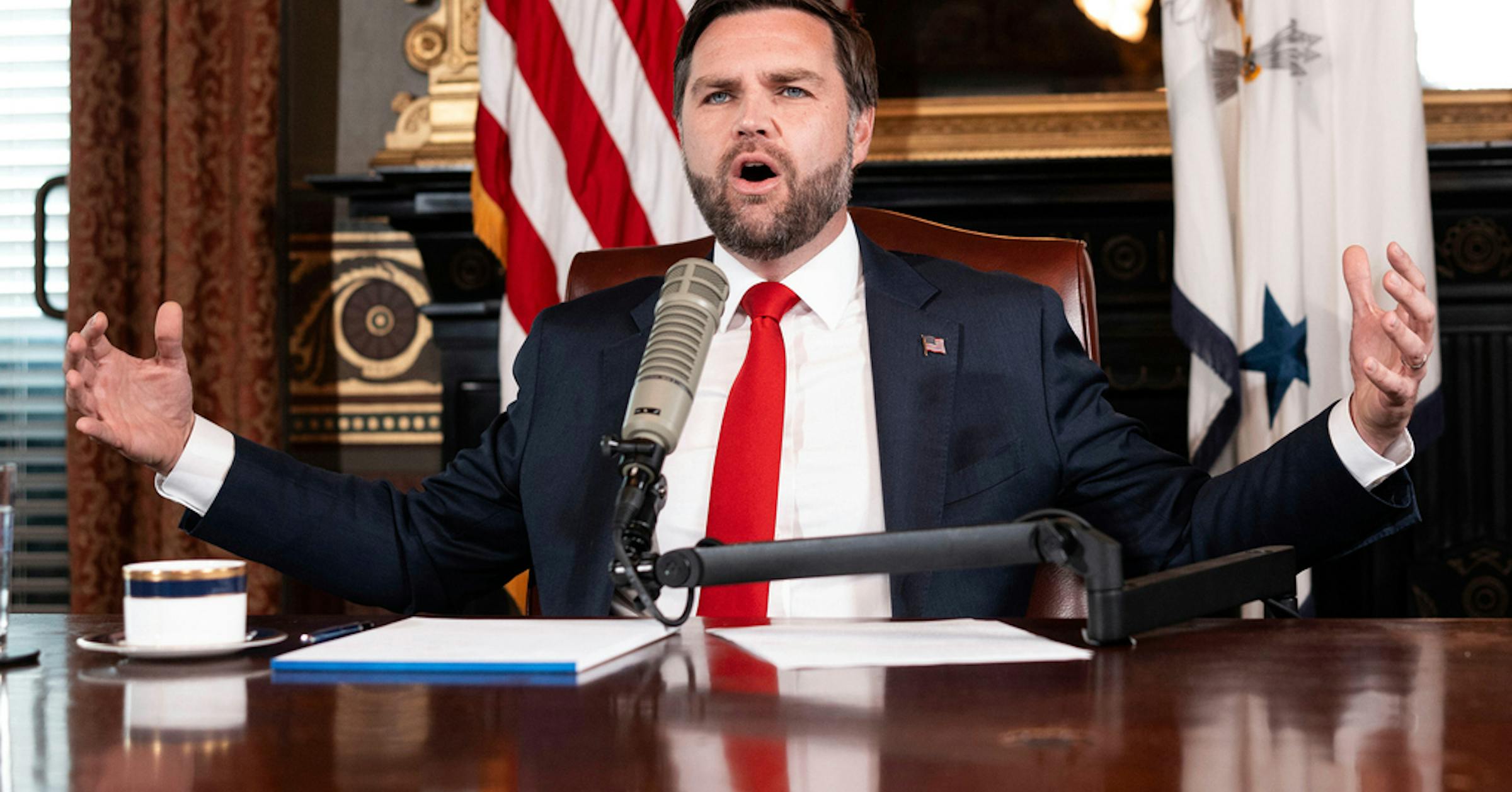
Remarkably, the administration chose to unveil these plans on Kirk’s own podcast, “The Charlie Kirk Show.” Vice President JD Vance guest-hosted the program, utilizing the platform to invite senior advisors, including Stephen Miller, President Trump’s top policy advisor, to both eulogize Kirk and detail the impending crackdown. The podcast was broadcast throughout the White House, including the briefing room and West Wing offices, signaling the administration’s commitment to publicly framing the narrative.
During the broadcast, Vance and Miller spoke in deliberately ambiguous and threatening terms about “far-left groups” they accused of facilitating violence. Miller specifically announced a forthcoming “formal effort” involving federal agencies to dismantle what he termed a “domestic terror movement,” explicitly framing the initiative as a tribute to Kirk.
concerns Over Due Process and Civil Liberties
The administration’s response has sparked widespread concern among legal scholars and civil rights organizations. The lack of specific evidence linking Kirk’s death to a broader network, coupled with the vague language used by officials, raises serious questions about due process and the potential for abuse.
“The danger here is that the administration is conflating political disagreement with violence,” explains constitutional law expert Eleanor vance (no relation to the Vice President). “Labeling groups as ‘domestic terrorists’ without a clear legal basis and due process protections can have a devastating impact on their ability to operate and advocate for their beliefs.”
Moreover, critics argue that the administration’s actions could set a perilous precedent, normalizing the use of national security tools to suppress political dissent. The broad definition of “domestic terrorism” being contemplated could encompass a wide range of activities, including peaceful protests and advocacy efforts.
evergreen section: The History of Domestic Terrorism Definitions & Political Responses
The concept of “domestic terrorism” is not new. Throughout American history, governments have grappled with defining and responding to politically motivated violence. From the Ku Klux Klan in the Reconstruction era to the Weather Underground in the 1970s, various groups have been labeled as terrorist organizations. However, the application of this label has often been controversial, raising questions about the balance between national security and civil liberties. Historically, responses have ranged from targeted law enforcement investigations to broader legislative efforts aimed at curbing extremist activity. The current situation highlights the ongoing challenge of defining domestic terrorism in a way that is both effective and constitutionally sound. Understanding this ancient context is crucial for evaluating the potential consequences of the trump administration’s proposed actions.
FAQ: Understanding the Current Situation
1. what is considered “domestic terrorism” under current US law? While there
Related reading