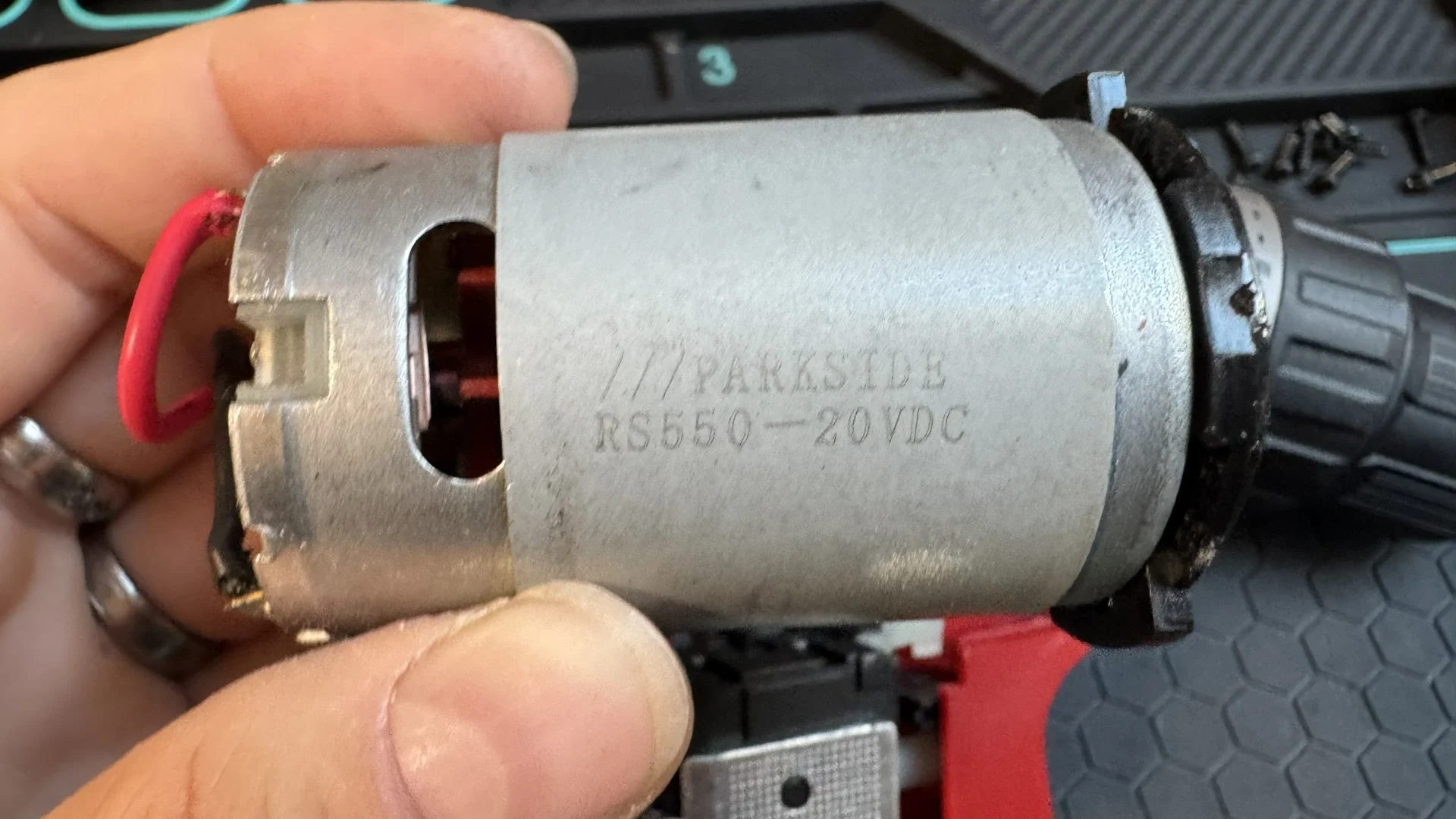
Parkside tools are a private label brand owned and marketed by the German discount supermarket chain Lidl, which sources the products from various third-party Original Equipment Manufacturers (OEMs) globally rather than producing them in its own factories. This business model allows Lidl to sell power tools and accessories at lower price points by eliminating the overhead of owning manufacturing plants and leveraging its massive procurement scale.
The perception that Parkside tools are manufactured in Germany or Austria is a common misconception among consumers, though the brand is managed by Lidl International, headquartered in Neckarsulm, Germany. According to industry supply chain data, the majority of Parkside’s hardware production occurs in China, where specialized factories produce tools to Lidl’s specific design and quality requirements.
This sourcing strategy is standard for “white label” or private label brands. Lidl provides the technical specifications and quality benchmarks, while the OEM handles the physical production. This separation of brand ownership and manufacturing is why the company does not list a single “factory” as the manufacturer, as different product lines—ranging from cordless drills to garden machinery—may be produced by different suppliers depending on the technical expertise required.
Who actually manufactures Parkside tools?
Lidl does not publicly disclose the names of its individual contract manufacturers for the Parkside line. This is a common proprietary practice in the retail industry to prevent competitors from identifying their supply chains and to maintain leverage during contract negotiations. However, the “manufacturer” in a legal and corporate sense is Lidl, as they hold the brand rights and are responsible for the product’s safety and compliance with European Union standards.
The production process typically follows an OEM (Original Equipment Manufacturer) model. In this arrangement, a factory in Asia or Eastern Europe produces a tool based on a design provided by Lidl or a modified version of an existing factory design. The factory then applies the Parkside branding. This explains why some users on DIY forums notice similarities between Parkside tools and other budget-friendly brands; several brands often share the same OEM factories in industrial hubs like Guangdong, China.
While there is persistent speculation in online communities that Parkside tools are “rebadged” versions of professional brands like Einhell or Bosch, no official corporate partnership or manufacturing agreement has been confirmed by these companies. Most evidence for these claims is anecdotal, based on users comparing internal components or chassis designs.
The business logic behind the private label model
Lidl’s decision to use a private label strategy for Parkside is rooted in cost efficiency. By outsourcing production, Lidl avoids the immense capital expenditure required to build and maintain factories, manage a manufacturing workforce, and handle raw material logistics. Instead, they focus on logistics, marketing, and retail distribution.
This model allows for a “fast fashion” approach to hardware. Lidl can quickly rotate its inventory, introducing new tool sets or specialized accessories based on seasonal demand (such as snow blowers in winter or lawnmowers in spring) without needing to retool an entire factory. According to Lidl’s official corporate information, the company emphasizes a lean supply chain to maintain its competitive pricing structure.
The scale of Lidl’s operations also gives them significant bargaining power. Because they order tools in volumes that few independent hardware stores could match, they can demand lower per-unit costs from OEMs. This allows them to offer features—such as brushless motors or lithium-ion battery technology—at prices that often undercut established brand-name competitors.
Quality control and European standards
Despite the outsourced nature of the production, Parkside tools must adhere to strict European safety and quality regulations. Because Lidl is a German company selling in the European Single Market, every Parkside product must carry the CE mark, indicating it meets EU health, safety, and environmental protection standards.

Lidl manages quality through rigorous auditing of its suppliers. The company employs quality assurance teams that inspect factories and perform batch testing on products before they reach store shelves. This oversight is a critical part of the brand’s value proposition; while the tools are inexpensive, the warranty provided by Lidl acts as a guarantee of a baseline quality level.
The warranty period for Parkside tools, which often extends to three years for many products, is handled by Lidl’s own customer service infrastructure rather than the anonymous factory that built the tool. This ensures that the consumer has a clear point of contact for repairs or replacements, regardless of where the tool was physically assembled.
Why the origin of Parkside tools causes debate
The debate regarding the “real” manufacturer often stems from a gap between consumer expectations and the reality of globalized manufacturing. Many buyers associate the “German” branding of Lidl with “German engineering,” assuming the tools are made in Germany. When users discover the tools are produced by third-party OEMs in Asia, it can lead to feelings of disappointment or distrust.
However, this is a reality for the vast majority of modern electronics and power tools. Even premium brands often outsource significant portions of their assembly to China or Vietnam. The difference lies in the level of proprietary technology and the price premium charged for the brand name. Parkside’s “disruption” of the market comes from offering “good enough” quality for the average DIY user without the brand-name markup.
For the professional tradesperson, these tools may lack the durability of industrial-grade equipment. But for the “home tinkerer” (or *kutily* in Czech), the balance of price and performance makes the specific factory location a secondary concern to the actual utility of the tool.
Comparing private label vs. brand-name tools
To understand where Parkside fits in the market, it is helpful to compare the private label model with the traditional brand model used by companies like Makita or DeWalt.
- Research and Development: Brand-name companies invest heavily in their own R&D and hold numerous patents. Private labels like Parkside typically use existing, proven technologies and refine them for the consumer market.
- Pricing: Brand-name tools include the cost of global marketing, professional sponsorships, and specialized dealer networks. Parkside eliminates these costs, selling directly through Lidl supermarkets.
- Distribution: Professional tools are sold through specialized hardware stores with expert staff. Parkside is sold as “special buy” items, appearing in stores for limited windows, which creates a sense of urgency and high turnover.
- Target Audience: Professional brands target contractors who use tools eight hours a day. Parkside targets the residential consumer who may use a drill a few times a month.
What happens next for the Parkside ecosystem?
Lidl is currently expanding the Parkside ecosystem by unifying battery platforms. By ensuring that one battery fits a wide range of tools—from vacuums to hedge trimmers—they create “brand lock-in.” Once a consumer owns several Parkside batteries, they are more likely to purchase additional Parkside tools rather than switching to a competitor.

Industry analysts expect Lidl to continue diversifying its OEM base to mitigate risks associated with supply chain disruptions in any single region. As trade tensions and shipping costs fluctuate, the company may look to “near-shore” some production to Eastern Europe or Turkey to reduce lead times and logistics costs.
For consumers, the focus will likely remain on the balance of price and performance. As long as Lidl maintains its quality audits and honor its warranties, the identity of the specific factory producing the tools is unlikely to impact the brand’s growth in the global DIY market.
Further updates on Lidl’s procurement policies or changes to the Parkside product line are typically released through the company’s annual corporate reports or official press releases on the Lidl “About Us” page.
Do you use Parkside tools for professional work or home projects? Share your experiences in the comments below.