
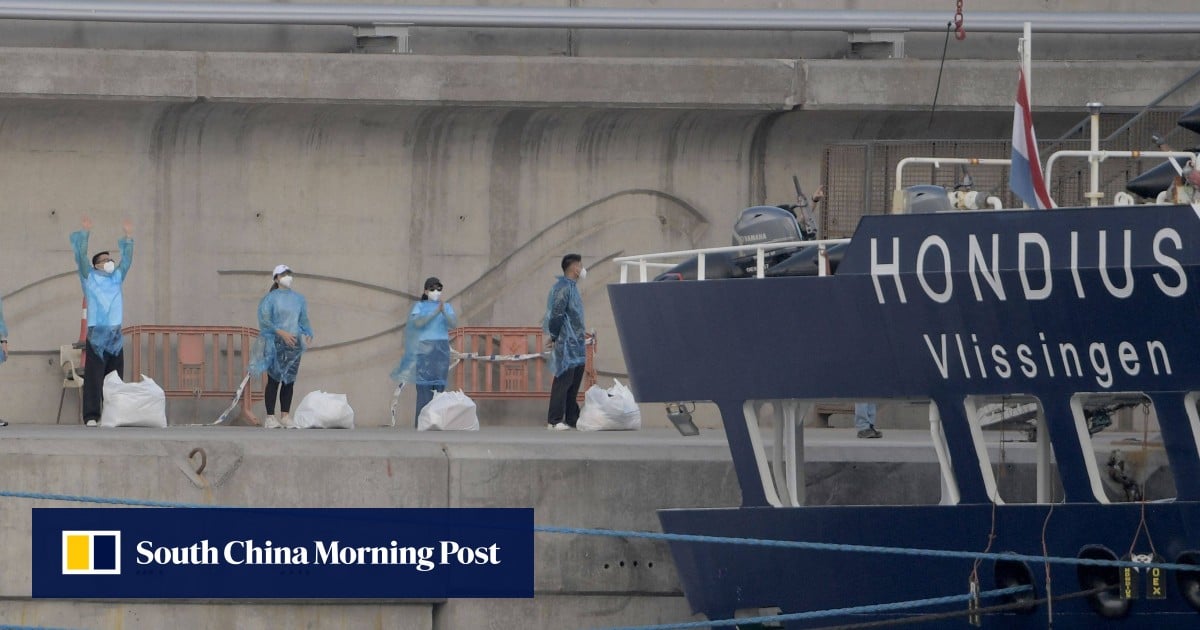
The World Health Organization (WHO) has officially declared the end of a hantavirus outbreak linked to the cruise ship MV Hondius, marking the conclusion of a public health event that resulted in 12 confirmed cases, one probable case, and three deaths. The announcement followed the release of the final individual from quarantine, signaling that the immediate transmission risk associated with the vessel has been contained, according to the World Health Organization’s public health monitoring protocols.
The outbreak, which triggered international concern due to the unique challenges of managing infectious disease on a maritime vessel, centered on the MV Hondius. Health authorities monitored the situation closely as the ship operated under quarantine protocols to prevent the further spread of the virus. The Centers for Disease Control and Prevention (CDC) notes that hantaviruses are typically transmitted to humans through contact with the urine, droppings, or saliva of infected rodents, making the investigation into the source of the exposure a primary focus for maritime health inspectors.
Understanding the Containment Process
The conclusion of this outbreak was contingent upon the successful completion of the incubation period for all identified contacts. Public health officials confirm that the final person associated with the incident has been cleared, meaning no new cases have emerged within the necessary monitoring window, as recorded in recent WHO disease outbreak reports. The process of ending a quarantine for a vessel-linked outbreak involves rigorous contact tracing and environmental assessments to ensure that the pathogen is no longer present in the ship’s infrastructure.
While the immediate threat has been mitigated, the episode serves as a reference point for international maritime health policy. The 13 total cases—12 confirmed and one probable—highlight the speed at which respiratory or zoonotic illnesses can circulate in closed passenger environments. Maritime operators are now expected to review their rodent control and sanitation protocols in accordance with the International Health Regulations (IHR), which provide the framework for managing health emergencies on international voyages.
Scientific Investigation into the Outbreak
For researchers and epidemiologists, the closure of the quarantine period marks the transition from active containment to retrospective analysis. Experts are currently examining the transmission dynamics of this specific hantavirus strain to understand how it bypassed standard maritime safety measures. The investigation is not merely focused on the clinical outcomes but also on the environmental factors that allowed for human exposure during the voyage.
“Today, the final contact of a… [quarantine period has ended],” noted officials overseeing the operation as they shifted their focus toward long-term data collection. This phase of the work is essential for preventing future occurrences. Scientists are looking at the ship’s logs, ventilation systems, and supply chains to identify the exact point of entry for the rodent population, which is the primary vector for hantavirus. By identifying these gaps, the industry aims to strengthen its global health security posture.
What Happens Next for Maritime Health
The cruise industry and international health bodies are now focused on the implementation of updated sanitation guidance. Vessels operating in high-risk regions are being encouraged to conduct more frequent inspections of storage areas and technical spaces where rodents might seek shelter. The WHO continues to provide resources for ship operators to maintain compliance with health standards, ensuring that ships remain safe for travel.
Looking ahead, the next official update from the WHO regarding long-term epidemiological studies on this outbreak is expected in the coming quarter, as health authorities finalize their post-incident report. Stakeholders, including cruise line operators and maritime unions, are waiting for these findings to guide future safety investments. Readers interested in the latest maritime health advisories can monitor the WHO Health Topics portal for ongoing guidance and updates regarding zoonotic disease prevention on the high seas.
We welcome your thoughts on this developing story. Please feel free to share this article or join the discussion in the comments section below.