
Kevin Warsh, a former member of the Federal Reserve Board of Governors, has emerged as a central figure in discussions regarding the future direction of United States monetary policy. While market observers previously speculated that he might advocate for a more accommodative stance on interest rates, his recent public commentary and policy signaling have shifted toward an inflation-focused, hawkish perspective. This transition has prompted significant analysis among investors and economists who are attempting to reconcile his past signals with his current institutional outlook as a potential candidate for high-ranking financial oversight roles.
The evolution of Mr. Warsh’s public rhetoric highlights the complexities inherent in predicting central bank leadership shifts. According to reports from The Wall Street Journal, market participants had previously priced in the possibility of a more dovish approach to interest rate adjustments based on his prior academic and professional writings. However, recent developments indicate a recalibration of these expectations, as he has emphasized the necessity of maintaining price stability even if it requires prolonged restrictive monetary policy.
Understanding the Shift in Monetary Stance
The transition from a perceived dovish lean to an inflation-hawk position is not uncommon in the context of Federal Reserve appointments, yet it remains a critical point of focus for global market stability. A hawkish stance typically implies a preference for higher interest rates to combat inflation, a position that contrasts sharply with the potential for rate cuts that had been anticipated by some analysts earlier this year. As noted by the Federal Reserve, the primary mandate of the central bank remains the balancing of maximum employment with stable prices, a delicate task that often requires shifting strategies based on incoming macroeconomic data.
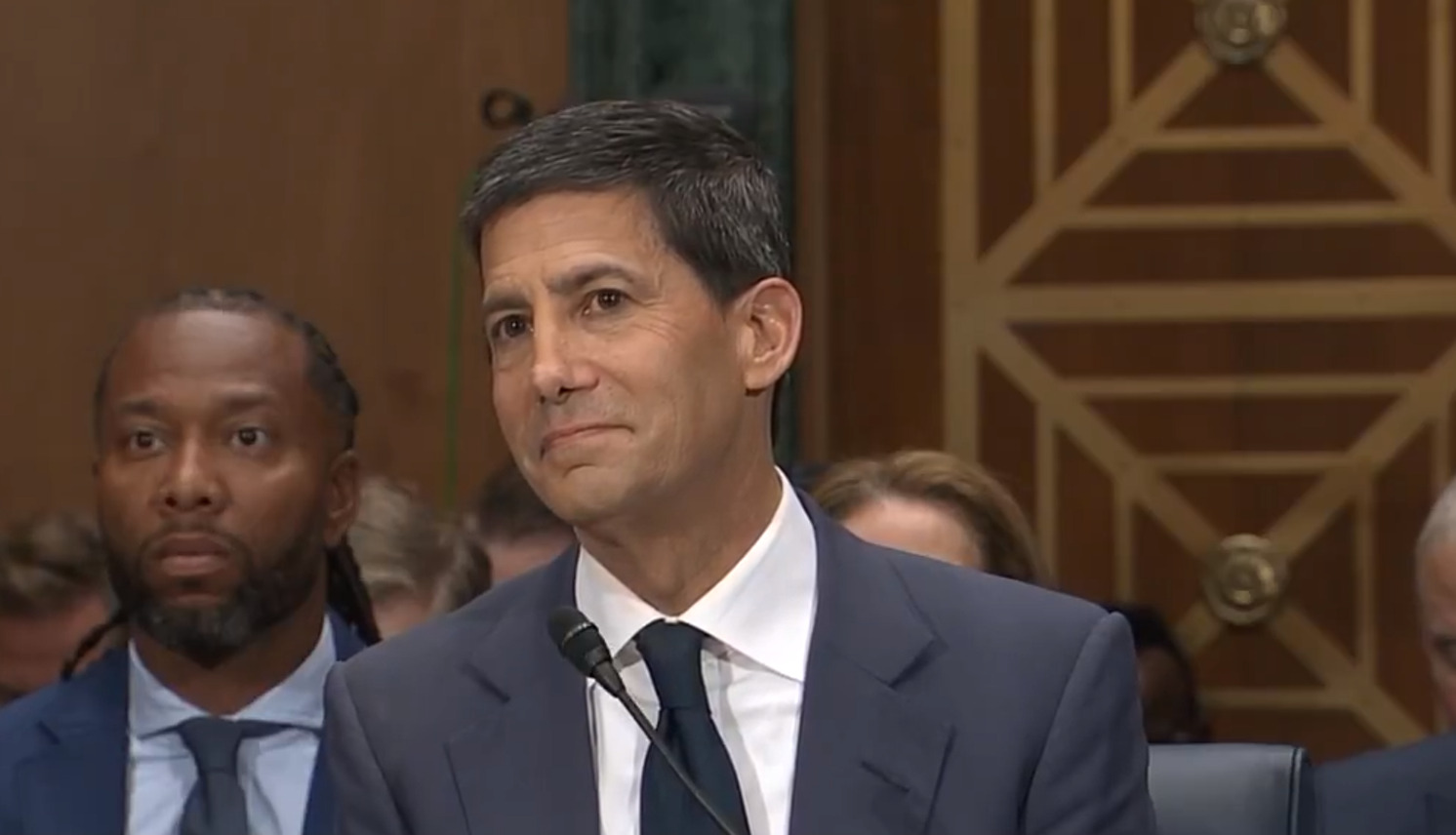
The discrepancy between earlier market sentiment and current rhetoric underscores the importance of examining the specific economic conditions that influence policy decision-making. Warsh, who served on the Board of Governors from 2006 to 2011, has frequently cited the importance of market discipline and the risks of excessive liquidity. His return to the center of policy discussions has forced a re-evaluation of how the Federal Reserve might approach upcoming meetings, particularly regarding the timing and scale of potential rate adjustments.
The Role of Institutional Experience
Kevin Warsh’s professional history provides a framework for understanding his current focus on inflation risks. Having navigated the 2008 financial crisis during his tenure at the Fed, he has long advocated for transparency and structural reforms within the banking sector. Research from the Brookings Institution suggests that his past experience informs his current skepticism regarding aggressive monetary easing, as he remains concerned about the long-term impact of central bank balance sheet expansion on asset prices and inflation expectations.

For investors and policymakers, the question is not merely one of interest rates, but of institutional philosophy. A hawkish shift suggests a commitment to preventing the entrenchment of inflationary pressures, even at the cost of short-term economic growth. This philosophy is consistent with his past publications where he argued that central banks should act as a bulwark against financial instability rather than as a primary driver of market liquidity.
Market Implications and Future Policy
Global markets remain highly sensitive to the rhetoric of potential Federal Reserve leaders, given the outsized influence of U.S. monetary policy on international capital flows. The International Monetary Fund has consistently warned that policy uncertainty in major economies can lead to increased volatility in emerging markets. As observers continue to parse Mr. Warsh’s statements, the focus has shifted toward how a more hawkish Fed might impact the value of the U.S. dollar and the cost of capital for businesses globally.
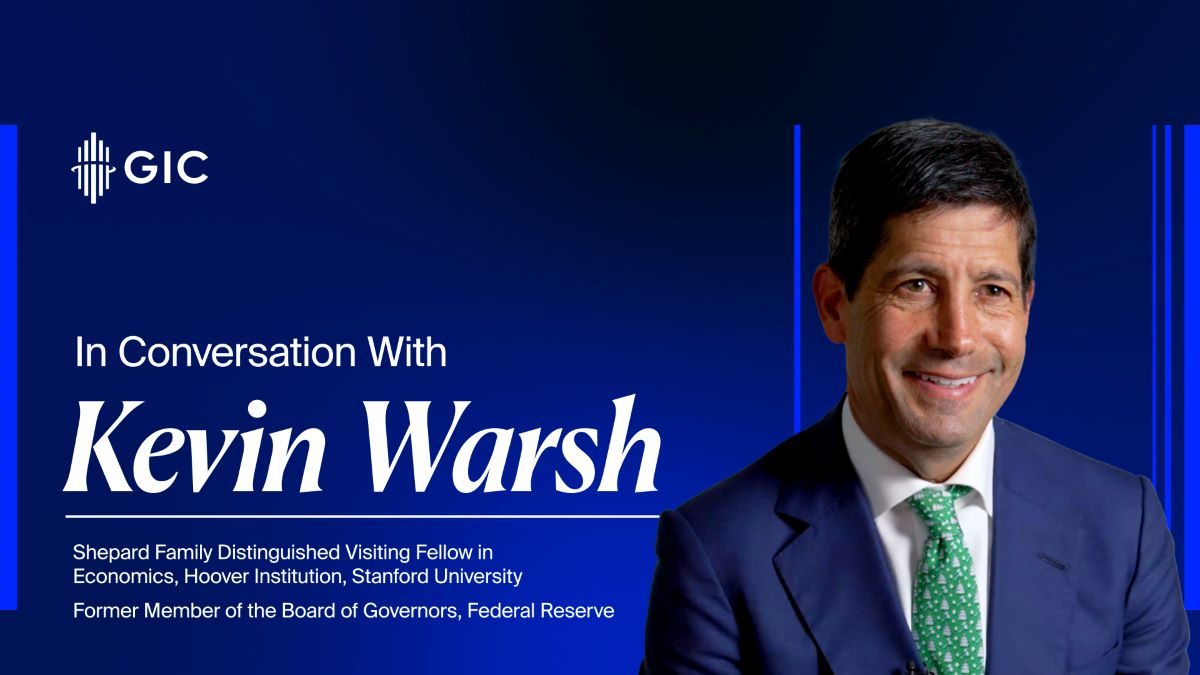
The impact of this shift is already being felt in bond market pricing, where yields have responded to the possibility of a more prolonged period of elevated interest rates. Analysts at Reuters have observed that the market is recalibrating its outlook, moving away from expectations of immediate rate cuts toward a “higher for longer” narrative that aligns with a more hawkish central bank posture.
Monitoring Upcoming Developments
The next major checkpoint for assessing the direction of Federal Reserve policy will be the upcoming Federal Open Market Committee (FOMC) meetings, where official projections and policy decisions will be finalized. Observers should look for the release of the Summary of Economic Projections, which will provide the most concrete evidence of the committee’s consensus on the path of the federal funds rate. Official updates regarding these proceedings can be tracked through the Federal Reserve’s official calendar.
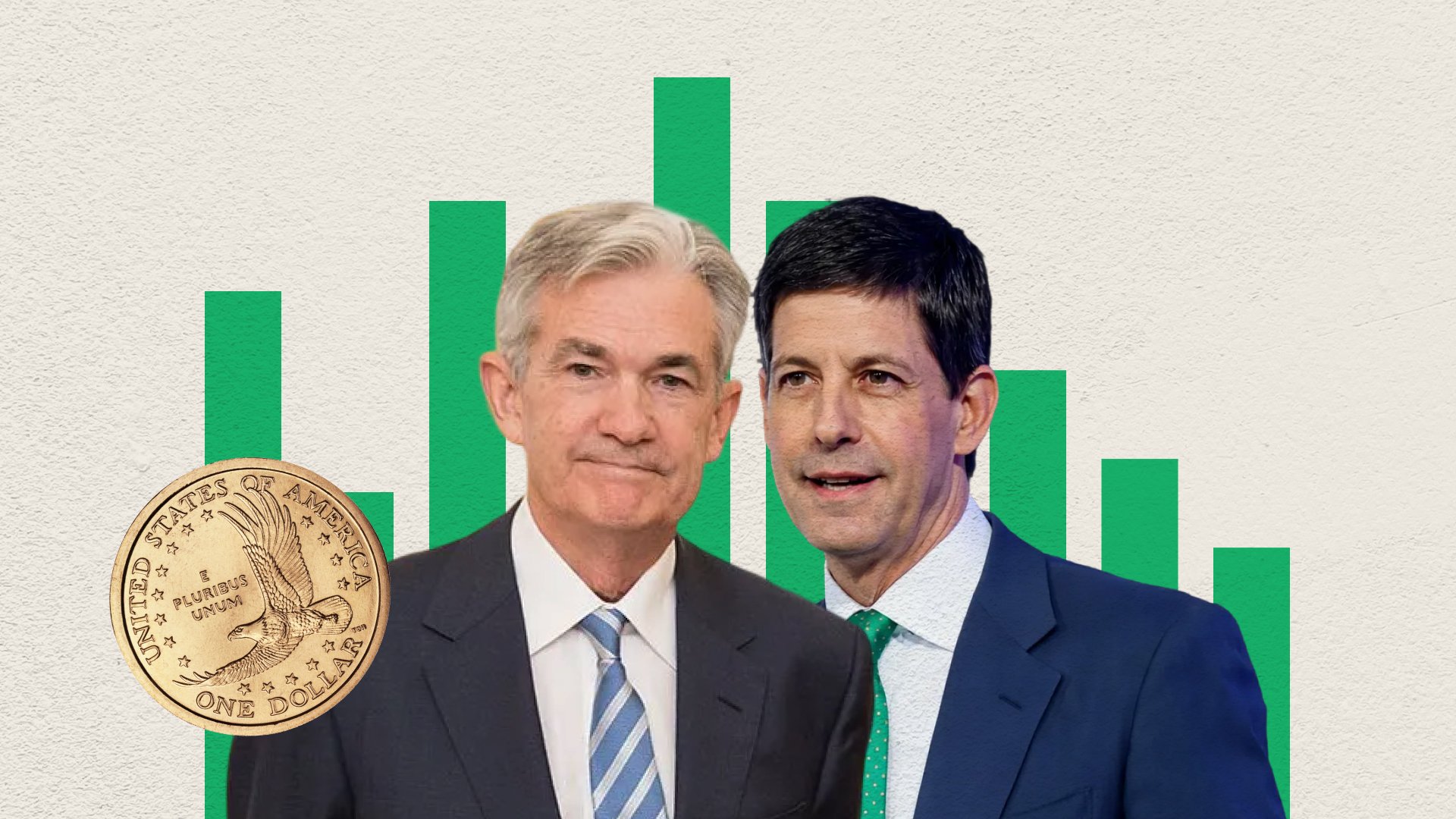
As the conversation continues to evolve, the public and market participants are encouraged to consult primary source documents and official transcripts to distinguish between speculative reporting and stated policy intent. Understanding the nuance of these positions is essential for navigating the current economic climate. We invite readers to share their analysis and insights in the comments section below as we continue to track these developments in the global financial landscape.
Keep reading