
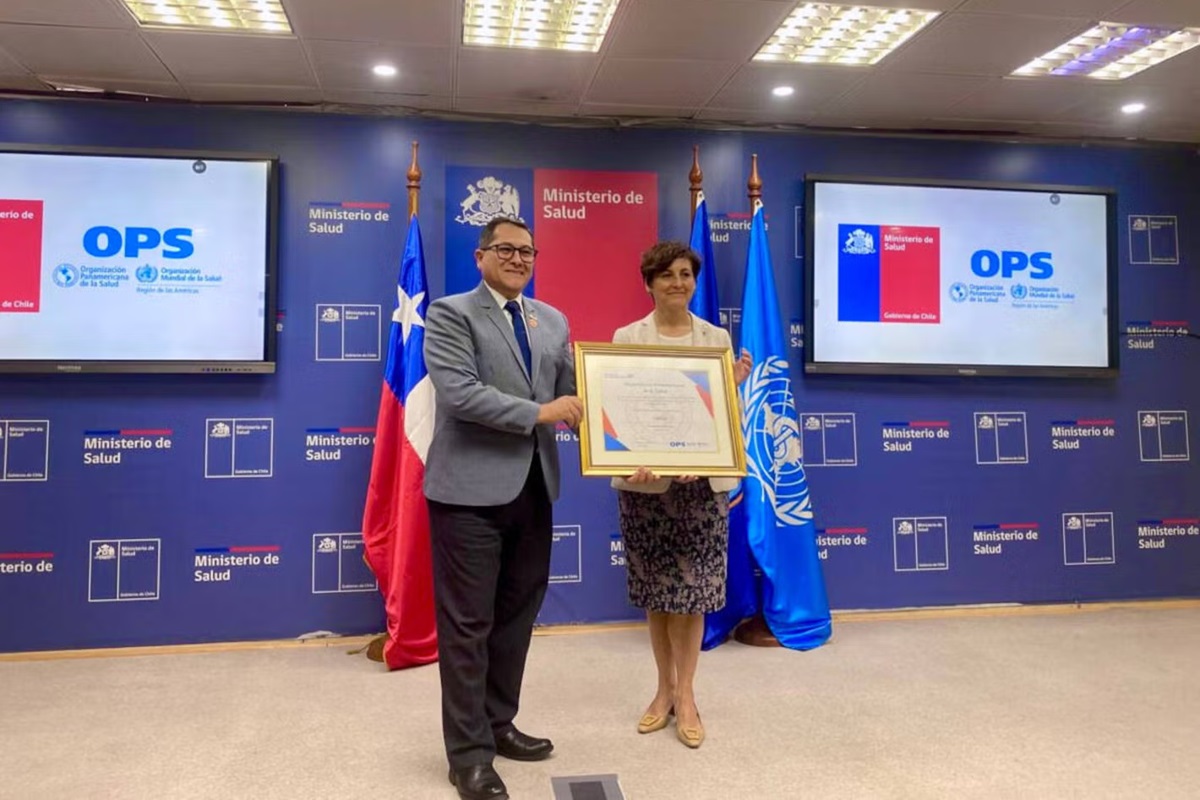
Chile has become the first country in the Americas to be verified by the World Health Organization (WHO) for the elimination of leprosy, marking a significant milestone in global public health. The verification, announced in early 2026, confirms that Chile has interrupted local transmission of the disease for more than three decades and maintains a robust health system capable of detecting and managing any future cases. This achievement makes Chile only the second country worldwide to reach this status, following Jordan’s verification in 2023.
The milestone reflects over 30 years of sustained public health effort, including consistent surveillance, universal access to multidrug therapy (MDT), and integration of leprosy care into the national health system. Despite the absence of locally acquired cases since 1993, Chile has kept leprosy as a notifiable disease, ensuring continued vigilance through mandatory reporting and clinical readiness across primary and specialized care levels.
Leprosy, also known as Hansen’s disease, is a chronic infectious condition caused by Mycobacterium leprae. It primarily affects the skin, peripheral nerves, mucous membranes, and eyes. While curable with MDT, delayed diagnosis can lead to irreversible nerve damage, disability, and social stigma. WHO classifies leprosy as a neglected tropical disease, with over 200,000 new cases reported globally each year, predominantly in tropical and impoverished regions.
Chile’s success was validated by an independent expert panel convened by WHO and the Pan American Health Organization (PAHO) at the request of Chile’s Ministry of Health in 2025. The panel reviewed epidemiological data, surveillance systems, case management protocols, and sustainability plans, confirming the absence of local transmission and the country’s capacity to respond to imported or sporadic cases. Dr. Jarbas Barbosa, PAHO Director, emphasized that Chile’s achievement demonstrates that elimination is possible through strong health systems, early detection, and inclusive care, particularly for vulnerable populations.
“This landmark public health achievement is a powerful testament to what leadership, science, and solidarity can accomplish,” said Dr. Tedros Adhanom Ghebreyesus, WHO Director-General, in a statement accompanying the verification. “Chile’s elimination of leprosy sends a clear message to the world: with sustained commitment, inclusive health services, integrated public health strategies, early detection and universal access to care, we can consign ancient diseases to history.”
Chile’s Minister of Health, Ximena Aguilera, described the verification as a source of national pride, crediting decades of prevention, early diagnosis, treatment adherence, and follow-up care. She reiterated the country’s responsibility to maintain active surveillance and ensure stigma-free, holistic care for anyone affected by leprosy, including access to physiotherapy, rehabilitation, and social support services.
Sustained Surveillance and Integrated Care in a Low-Incidence Setting
Between 2012 and 2023, Chile reported 47 leprosy cases nationwide, all of which were acquired outside the country or linked to prior exposure, with no evidence of local transmission. The country’s integrated care model ensures that suspected cases are first identified in primary health centers, then referred to specialized dermatology units for confirmation, treatment initiation, and long-term follow-up. This approach aligns with WHO’s “Towards Zero Leprosy” strategy, which emphasizes early intervention, disability prevention, and social inclusion.
Health workers across Chile receive regular training on leprosy recognition and management, a critical component in a setting where many clinicians may never encounter a case during their careers. PAHO has supported Chile in maintaining laboratory capacity, aligning surveillance with international standards, and preserving clinical expertise through virtual training platforms such as the WHO Academy.
The uninterrupted availability of MDT has been a cornerstone of Chile’s success. Since 1995, PAHO and WHO have ensured free access to MDT for countries in the Americas, including Chile, through agreements with The Nippon Foundation (1995–2000) and Novartis (since 2000). This reliable drug supply, combined with national procurement systems, has enabled timely treatment, prevented disability, and interrupted potential transmission chains.
A Model for the Americas and Beyond
Chile’s verification serves as a benchmark for other nations in the Region of the Americas, where PAHO’s Disease Elimination Initiative targets the eradication of leprosy and other communicable diseases by 2030. The initiative promotes strengthened surveillance, equitable access to treatment, and community engagement, particularly in underserved areas where neglected tropical diseases persist.
Chile’s experience highlights that elimination is not merely the absence of disease but the presence of a resilient health system capable of detecting, diagnosing, and caring for affected individuals whenever a case arises. This includes maintaining readiness for cases acquired abroad or among migrant populations, ensuring continuity of expertise, and sustaining public trust through transparent reporting and stigma reduction.
The country’s legal and social framework further supports these efforts. National laws guarantee equal access to healthcare, social protection, and disability services, reinforcing equity and non-discrimination. Chile’s mixed public-private health system, under strong regulatory oversight, helps ensure that migrants and other vulnerable groups are not excluded from care.
Sustaining Elimination: Next Steps and Recommendations
As Chile transitions into the post-elimination phase, WHO and PAHO recommend continued reporting to global surveillance systems, maintenance of sensitive case detection mechanisms, and retention of clinical expertise through ongoing training and reference center designation. The expert panel that verified Chile’s status also advised leveraging WHO Academy’s online modules to train frontline workers and formally designating a national referral center for complex cases.
These measures aim to ensure long-term preparedness, especially given the disease’s long incubation period—which can span years—and the risk of imported cases. By embedding leprosy vigilance into routine health services, Chile aims to prevent resurgence while contributing to regional and global elimination goals.
The verification was formally announced in February 2026, with PAHO and WHO issuing a joint statement recognizing Chile’s achievement. No further official assessments are currently scheduled, but Chile remains committed to annual reporting to WHO as part of its obligations under the International Health Regulations and neglected tropical disease monitoring frameworks.
For readers seeking official updates on leprosy elimination efforts, WHO’s Global Leprosy Programme provides regular updates on progress, strategies, and country validations. PAHO’s Disease Elimination Initiative also tracks regional advancements toward 2030 targets, including country-specific reports and technical guidance.
Chile’s verification stands as a reminder that even diseases long associated with fear and exclusion can be overcome through persistent, equitable, and science-based public health action. As the world works toward ending neglected tropical diseases, Chile’s experience offers a practical roadmap: build strong systems, leave no one behind, and never let vigilance wane—even when the disease disappears from sight.
Chile has become the first country in the Americas to be verified by the World Health Organization (WHO) for the elimination of leprosy, marking a significant milestone in global public health. The verification, announced in early 2026, confirms that Chile has interrupted local transmission of the disease for more than three decades and maintains a robust health system capable of detecting and managing any future cases. This achievement makes Chile only the second country worldwide to reach this status, following Jordan’s verification in 2023.
The milestone reflects over 30 years of sustained public health effort, including consistent surveillance, universal access to multidrug therapy (MDT), and integration of leprosy care into the national health system. Despite the absence of locally acquired cases since 1993, Chile has kept leprosy as a notifiable disease, ensuring continued vigilance through mandatory reporting and clinical readiness across primary and specialized care levels.
Leprosy, also known as Hansen’s disease, is a chronic infectious condition caused by Mycobacterium leprae. It primarily affects the skin, peripheral nerves, mucous membranes, and eyes. While curable with MDT, delayed diagnosis can lead to irreversible nerve damage, disability, and social stigma. WHO classifies leprosy as a neglected tropical disease, with over 200,000 new cases reported globally each year, predominantly in tropical and impoverished regions.
Chile’s success was validated by an independent expert panel convened by WHO and the Pan American Health Organization (PAHO) at the request of Chile’s Ministry of Health in 2025. The panel reviewed epidemiological data, surveillance systems, case management protocols, and sustainability plans, confirming the absence of local transmission and the country’s capacity to respond to imported or sporadic cases. Dr. Jarbas Barbosa, PAHO Director, emphasized that Chile’s achievement demonstrates that elimination is possible through strong health systems, early detection, and inclusive care, particularly for vulnerable populations.
“This landmark public health achievement is a powerful testament to what leadership, science, and solidarity can accomplish,” said Dr. Tedros Adhanom Ghebreyesus, WHO Director-General, in a statement accompanying the verification. “Chile’s elimination of leprosy sends a clear message to the world: with sustained commitment, inclusive health services, integrated public health strategies, early detection and universal access to care, we can consign ancient diseases to history.”
Chile’s Minister of Health, Ximena Aguilera, described the verification as a source of national pride, crediting decades of prevention, early diagnosis, treatment adherence, and follow-up care. She reiterated the country’s responsibility to maintain active surveillance and ensure stigma-free, holistic care for anyone affected by leprosy, including access to physiotherapy, rehabilitation, and social support services.
Sustained Surveillance and Integrated Care in a Low-Incidence Setting
Between 2012 and 2023, Chile reported 47 leprosy cases nationwide, all of which were acquired outside the country or linked to prior exposure, with no evidence of local transmission. The country’s integrated care model ensures that suspected cases are first identified in primary health centers, then referred to specialized dermatology units for confirmation, treatment initiation, and long-term follow-up. This approach aligns with WHO’s “Towards Zero Leprosy” strategy, which emphasizes early intervention, disability prevention, and social inclusion.
Health workers across Chile receive regular training on leprosy recognition and management, a critical component in a setting where many clinicians may never encounter a case during their careers. PAHO has supported Chile in maintaining laboratory capacity, aligning surveillance with international standards, and preserving clinical expertise through virtual training platforms such as the WHO Academy.
The uninterrupted availability of MDT has been a cornerstone of Chile’s success. Since 1995, PAHO and WHO have ensured free access to MDT for countries in the Americas, including Chile, through agreements with The Nippon Foundation (1995–2000) and Novartis (since 2000). This reliable drug supply, combined with national procurement systems, has enabled timely treatment, prevented disability, and interrupted potential transmission chains.
A Model for the Americas and Beyond
Chile’s verification serves as a benchmark for other nations in the Region of the Americas, where PAHO’s Disease Elimination Initiative targets the eradication of leprosy and other communicable diseases by 2030. The initiative promotes strengthened surveillance, equitable access to treatment, and community engagement, particularly in underserved areas where neglected tropical diseases persist.
Chile’s experience highlights that elimination is not merely the absence of disease but the presence of a resilient health system capable of detecting, diagnosing, and caring for affected individuals whenever a case arises. This includes maintaining readiness for cases acquired abroad or among migrant populations, ensuring continuity of expertise, and sustaining public trust through transparent reporting and stigma reduction.
The country’s legal and social framework further supports these efforts. National laws guarantee equal access to healthcare, social protection, and disability services, reinforcing equity and non-discrimination. Chile’s mixed public-private health system, under strong regulatory oversight, helps ensure that migrants and other vulnerable groups are not excluded from care.
Sustaining Elimination: Next Steps and Recommendations
As Chile transitions into the post-elimination phase, WHO and PAHO recommend continued reporting to global surveillance systems, maintenance of sensitive case detection mechanisms, and retention of clinical expertise through ongoing training and reference center designation. The expert panel that verified Chile’s status also advised leveraging WHO Academy’s online modules to train frontline workers and formally designating a national referral center for complex cases.
These measures aim to ensure long-term preparedness, especially given the disease’s long incubation period—which can span years—and the risk of imported cases. By embedding leprosy vigilance into routine health services, Chile aims to prevent resurgence while contributing to regional and global elimination goals.
The verification was formally announced in February 2026, with PAHO and WHO issuing a joint statement recognizing Chile’s achievement. No further official assessments are currently scheduled, but Chile remains committed to annual reporting to WHO as part of its obligations under the International Health Regulations and neglected tropical disease monitoring frameworks.
For readers seeking official updates on leprosy elimination efforts, WHO’s Global Leprosy Programme provides regular updates on progress, strategies, and country validations. PAHO’s Disease Elimination Initiative also tracks regional advancements toward 2030 targets, including country-specific reports and technical guidance.
Chile’s verification stands as a reminder that even diseases long associated with fear and exclusion can be overcome through persistent, equitable, and science-based public health action. As the world works toward ending neglected tropical diseases, Chile’s experience offers a practical roadmap: build strong systems, leave no one behind, and never let vigilance wane—even when the disease disappears from sight.