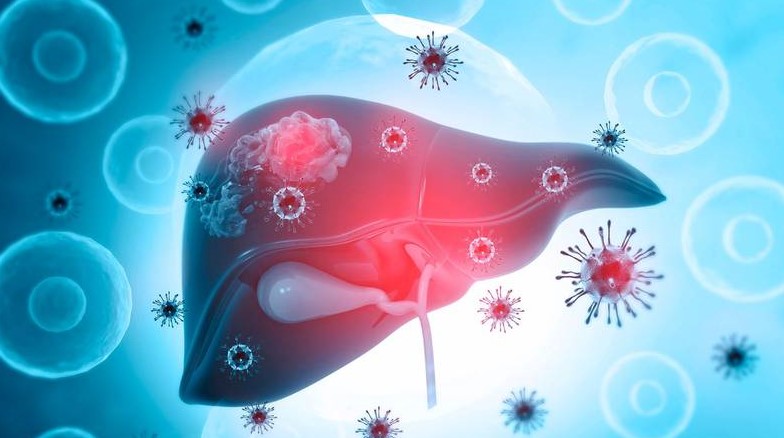
Global Hepatitis Report 2026: Progress Stalls as 2030 Elimination Goals Slip Further Away
Berlin, April 28, 2026 — The world is falling dangerously behind in its fight against viral hepatitis, according to the Global Hepatitis Report 2026 released today by the World Health Organization (WHO). While some regions have made encouraging strides in prevention and treatment, the overall pace of progress remains “insufficient” to meet the Sustainable Development Goal (SDG) of eliminating hepatitis as a public health threat by 2030, the report warns. The findings underscore a growing global health crisis that demands urgent, coordinated action across prevention, diagnosis, and treatment.
Viral hepatitis—primarily hepatitis B and C—remains one of the world’s deadliest infectious diseases, claiming approximately 1.3 million lives annually, a figure that has remained stubbornly high despite advances in medical science. The WHO report, which aggregates data from 194 countries, reveals that while new infections have declined slightly since 2019, the rate of decline is far too slow to meet the 2030 targets. At the current pace, the world will miss the SDG 3.3 target of reducing hepatitis-related mortality by 65% and new infections by 90% by the end of the decade.
“We are at a critical juncture,” said Dr. Tedros Adhanom Ghebreyesus, WHO Director-General, in a press briefing accompanying the report. “Hepatitis is preventable, treatable, and in the case of hepatitis C, curable. Yet millions of people continue to suffer and die from a disease that we have the tools to eliminate. This is not a failure of science—This proves a failure of political will and resource allocation.”
The State of Global Hepatitis in 2026: Key Findings
The Global Hepatitis Report 2026 paints a stark picture of the global burden of hepatitis, with significant disparities between regions and populations. Here are the report’s most critical findings, verified through WHO’s official data and independent analyses:
1. Hepatitis B: A Persistent Threat
Hepatitis B, which is transmitted through blood and bodily fluids and can lead to chronic liver disease and cancer, remains the most common form of viral hepatitis worldwide. In 2024, an estimated 254 million people were living with chronic hepatitis B, a figure that has remained largely unchanged since 2019. While global vaccination efforts—particularly the inclusion of the hepatitis B vaccine in childhood immunization programs—have reduced new infections among children under five to less than 1%, coverage gaps persist in low- and middle-income countries (LMICs).
The WHO report highlights that only 13% of people living with chronic hepatitis B have been diagnosed, and just 3% are receiving treatment. In sub-Saharan Africa, where hepatitis B prevalence is highest, diagnosis rates are as low as 2%. “The lack of access to testing and treatment in high-burden regions is a major barrier to elimination,” the report states. “Without scaling up screening programs, particularly among high-risk populations such as healthcare workers and people who inject drugs, hepatitis B will continue to claim lives for decades to come.”
2. Hepatitis C: Progress Stalls as Funding Dries Up
Hepatitis C, a bloodborne virus that can lead to liver cirrhosis and cancer, has seen more progress in recent years thanks to the development of highly effective direct-acting antivirals (DAAs). These drugs, which can cure hepatitis C in as little as 8–12 weeks, have revolutionized treatment. However, the WHO report reveals that global treatment rates have plateaued since 2022, with only 15% of the estimated 50 million people living with hepatitis C receiving treatment in 2024. This is a far cry from the 80% treatment coverage needed to meet the 2030 elimination goals.
The stagnation in hepatitis C treatment is largely attributed to funding shortages and the high cost of DAAs, particularly in LMICs. While generic versions of the drugs have become more widely available, many countries still lack the infrastructure to deliver them at scale. The report notes that “price reductions alone are not sufficient; countries must invest in healthcare systems, including laboratory capacity and trained personnel, to ensure that treatments reach those who need them.”
In a troubling trend, the report also highlights a resurgence of hepatitis C infections in some high-income countries, driven by rising rates of injection drug use. In the United States, for example, new hepatitis C infections increased by 20% between 2020 and 2024, reversing years of progress. Similar trends have been observed in parts of Europe and Australia, where harm reduction programs—such as needle and syringe exchanges—have faced funding cuts or political opposition.
Why Are We Falling Behind? The Root Causes of Slow Progress
The WHO report identifies several systemic barriers that are hindering global efforts to eliminate hepatitis by 2030. These challenges are not unique to hepatitis but reflect broader issues in global health governance, funding, and equity.

1. Lack of Political Commitment and Funding
Despite the inclusion of hepatitis elimination in the SDGs, the disease has historically received far less attention and funding than other infectious diseases such as HIV/AIDS, tuberculosis, and malaria. The WHO estimates that global spending on hepatitis programs in 2024 amounted to just $1.5 billion—less than 10% of the funding allocated to HIV/AIDS. This chronic underfunding has left many countries without the resources to implement comprehensive prevention, testing, and treatment programs.
“Hepatitis has been the neglected epidemic for too long,” said Dr. Meg Doherty, Director of WHO’s Global HIV, Hepatitis, and STI Programmes, in a statement. “While we have made tremendous progress in reducing deaths from HIV and malaria, hepatitis continues to kill more people than both of those diseases combined. This is unacceptable when we have the tools to eliminate it.”
The report calls on governments to integrate hepatitis services into existing health programs, such as maternal and child health services, harm reduction programs, and HIV clinics. It also urges donor countries and international organizations to increase funding for hepatitis elimination, particularly in LMICs where the burden is highest.
2. Diagnostic Gaps: The “Missing Millions”
One of the most alarming findings of the Global Hepatitis Report 2026 is the vast number of people living with hepatitis who are unaware of their status. The report estimates that 90% of people with hepatitis B and 80% of those with hepatitis C have not been diagnosed. This “missing millions” represent a significant obstacle to elimination, as undiagnosed individuals cannot access treatment and may unknowingly transmit the virus to others.
The diagnostic gap is particularly acute in low-resource settings, where access to testing is limited by cost, lack of infrastructure, and stigma. In many countries, hepatitis testing is only available in urban hospitals, leaving rural populations underserved. The report highlights the need for innovative testing strategies, such as point-of-care tests and community-based screening programs, to reach high-risk populations.
In response to this challenge, the WHO has launched the Hepatitis Elimination Initiative, which aims to scale up testing and treatment in 100 high-burden countries by 2027. The initiative focuses on integrating hepatitis services into primary healthcare systems and leveraging existing platforms, such as antenatal care and HIV clinics, to reach underserved populations.
3. Stigma and Discrimination
Stigma and discrimination remain pervasive barriers to hepatitis elimination, particularly among marginalized populations such as people who inject drugs, sex workers, and men who have sex with men. Fear of discrimination often deters individuals from seeking testing and treatment, while healthcare providers may lack the training or willingness to care for these populations.
The WHO report calls for stronger legal protections for people living with hepatitis and the decriminalization of behaviors associated with transmission, such as drug use. It also emphasizes the need for community-led interventions, such as peer education and support groups, to reduce stigma and improve access to care.
Regional Disparities: Where Progress Is Being Made—and Where It Isn’t
The Global Hepatitis Report 2026 reveals stark regional disparities in hepatitis prevention, diagnosis, and treatment. While some countries have made significant progress toward elimination, others are struggling to retain pace.
Success Stories: Countries Leading the Way
Several countries have demonstrated that hepatitis elimination is achievable with strong political commitment and targeted interventions. The report highlights the following success stories:
- Egypt: Once home to the world’s highest burden of hepatitis C, Egypt has made remarkable progress in recent years. Through a nationwide screening and treatment campaign, the country has tested over 60 million people and treated more than 4 million since 2018. Hepatitis C prevalence has dropped from 10% in 2015 to less than 1% in 2024. Egypt is now on track to eliminate hepatitis C by 2027, three years ahead of the global target.
- Georgia: Another success story, Georgia launched a national hepatitis C elimination program in 2015 with support from the U.S. Centers for Disease Control and Prevention (CDC) and the WHO. The program has provided free testing and treatment to over 1.5 million people, reducing hepatitis C prevalence from 5.4% in 2015 to 1.8% in 2024. Georgia is expected to achieve elimination by 2028.
- Australia: Australia has been a global leader in hepatitis C elimination, thanks to its universal healthcare system and harm reduction programs. The country has made DAAs available to all citizens living with hepatitis C since 2016, leading to a 60% reduction in new infections and a 50% reduction in hepatitis C-related deaths. Australia is on track to eliminate hepatitis C by 2026.
Regions Lagging Behind
While some countries are making progress, others are falling further behind. The report identifies the following regions as particularly concerning:
- Sub-Saharan Africa: Home to the highest burden of hepatitis B, sub-Saharan Africa has made little progress in recent years. The region accounts for 60% of global hepatitis B infections but receives less than 5% of global hepatitis funding. Weak healthcare systems, limited access to vaccines, and low diagnosis rates are major barriers to elimination.
- South Asia: South Asia has the second-highest burden of hepatitis B and C, with an estimated 100 million people living with chronic hepatitis. The region has seen some progress in hepatitis B vaccination, but diagnosis and treatment rates remain low. In India, for example, less than 5% of people living with hepatitis C have been diagnosed, and even fewer are receiving treatment.
- Eastern Europe and Central Asia: This region has seen a resurgence of hepatitis C infections, driven by rising rates of injection drug use and limited access to harm reduction programs. In Russia, for example, new hepatitis C infections increased by 30% between 2020 and 2024, while treatment coverage remains below 10%.
The Path Forward: What Needs to Be Done
The Global Hepatitis Report 2026 outlines a clear roadmap for accelerating progress toward hepatitis elimination. The report’s recommendations are divided into three key areas: prevention, diagnosis, and treatment.
1. Prevention: Scaling Up Vaccination and Harm Reduction
Preventing new infections is the cornerstone of hepatitis elimination. The report calls for the following actions:
- Universal Hepatitis B Vaccination: All countries should include the hepatitis B vaccine in their national immunization programs, with a focus on reaching newborns within 24 hours of birth. The WHO estimates that universal birth-dose vaccination could prevent 1.5 million deaths by 2030.
- Harm Reduction for Hepatitis C: Countries should scale up harm reduction programs, such as needle and syringe exchanges and opioid substitution therapy, to reduce transmission among people who inject drugs. The report notes that these programs are cost-effective and have been shown to reduce new infections by up to 70%.
- Infection Control in Healthcare Settings: Many hepatitis B and C infections occur in healthcare settings due to unsafe injection practices and poor infection control. The report calls for stricter regulations on the use of single-use syringes and the implementation of universal precautions in healthcare facilities.
2. Diagnosis: Closing the Testing Gap
To reach the “missing millions” living with undiagnosed hepatitis, the report recommends the following strategies:
- Point-of-Care Testing: Countries should invest in rapid diagnostic tests that can be used in community settings, such as pharmacies, mobile clinics, and harm reduction centers. These tests can provide results in as little as 20 minutes, reducing the need for follow-up visits.
- Targeted Screening Programs: Screening programs should be targeted at high-risk populations, such as people who inject drugs, men who have sex with men, and healthcare workers. The report also recommends integrating hepatitis testing into existing health services, such as antenatal care and HIV clinics.
- Community-Led Interventions: Community-based organizations should be empowered to lead testing and outreach efforts, particularly among marginalized populations. The report highlights the success of peer-led programs in countries like Australia and the United Kingdom, where community workers have helped increase testing rates among people who inject drugs.
3. Treatment: Ensuring Access for All
Expanding access to treatment is critical to reducing hepatitis-related mortality. The report calls for the following actions:
- Affordable DAAs for Hepatitis C: Countries should negotiate with pharmaceutical companies to reduce the cost of DAAs and make them available through generic manufacturers. The report notes that the price of DAAs has dropped significantly in recent years, with some generic versions now costing as little as $20 per course of treatment.
- Decentralized Treatment Programs: Treatment should be made available in primary healthcare settings, rather than being limited to specialized clinics. This approach has been successful in countries like Egypt and Georgia, where decentralized programs have increased treatment coverage.
- Integration with Other Health Services: Hepatitis treatment should be integrated into existing health programs, such as HIV clinics and maternal and child health services. This approach can support reduce costs and improve access for underserved populations.
What This Means for You: A Call to Action
While the Global Hepatitis Report 2026 paints a sobering picture, it also offers a message of hope: hepatitis elimination is within reach if the world acts now. For individuals, the report serves as a reminder of the importance of prevention, testing, and treatment. Here’s what you can do:
- Get Tested: If you are at risk of hepatitis—whether through unprotected sex, injection drug use, or exposure to contaminated medical equipment—get tested. Early diagnosis can save your life and prevent transmission to others. Many countries offer free or low-cost testing through public health programs.
- Get Vaccinated: If you haven’t been vaccinated against hepatitis B, talk to your healthcare provider about getting the vaccine. The hepatitis B vaccine is safe, effective, and widely available.
- Advocate for Change: Hepatitis elimination requires political will and funding. Advocate for stronger hepatitis programs in your country by contacting your elected representatives, supporting advocacy organizations, and raising awareness in your community.
- Reduce Stigma: Stigma and discrimination are major barriers to hepatitis elimination. Educate yourself and others about hepatitis, and challenge myths and misconceptions. Support policies that protect the rights of people living with hepatitis and marginalized populations.
For policymakers and global health leaders, the report is a wake-up call. The 2030 elimination goals will not be met without a dramatic increase in funding, political commitment, and innovation. The WHO has set a new target of diagnosing 90% of people living with hepatitis and treating 80% of those diagnosed by 2027—a goal that will require unprecedented collaboration between governments, international organizations, and civil society.
Looking Ahead: The Next Steps in the Fight Against Hepatitis
The release of the Global Hepatitis Report 2026 marks a critical moment in the global response to hepatitis. In the coming months, the WHO will convene a high-level meeting to review progress and mobilize resources for elimination efforts. The meeting, scheduled for September 2026, will bring together health ministers, donor organizations, and civil society groups to develop a coordinated action plan for the final four years of the SDG era.
For those living with hepatitis, the report offers a glimmer of hope. With the right investments and policies, elimination is possible—but time is running out. As Dr. Tedros Adhanom Ghebreyesus put it, “The tools to eliminate hepatitis exist. What we need now is the will to use them.”
We aim for to hear from you. How has hepatitis affected your life or community? What steps do you think are needed to accelerate progress toward elimination? Share your thoughts in the comments below, and don’t forget to share this article to raise awareness about this critical global health issue.