
The landscape of software development is undergoing a profound shift, as the proliferation of generative artificial intelligence has drastically lowered the barrier to entry for building digital products. While the cost of writing code has plummeted—with nearly half of all new software now generated by AI tools—the economic challenges of bringing these products to market remain steep. For developers and entrepreneurs, the real hurdle is no longer the creation of code, but the persistent difficulty of distribution: the high cost of building trust, integrating systems, and standardizing software within enterprise environments.
As a physician and health journalist, I see a striking parallel here to the medical field. Just as a breakthrough in laboratory research does not guarantee a successful clinical rollout, a sophisticated software application does not inherently solve the complex “last mile” problem of adoption. The democratization of coding tools has created an abundance of supply, yet the human and systemic requirements for reliable, secure, and integrated technology remain as resource-intensive as ever.
The Economics of Code vs. The Economics of Trust
The current market environment is defined by this divergence. On one hand, AI-powered coding assistants have fundamentally altered the production phase of the software development lifecycle. By automating routine syntax and boilerplate generation, these tools allow small teams to accomplish in days what previously required weeks of manual effort. This reduction in production cost is a significant technological milestone, yet it does not address the foundational business requirement of enterprise adoption.
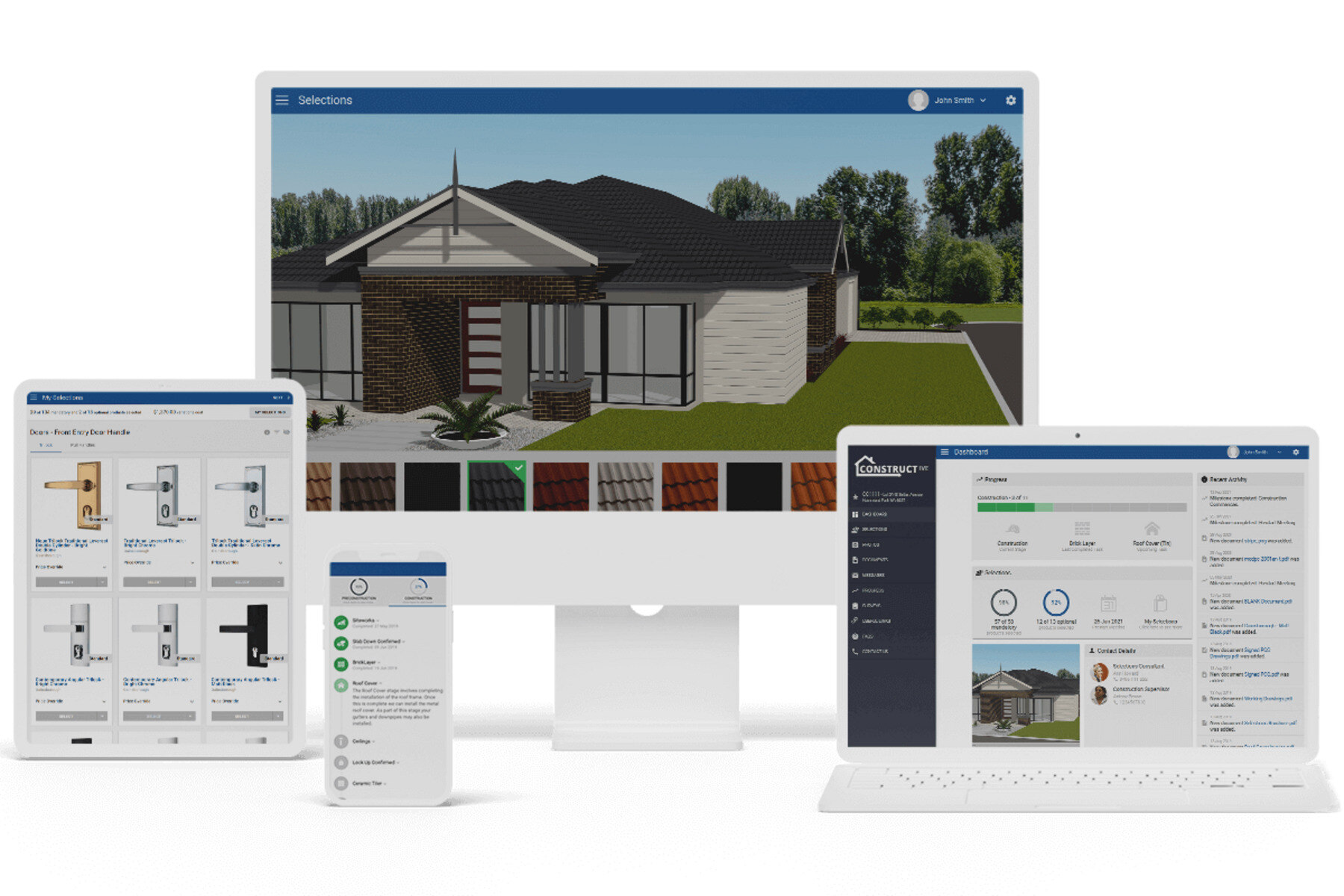
In the enterprise sector, software procurement is rarely governed by the novelty or efficiency of the code itself. Instead, it is governed by rigorous requirements for security, compliance, and interoperability. According to industry analysis from the Gartner Group regarding global IT spending trends, the focus for organizations remains heavily weighted toward the integration and maintenance of complex digital infrastructures. The cost of getting a buyer to trust a new platform—often involving lengthy procurement cycles, security audits, and data privacy validation—remains largely untouched by the speed of AI code generation.
Why Distribution Remains the Harder Problem
The “why” behind the rising expense of selling software is rooted in the increasing complexity of the modern enterprise tech stack. When a company integrates a new tool, it is not just buying code; it is buying a dependency. This necessitates extensive testing and change management to ensure that the new software does not disrupt existing workflows or create vulnerabilities.
This reality forces a shift in strategy for software companies. If the cost of building has dropped, the value proposition must shift toward the “distribution” side of the equation. This involves professional services, account management, and the high-touch human effort required to move a product from a prototype to a standardized tool within a large organization. For developers looking to compete in this environment, technical prowess is no longer the sole differentiator; the ability to navigate the complexities of enterprise trust and standardization is what ultimately dictates market success.
The Path Forward for Developers
For those navigating this transition, the focus must shift from pure output to utility and integration. Organizations are increasingly wary of “AI-bloat”—the rapid influx of unvetted, AI-generated applications that lack the necessary enterprise-grade guardrails. To successfully sell software in this climate, companies must invest in the infrastructure of trust: robust documentation, clear data governance policies, and seamless integration capabilities that respect the existing architecture of the buyer.
The next checkpoint for these trends will be the upcoming industry reports on software procurement cycles and enterprise SaaS adoption rates, which are expected later this year. These documents will provide further data on how companies are balancing the influx of AI-generated tools with their ongoing commitments to security and operational stability. Understanding these metrics will be essential for any team looking to bridge the gap between a well-coded product and a viable, scalable business.
How has your organization adjusted its approach to software procurement in the age of AI? Please share your thoughts or experiences in the comments below.