
The era of accessible, low-cost global air travel is facing its most significant challenge in decades. As geopolitical tensions escalate, the resulting disruption to global energy markets has triggered a sharp rise in operational costs for carriers worldwide. For many travelers, the dream of affordable international flight tickets is being eclipsed by a reality of surging prices and reduced route availability, marking a potential turning point for the aviation industry.
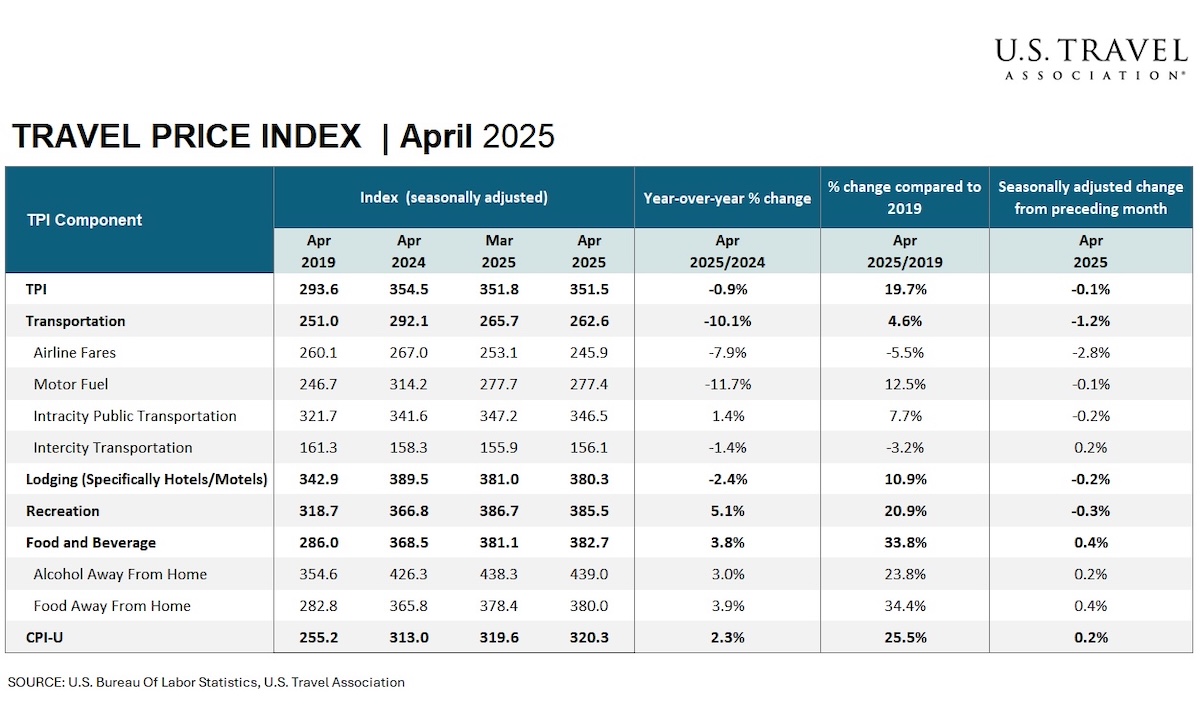
The current volatility is rooted in the intersection of energy security and logistics. With the Strait of Hormuz acting as a critical maritime artery for global energy, any instability in the region creates immediate, cascading effects on the price of jet fuel. According to data from the Bureau of Labor Statistics, overall travel costs have seen significant upward pressure, with airfare prices rising 20.7% over the 12 months leading to April 2026. This environment forces airlines to reevaluate their bottom lines, often at the expense of the consumer.
The Ripple Effect of Rising Operational Costs
When fuel prices spike, the financial burden on airlines is immediate. Jet fuel represents one of the largest variable costs for any carrier, and when those costs rise, the industry typically responds with a combination of higher ticket prices, increased ancillary fees for baggage, and a strategic reduction in flight capacity. By cutting routes that are deemed unprofitable under current fuel price projections, airlines effectively shrink the supply of available seats, which further drives up the cost for remaining travelers.
This dynamic has created a challenging landscape for the entire aviation sector. The closure of major low-cost carriers often serves as a barometer for the industry’s health. When a budget airline ceases operations, the market loses a competitive force that historically kept ticket prices lower across the board. The resulting lack of competition allows remaining carriers to maintain higher pricing structures, a phenomenon that impacts everything from short-haul regional flights to long-haul international routes.
Understanding the Travel Price Index
To understand the current economic climate, one must look at the broader Travel Price Index, which aggregates data from various travel categories, including lodging, dining, and rental cars. While airfare has seen the most dramatic surge, travelers are finding that the cost of their entire vacation package is rising. As of May 2026, average U.S. Travel costs are 9% higher than they were at the same time in 2025. This increase is the most substantial year-over-year climb since March 2023, reflecting a broader inflationary trend that complicates travel planning.
It is important to contextualize these figures against pre-pandemic benchmarks. When compared to April 2019, travel costs in April 2026 are up 22%. While this remains lower than the 30.2% price increase observed across all consumer items during the same period, the rapid escalation of airfare in the last year has been particularly punishing for those who rely on frequent air travel for business or personal reasons.
What Lies Ahead for the Global Traveler
The question of whether these prices will stabilize remains the subject of intense debate among industry analysts. Even if fuel costs were to moderate, there is no guarantee that ticket prices will return to their historical lows. Airlines operate in a complex, globalized market where they must balance the need for profitability with the demand for affordable travel. For now, the industry is prioritizing financial sustainability, which often means maintaining current pricing levels to offset the volatility of the past year.

Travelers are advised to remain vigilant regarding official updates from transport authorities and individual airlines. With the next round of Consumer Price Index (CPI) data scheduled for release in the coming weeks, stakeholders will be looking for signs of whether these inflationary pressures are beginning to plateau or if further increases are on the horizon.
As we navigate this period of uncertainty, the strategies for finding affordable travel are also evolving. Flexibility in scheduling, booking well in advance, and monitoring fare alerts remain the most effective tools for the modern traveler. We invite our readers to share their own experiences with recent travel costs and any strategies they have employed to manage their budgets in the comments section below.
Keep reading