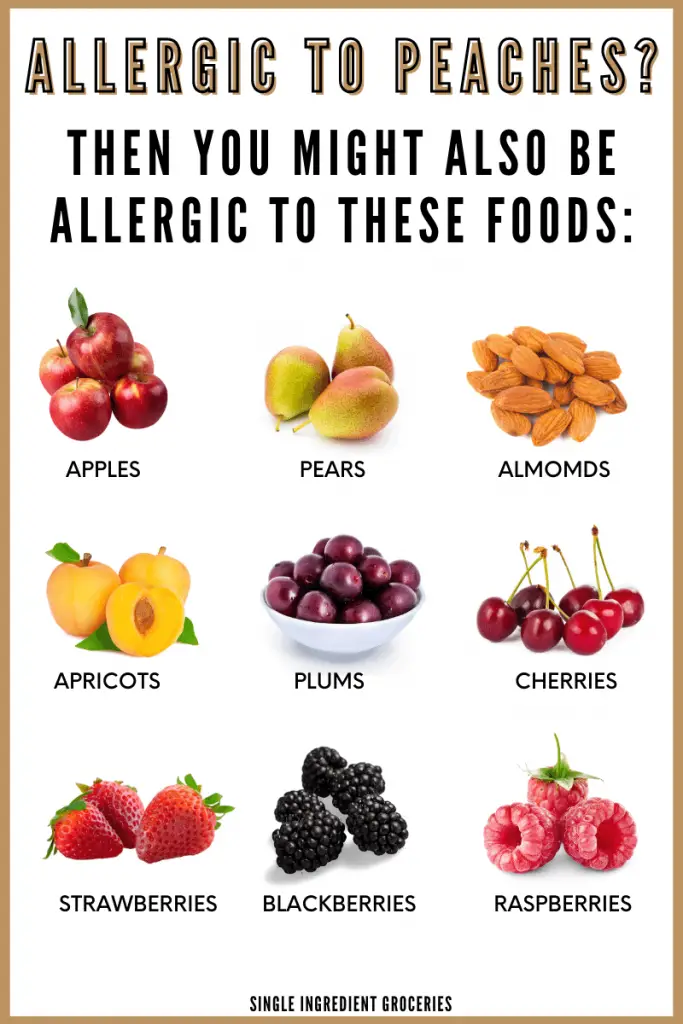
For many, a ripe peach is the quintessential taste of summer. However, for a significant number of individuals, that first bite is followed not by sweetness, but by an immediate and unsettling tingling in the lips or an itch in the throat. What may seem like a minor annoyance is often the manifestation of a complex immune response known as a peach allergy.
Understanding why these reactions occur requires a seem at the intersection of botany and immunology. Peach allergies are not always isolated incidents. they are frequently linked to environmental triggers, specifically pollen. This phenomenon, where the body confuses the proteins in a food with those in a pollen grain, can lead to reactions ranging from mild oral irritation to life-threatening systemic failure.
As a physician and health journalist, I have seen how often these “hidden” connections are overlooked. Many people are surprised to learn that their reaction to a piece of fruit is actually an extension of their seasonal hay fever. By examining the specific proteins involved and the nature of cross-reactivity, we can better understand how to manage these risks and when a reaction requires emergency intervention.
The Role of Proteins and Peach Skin
The primary trigger for a peach allergy lies in the protein composition of the fruit. Specifically, the proteins found in the peach’s skin and the characteristic “fuzz” or fine hairs on the surface can trigger a hypersensitivity reaction in the immune system. When these proteins enter the body, the immune system of an allergic individual identifies them as harmful invaders, prompting the release of chemicals that cause inflammation and irritation.
While the skin and fuzz are common culprits, proteins found within the flesh and around the seed can too trigger reactions. This means that for some, simply touching the skin of a peach can cause a localized reaction, while for others, the reaction only occurs upon ingestion.
Oral Allergy Syndrome and the Birch Pollen Connection
One of the most common reasons for peach allergies is a biological phenomenon called cross-reactivity. This occurs when the proteins in certain foods are structurally similar to the proteins found in pollens. In the case of peaches, there is a strong link to birch pollen and certain weed pollens which can cause cross-reactions.

This specific type of reaction is often referred to as Oral Allergy Syndrome (OAS). When a person with a birch pollen allergy eats a peach, their immune system mistakes the peach protein for the birch pollen protein. Because the reaction typically occurs where the food first touches the body, the symptoms are often concentrated in the mouth and throat.
Beyond birch and weed pollens, research indicates other environmental links. For instance, there is a known cross-reaction between peaches and thuja (cypress) pollen which may influence how a patient reacts. This interconnectedness highlights why a comprehensive allergy history—including seasonal triggers—is vital for an accurate diagnosis.
Recognizing the Symptoms: From Mild to Severe
The symptoms of a peach allergy can vary wildly depending on the individual’s sensitivity and the nature of the allergic trigger. Recognizing these signs early is critical for preventing a mild reaction from escalating into a medical emergency.
Early and Common Symptoms
The most frequent initial signs are localized to the oral cavity and typically appear within minutes of consumption:
- Itching or tingling of the lips, tongue, and inside of the mouth.
- Swelling of the lips or facial area.
- The appearance of hives (urticaria) on the skin.
Gastrointestinal and Respiratory Distress
If the allergen is processed further into the body or if the sensitivity is higher, the reaction may spread:
- Digestive Issues: The gastrointestinal tract may react with abdominal pain, vomiting, or diarrhea.
- Respiratory Issues: The bronchial mucosa may swell, leading to a sore throat, coughing, and significant difficulty breathing.
Anaphylaxis: The Critical Danger
While many reactions are mild, peach allergies can lead to anaphylactic shock—a severe, systemic reaction that is life-threatening. This may involve a sudden drop in blood pressure and complete airway obstruction. In such cases, immediate medical intervention is required to prevent fatality as these reactions can be severe.
Diagnosis and Clinical Nuances
Diagnosing a peach allergy involves more than just a patient’s history; it requires precise testing to differentiate between a primary food allergy and a cross-reactive response.
Medical professionals often use specific IgE (Immunoglobulin E) tests to detect antibodies against peach proteins. However, clinicians must be aware of certain “false positives” or complex markers. For example, if a patient tests positive for peach-specific IgE but is only positive for the MUXF3 CCD (Cross-reactive Carbohydrate Determinant) component, the actual cause of the symptoms might not be the peach itself, but another underlying allergen which complicates the diagnostic process.
| Trigger Source | Mechanism | Common Symptoms |
|---|---|---|
| Peach Skin/Fuzz | Direct protein hypersensitivity | Local itching, hives, skin irritation |
| Birch/Weed Pollen | Cross-reactivity (OAS) | Itchy mouth, tingling lips, throat irritation |
| Thuja (Cypress) Pollen | Cross-reactivity | Varies by sensitivity level |
| Systemic Exposure | Severe immune response | Anaphylaxis, respiratory failure, BP drop |
For those managing these allergies, the most effective strategy remains strict avoidance of the trigger fruit. However, because of the link to birch pollen, individuals who suffer from severe spring allergies should remain vigilant when introducing stone fruits into their diet.
If you or a loved one experience swelling of the throat or difficulty breathing after eating fruit, seek emergency medical care immediately. For those with recurring mild symptoms, consulting an allergist for IgE or CCD testing can provide the clarity needed to navigate your diet safely.
We welcome your thoughts and experiences in the comments below. Please share this article with anyone who struggles with seasonal allergies and may be unaware of the link to their food sensitivities.