The escalating geopolitical friction between the United States and Iran is doing more than just rattling global oil prices; It’s accelerating a fundamental global energy market shift. While the immediate reaction to Middle East instability is typically a surge in crude prices, a deeper structural realignment is underway, one that may fundamentally alter which nations hold the levers of energy power in the coming decades.
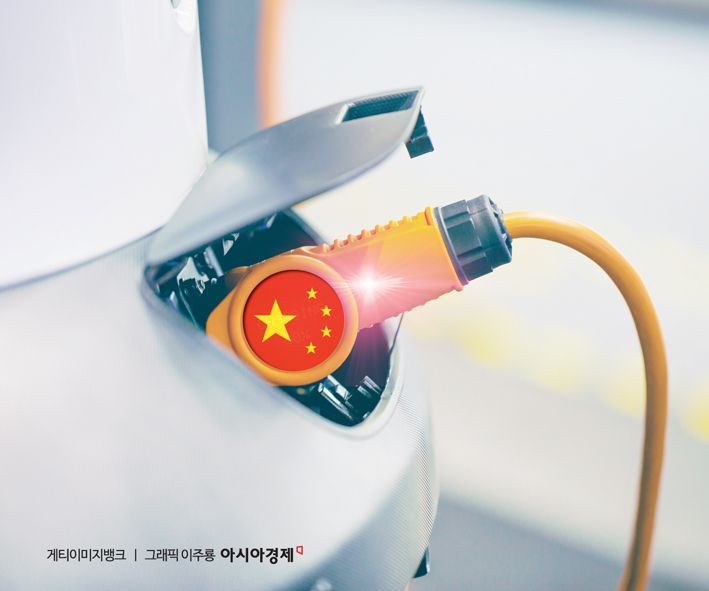
According to analysis from Wood Mackenzie, a leading energy and natural resources research firm, the volatility surrounding “oil risk” is creating a strategic opening for China. As the world grapples with the fragility of petroleum supply chains, Beijing is positioned to emerge as a primary beneficiary due to its aggressive investment in alternative energy and its massive domestic resource base.
The shift is not merely about replacing one fuel with another, but about a complete overhaul of the transport and energy infrastructure. For decades, the global economy has remained tethered to the stability of the Middle East. Still, the threat of prolonged conflict and the resulting price shocks are acting as a catalyst, pushing the world toward a future where oil no longer dictates the pace of global commerce.
The Hormuz Factor: A Catalyst for the EV Revolution
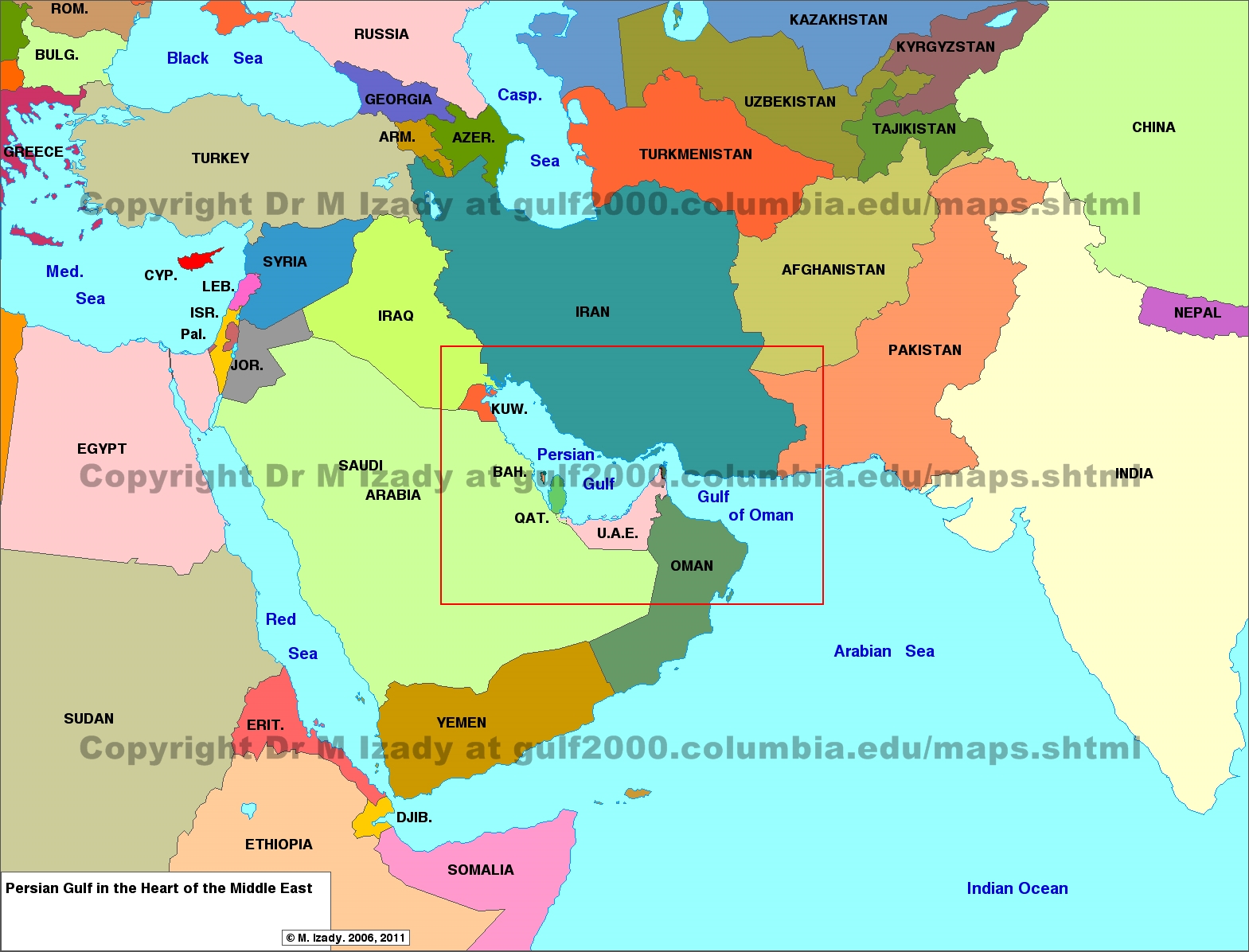
One of the most critical vulnerabilities in the current energy landscape is the Strait of Hormuz, a narrow waterway through which a significant portion of the world’s oil passes. The prospect of a blockade in this region is being viewed not just as a logistical nightmare, but as a “game changer” for the electric vehicle (EV) industry, according to industry reports citing Wood Mackenzie.
When oil prices spike due to Middle East tensions, the economic incentive to transition away from internal combustion engines intensifies. This “reflexive benefit” directly fuels the growth of the Chinese EV and battery sectors. By reducing the world’s reliance on a volatile oil market, the transition to electricity transforms a geopolitical risk into a commercial opportunity for those who control the technology of the future.
Projecting 2040: The New Energy Landscape
The long-term projections suggest a dramatic pivot in how the world moves. Wood Mackenzie indicates that by 2040, electric vehicles are expected to secure a dominant share of the market. This transition will lead to a significant reallocation of energy demand, moving away from liquid fuels and toward the power grid.
Specifically, research shows that as EVs achieve market dominance after 2040, electricity demand for the road transport sector is projected to surge by 57%, according to recent analysis. This massive increase in power requirements will simultaneously result in a decline in oil demand for the transportation sector, effectively breaking the traditional dependence on petroleum-exporting regions.
Why China is Positioned to Win
China’s advantage in this shifting landscape is rooted in a diversified energy strategy that combines cutting-edge renewables with traditional baseload power. The country has established significant production capacities in solar and wind energy, allowing it to scale the electricity generation needed to support a massive EV fleet.
China’s energy security is bolstered by its extensive coal reserves and high production levels. While the world moves toward greens, the ability to maintain stable power generation through coal provides a safety net that allows Beijing to weather the transition without the same vulnerabilities faced by nations solely dependent on imported oil or gas.
Key Takeaways: The Shift in Energy Power
- Oil Volatility as a Driver: US-Iran tensions and “oil risk” are accelerating the global transition to electric vehicles.
- The Hormuz Trigger: A potential blockade of the Strait of Hormuz is viewed as a catalyst that could fast-track the adoption of EV technology.
- 2040 Demand Pivot: Road transport electricity demand is expected to rise by 57% as EVs dominate the market after 2040.
- China’s Strategic Edge: Strong solar, wind, and coal capacities position China to benefit from the decline in global oil reliance.
The transition described by Wood Mackenzie suggests that the “winners” of the next energy era will not be those who find the most oil, but those who control the infrastructure of electricity and the minerals required for battery production. As the geopolitical map is redrawn, the focus is shifting from the oil fields of the Middle East to the renewable energy grids and battery factories of East Asia.
The global community continues to monitor the situation in the Middle East, with the next critical checkpoints being official diplomatic communications between the US and Iran regarding regional stability and future energy security reports from international monitoring agencies.
Do you believe the transition to EVs is happening fast enough to mitigate geopolitical oil risks? Share your thoughts in the comments below.
Worth a look