
For over a decade, healthcare consumerism has been hailed as the silver bullet to curb rising medical costs. High-deductible plans, health savings accounts, and price transparency tools promised patients more control—and, in theory, a way to rein in spending. But a growing body of evidence now suggests that consumer-driven healthcare alone has failed to bend the cost curve. The reason? It overlooked one critical factor: quality. Without a focus on measurable outcomes, value-based care, and systemic efficiency, even the most engaged patients are left navigating a fragmented system where cost savings often come at the expense of health.
This shift toward quality-driven healthcare design is gaining traction among policymakers, insurers, and providers. The core argument: if patients are armed with better information—not just about prices, but about results—they can make decisions that truly improve their health while controlling costs. Yet the transition is fraught with challenges. How do you define “quality” in healthcare? Who pays for the infrastructure needed to track outcomes? And can insurers resist the temptation to prioritize short-term savings over long-term value?
The stakes are high. A 2025 Commonwealth Fund report found that while consumer-directed plans have increased price sensitivity among patients, they have not led to significant reductions in overall healthcare spending. In fact, the report highlighted that 38% of patients in high-deductible plans delayed or skipped necessary care due to cost concerns—a direct contradiction to the goal of consumerism. Meanwhile, systems that prioritize quality metrics, such as accountable care organizations (ACOs) and bundled payment models, have shown 5–15% cost savings while maintaining or improving patient outcomes, according to CMS data from 2023–2024.
The Flaws in Consumer-Driven Healthcare
Consumerism in healthcare was built on a simple premise: if patients know the cost of a procedure or medication, they will choose the cheapest option, driving prices down through market competition. The reality, however, has been more complicated. Studies published in JAMA Internal Medicine and The New England Journal of Medicine have shown that price transparency alone does not lead to smarter spending. Patients struggle to interpret complex billing codes, lack time to shop around for care, and often prioritize convenience over cost—especially in emergencies. Even when they do comparison-shop, the savings are often absorbed by providers through reduced reimbursement rates, rather than passed on to patients.
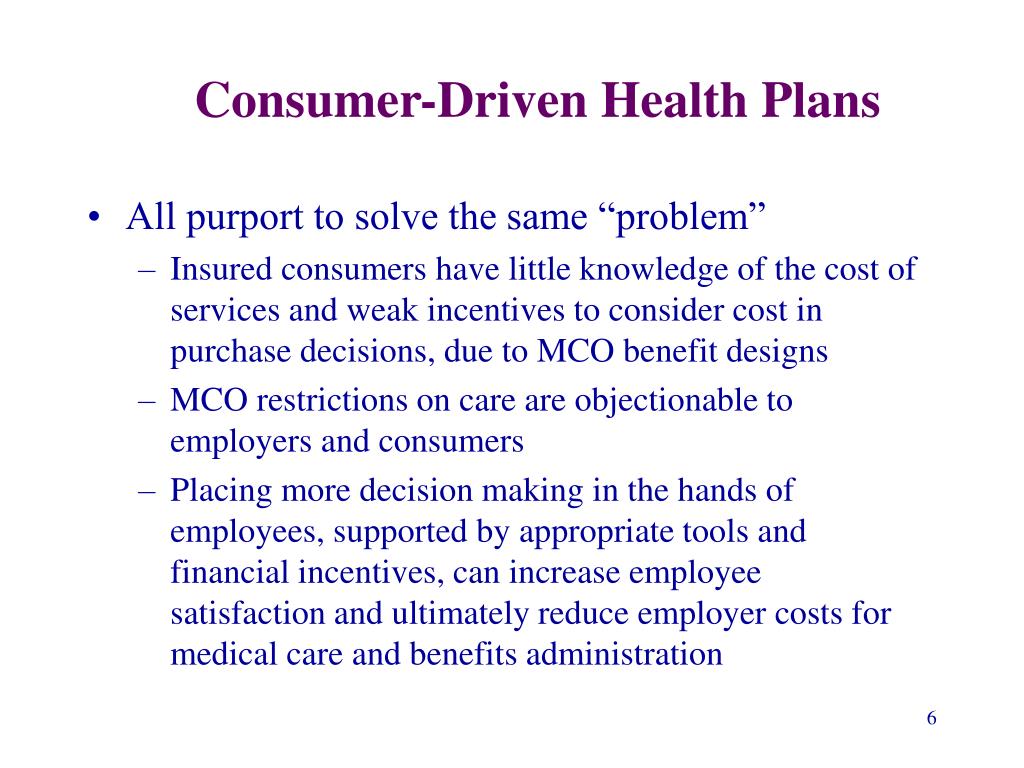
Another critical oversight: consumer-driven plans assume that patients are rational actors with perfect information. But healthcare decisions are rarely made in a vacuum. A 2024 survey by KFF revealed that 62% of Americans say they lack confidence in their ability to navigate the healthcare system, even with price tools at their disposal. The result? Underutilization of preventive care, which leads to higher costs down the line when conditions worsen and require more expensive interventions.
What Quality-Driven Design Looks Like
Quality-driven healthcare design flips the script. Instead of asking, “How much does this cost?” it asks, “What are the outcomes?” This approach relies on three pillars:
- Measurable quality metrics: Tracking readmission rates, patient satisfaction, and clinical outcomes (e.g., blood pressure control for hypertension patients) to ensure care is effective.
- Value-based payment models: Rewarding providers for achieving health goals (e.g., reducing hospital readmissions or improving chronic disease management) rather than for the volume of services delivered.
- Patient-provider alignment: Ensuring patients understand not just the cost of care, but the trade-offs between different treatment options in terms of effectiveness and long-term health.
One of the most promising examples is the Merit-based Incentive Payment System (MIPS), a Medicare program that ties reimbursements to quality and cost performance. Since its launch in 2017, MIPS has shown that clinics focusing on quality metrics reduced unnecessary spending by up to 12% while improving patient outcomes, according to a 2025 CMS evaluation. Similarly, accountable care organizations (ACOs), which bundle payments for entire episodes of care (e.g., a hip replacement), have demonstrated cost savings of 3–8% in pilot programs, with some achieving 15% reductions in high-performing models.
Yet scaling these models is not without hurdles. Critics argue that quality metrics can be gamed—providers may focus on easily measurable outcomes while neglecting others. There’s also the challenge of data interoperability: many healthcare systems still operate in silos, making it difficult to track patient outcomes across providers. The Office of the National Coordinator for Health IT (ONC) has identified this as a top priority, with recent rulemakings pushing for standardized electronic health records (EHRs) to improve data sharing.
Who Stands to Gain—and Who Might Resist?
The transition to quality-driven design benefits multiple stakeholders, but it also disrupts the status quo. Here’s how different groups are positioned:
- Patients: Gain access to clearer information about the effectiveness of treatments, reducing the risk of unnecessary procedures or delayed care.
- Providers: Can thrive in value-based models if they invest in care coordination and preventive services—but may face financial strain during the transition.
- Insurers: Could see reduced claims costs over time, but may initially resist shifting from fee-for-service to risk-sharing models.
- Policymakers: Have an opportunity to align incentives across the healthcare system, but must navigate political resistance from industry lobbies.
The biggest resistance often comes from traditional fee-for-service reimbursement models, which reward volume over value. A 2025 Health Affairs analysis found that only 20% of U.S. Healthcare spending is currently tied to value-based care—leaving vast room for growth. Meanwhile, provider groups like the American Medical Association (AMA) have expressed concerns about the administrative burden of new quality reporting requirements.
The Path Forward: Policy and Practical Steps
So how can quality-driven design become the new standard? Experts point to several key steps:
- Expand public reporting of quality metrics: Consumers need straightforward access to data on provider performance, similar to how Consumer Reports rates products. Initiatives like Medicare’s Hospital Compare are a start, but broader adoption is needed.
- Incentivize preventive care: Shifting reimbursement models to reward early intervention (e.g., annual wellness visits) can reduce long-term costs. The CDC estimates that $3 of healthcare spending is saved for every $1 invested in community preventive services.
- Invest in health literacy programs: Patients need tools to understand quality data. Organizations like Consumer.gov (run by the FTC) offer resources, but scaling these efforts requires broader collaboration.
- Address social determinants of health: Quality outcomes are influenced by factors like housing stability, food access, and transportation. Programs like HRSA’s Health Center Program are integrating these considerations into care models.
At the federal level, the Inflation Reduction Act of 2022 included provisions to expand Medicare negotiation of drug prices and incentivize value-based care—signaling a shift in policy direction. Meanwhile, private insurers like UnitedHealthcare and Kaiser Permanente have been early adopters of quality-driven models, with Kaiser’s integrated system achieving consistently lower costs and better outcomes than the national average.
What’s Next? The Role of Patients and Providers
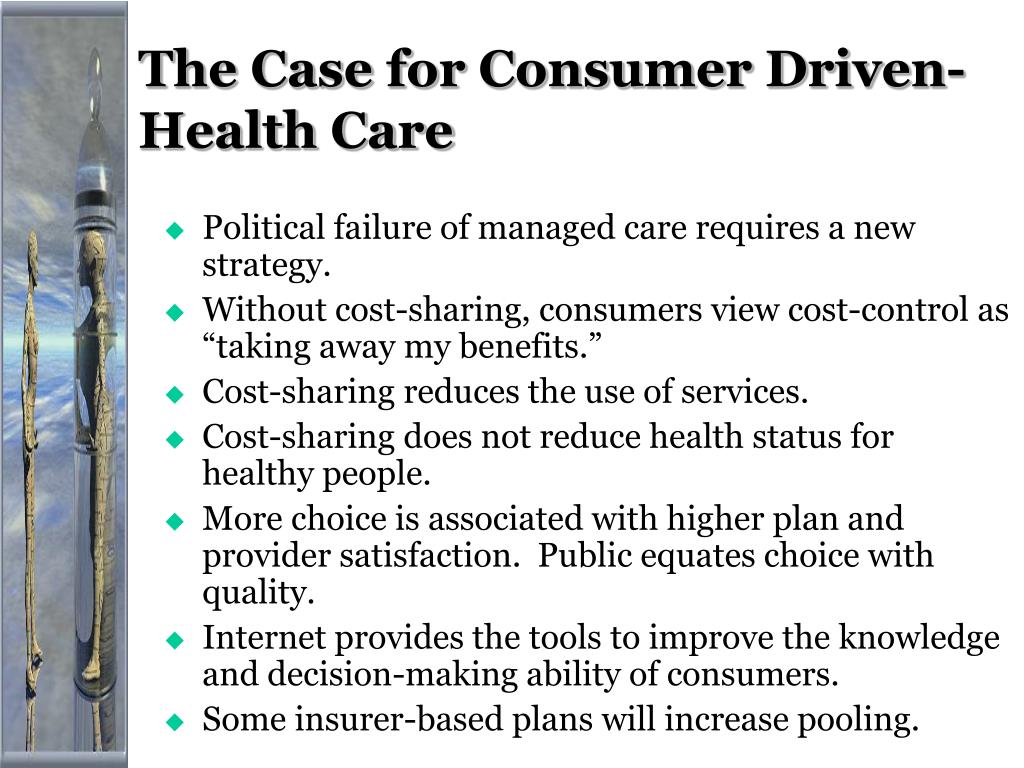
The future of healthcare will likely be a hybrid model: consumerism with a quality lens. Patients will continue to play a role in cost-conscious decisions, but those choices will be informed by outcomes data. Providers, in turn, will need to adapt to new payment models that reward efficiency, and effectiveness.
For patients, this means advocating for transparency—not just in prices, but in results. Asking questions like, “What are the success rates for this procedure at this hospital?” or “How often do patients need follow-up care?” can empower better decision-making. Tools like Healthgrades and Zocdoc are starting to bridge this gap, but broader adoption is needed.
Providers, meanwhile, must embrace data-driven quality improvement. This could mean investing in patient engagement technologies, such as apps that track chronic disease management, or partnering with community organizations to address social determinants of health. The American Hospital Association (AHA) has highlighted this as a priority, with many hospitals now hiring chief experience officers to oversee quality and patient satisfaction initiatives.
Key Takeaways
- Consumer-driven healthcare has not significantly reduced costs because it overlooked quality and systemic inefficiencies.
- Quality-driven models (e.g., ACOs, MIPS) show promise in lowering costs while improving outcomes, but scaling requires better data infrastructure.
- Patients need access to outcome data to make informed choices, not just price comparisons.
- Policy shifts are underway, with federal and private insurers increasingly tying payments to quality metrics.
- The transition will be gradual and requires collaboration among patients, providers, insurers, and policymakers.
What Happens Next?
The next major checkpoint will be the 2026 Medicare Physician Fee Schedule final rule, expected in November 2025. This rule will determine how aggressively CMS pushes value-based payment models in the coming years. The Department of Health and Human Services (HHS) is set to release a National Strategy for Quality Improvement in early 2026, outlining federal priorities for quality-driven healthcare. Patients and providers should watch for these developments closely, as they will shape the future of healthcare delivery.
In the meantime, the conversation is already evolving. As Dr. David Blumenthal, president of the Commonwealth Fund, noted in a 2025 interview: “The goal isn’t just to give patients a price tag—it’s to give them the information they need to choose wisely. And that means quality has to be front and center.”
For readers looking to stay informed, here are key resources:
- Medicare Quality Initiatives
- KFF Health Cost Tracker
- ONC’s EHR Interoperability Resources
- Consumer.gov Health Tools
What are your experiences with healthcare consumerism? Have you found quality metrics helpful in making decisions about your care? Share your thoughts in the comments below—or tag @WorldTodayJrnl on X/Twitter to join the discussion.