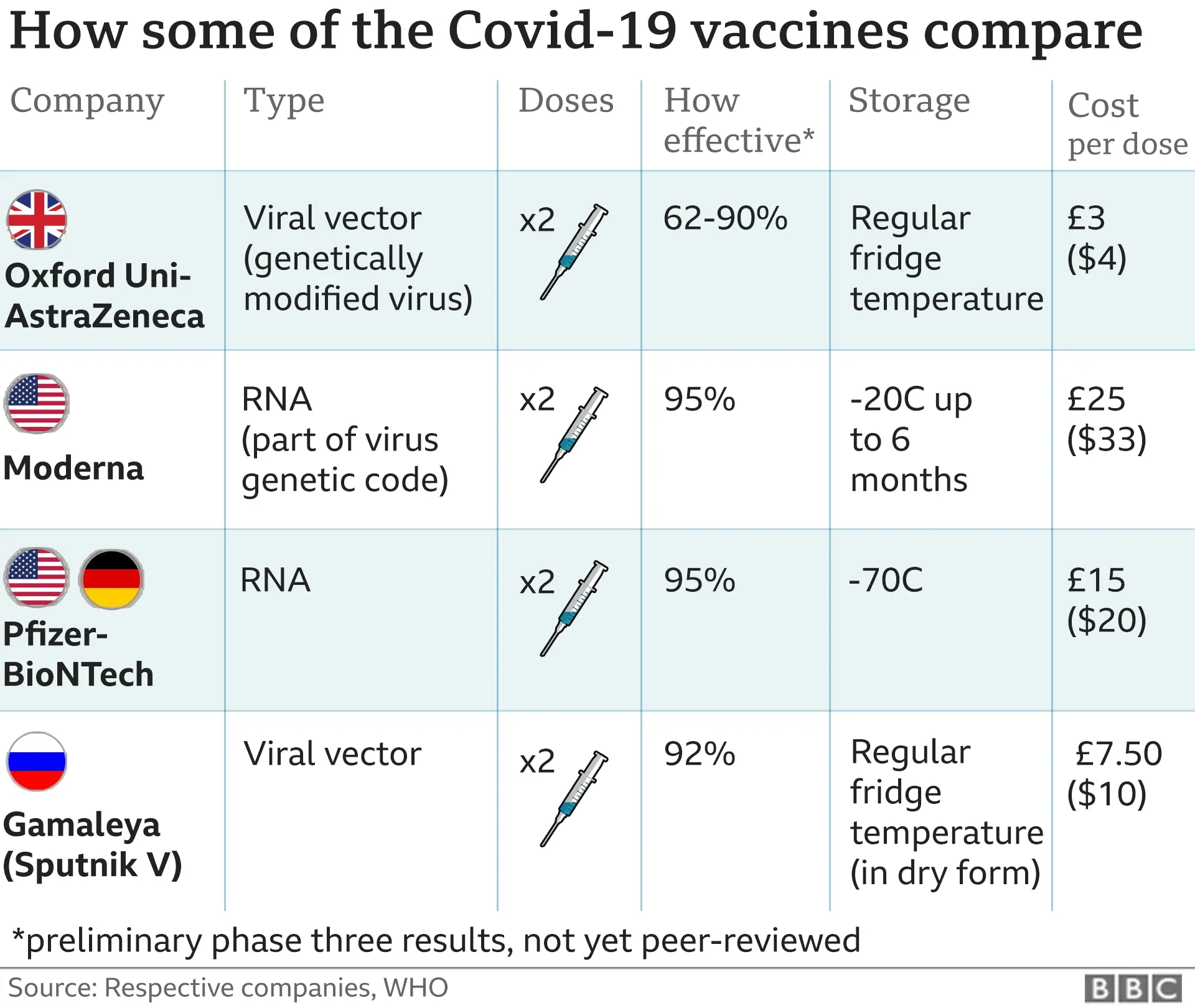
As of late 2024, public health authorities, including the Centers for Disease Control and Prevention (CDC), recommend that nearly everyone aged 6 months and older receive an updated COVID-19 vaccine to protect against current circulating variants. While widespread immunity has been established through previous vaccinations and natural infections, the virus continues to evolve, making periodic updates to immunization status a primary strategy for preventing severe disease, hospitalization, and death.
For most healthy adults and children, the decision to vaccinate is now framed as a routine preventive measure, similar to the annual influenza shot. However, the clinical focus has shifted from universal mass vaccination campaigns toward targeted protection for high-risk groups, including the elderly, the immunocompromised, and those with significant underlying health conditions.
Understanding Current Vaccination Guidance
The guidance for COVID-19 vaccination is no longer a “one-size-fits-all” mandate. Instead, health agencies now emphasize risk-based decision-making. According to the World Health Organization (WHO), while the risk of severe COVID-19 has decreased significantly compared to the initial phases of the pandemic—largely due to high levels of population immunity—the virus remains a persistent threat, particularly during seasonal surges.
The current vaccines are formulated to target the most recent lineages of the SARS-CoV-2 virus. For the majority of the population, a single dose of the updated 2024-2025 vaccine is sufficient to bolster waning immunity. For those who are moderately or severely immunocompromised, the CDC provides specific schedules that may include additional doses to ensure an adequate immune response.
Who Benefits Most from Updated Boosters?
While the broader population is encouraged to stay up to date, clinical data consistently shows that the benefits of vaccination are most pronounced in specific demographic groups. Individuals aged 65 and older remain the highest priority for vaccination, as this group is statistically more likely to experience severe complications from a breakthrough infection.
Beyond age, the European Centre for Disease Prevention and Control (ECDC) identifies individuals with chronic conditions—such as cardiovascular disease, diabetes, and chronic respiratory illnesses—as high-priority groups. For these individuals, the vaccine acts as a critical safety net, reducing the likelihood that a COVID-19 infection will exacerbate existing health issues or lead to hospitalization.
Those who have not been vaccinated previously or who have not had a recent booster are also encouraged to consult with a primary care physician. The goal is to bridge the gap between initial immunity—which may have been acquired years ago—and the current viral landscape.
Can Anyone Skip the Vaccine?
The question of whether an individual can “skip” the vaccine is complex and depends on individual health profiles. While some younger, healthy individuals may perceive their risk of severe disease as low, public health experts generally advise against forgoing vaccination entirely. The primary argument for broad vaccination is not only individual protection but also the reduction of community transmission, which indirectly protects the most vulnerable members of society who may not mount a robust response to the vaccine themselves.
However, there are clinical considerations for deferment. For example, individuals who have recently recovered from a SARS-CoV-2 infection may choose to delay their next dose. The CDC notes that people who have recently had COVID-19 may consider delaying their vaccine by three months, as the infection itself provides a temporary boost in antibodies. This is a matter for individual clinical judgment rather than a permanent exemption.
Monitoring the Next Phase of Public Health
The landscape of COVID-19 vaccination is expected to remain fluid. As we move into the next phase of endemic management, health agencies will continue to monitor variant circulation and vaccine effectiveness data to determine whether annual updates will be required indefinitely or if the strategy will shift further toward long-term, high-risk-only protocols.
The next major checkpoint for public health policy will occur during the spring of 2025, when the U.S. Food and Drug Administration (FDA) and international regulatory bodies typically convene to review the composition of vaccines for the upcoming year. Readers are encouraged to monitor updates from their local health departments or the WHO to ensure their immunization status remains current based on the latest regional data. For personalized medical advice, always consult your physician to discuss your specific risk factors and health history.
We welcome your questions and experiences regarding your local health guidance in the comments below.
Keep reading