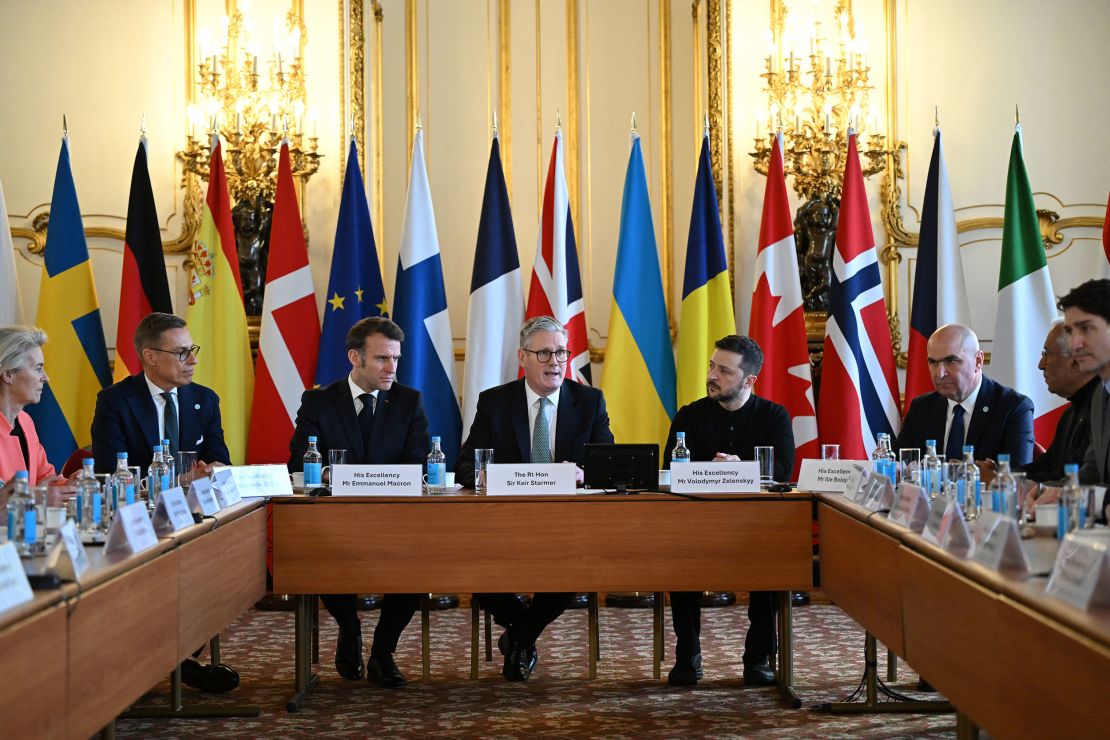
European leaders face a critical strategic choice between pursuing diplomatic negotiations with Russian President Vladimir Putin and strengthening military deterrence to ensure long-term continental security. Current geopolitical tensions suggest that traditional diplomacy may be insufficient to address Russia’s security demands, prompting calls for decisive leadership and increased defense capabilities across the European Union and NATO.
The debate over whether to engage in formal negotiations with the Kremlin has intensified as the conflict in Ukraine enters a protracted phase. While some policymakers argue that a negotiated settlement is necessary to prevent further escalation and economic instability, others contend that any diplomatic concessions to Moscow would undermine the established international order and fail to provide lasting security for sovereign nations.
This strategic dilemma is compounded by shifting political landscapes within both the European Union and the United States. As European nations reassess their defense postures, the focus has moved from immediate crisis management to the long-term necessity of building a robust, self-sustaining security architecture capable of deterring future aggression.
Why is the efficacy of diplomacy with Russia being questioned?
The skepticism regarding diplomatic solutions stems from a perceived lack of reliability in previous international agreements. Analysts and security officials have frequently pointed to the violation of the 1994 Budapest Memorandum as a primary reason for the current breakdown in trust. Under that agreement, Ukraine agreed to relinquish its nuclear arsenal in exchange for security assurances from Russia, the United States, and the United Kingdom, which many argue were not upheld during the 2014 annexation of Crimea and the 2022 full-scale invasion.
According to reports from Reuters, the current Russian administration has consistently signaled that its security requirements involve significant territorial concessions and the neutralization of Ukraine’s integration into Western institutions. This stance creates a fundamental impasse: Western powers view these demands as an affront to national sovereignty, while Moscow frames them as non-negotiable security necessities.
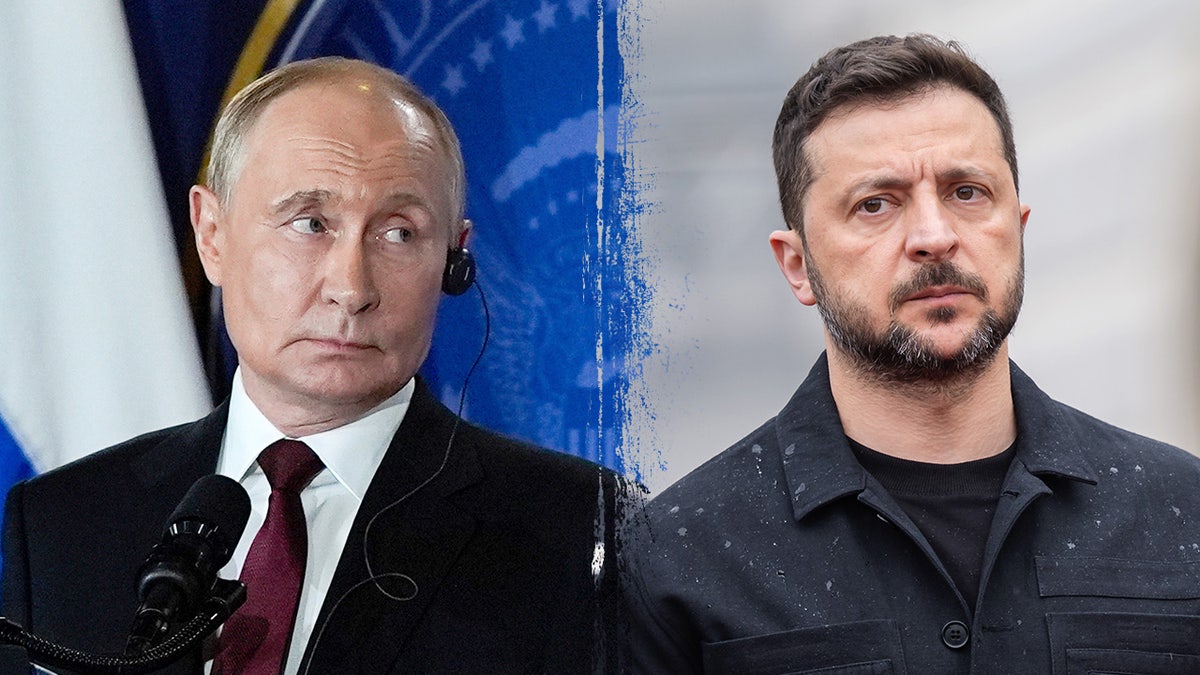
Furthermore, the concept of “peace through strength” has gained significant traction among European defense planners. This doctrine suggests that diplomacy can only be effective when backed by a credible military threat. The failure of the Minsk agreements—designed to end fighting in eastern Ukraine between 2014 and 2015—serves as a frequently cited precedent for those who believe that Moscow uses negotiations primarily as a tool to stall for time and regroup militarily.
The current security environment has forced a pivot toward military preparedness. For many European officials, the priority is no longer finding a middle ground for negotiation, but rather ensuring that Russia perceives the cost of further aggression as prohibitively high. This shift is evidenced by the massive increase in defense spending across the continent and the revitalization of NATO’s eastern flank.
How is Europe restructuring its defense capabilities?
The war in Ukraine has acted as a catalyst for the most significant shift in European security policy since the end of the Cold War. This transformation is characterized by increased defense budgets, enhanced military cooperation, and a move toward greater strategic autonomy within the European Union.

A notable example of this shift is Germany’s “Zeitenwende,” or “turning point,” announced by Chancellor Olaf Scholz in February 2022. Following the invasion, the German government committed to a €100 billion special fund to modernize its armed forces, marking a historic departure from its post-war policy of military restraint. This move has been mirrored by other major European economies, including France and Poland, which have both significantly increased their defense allocations to meet or exceed the NATO target of 2% of GDP.
The strengthening of NATO has also been a central pillar of this restructuring. The alliance has successfully expanded its membership to include Finland and Sweden, significantly altering the security dynamics of the Baltic Sea region. According to official NATO communications, these additions have bolstered the alliance’s collective defense capabilities and increased its presence in northern Europe.
In addition to membership expansion, NATO has significantly increased its troop presence in Eastern Europe. The deployment of enhanced Forward Presence (eFP) battlegroups in member states such as Estonia, Latvia, Lithuania, and Poland serves as a direct deterrent against potential incursions. These deployments represent a transition from a “tripwire” strategy—intended to signal presence—to a more robust “deterrence by denial” model, which aims to make any offensive action immediately unsuccessful.
Within the European Union, the focus has turned to the development of a more integrated defense industry and procurement process. The European Defence Fund (EDF) and the European Defence Industrial Strategy (EDIS) are designed to encourage cross-border collaboration and reduce Europe’s reliance on non-European suppliers for critical military technology. These initiatives aim to create a more resilient and technologically advanced defense ecosystem that can operate independently if necessary.
What are the economic implications of the ongoing conflict?
The geopolitical tension between Europe and Russia has had profound implications for global and regional markets. The weaponization of energy supplies and the implementation of sweeping sanctions have forced a radical reconfiguration of European economic structures.
To limit Russia’s ability to fund its military operations, the European Union has implemented multiple packages of economic sanctions. These measures include freezing Russian central bank assets, banning the import of Russian coal and oil, and restricting access to dual-use technologies. According to the European Council, these sanctions are designed to degrade Russia’s economic capacity to sustain its war effort while minimizing the direct impact on European citizens.
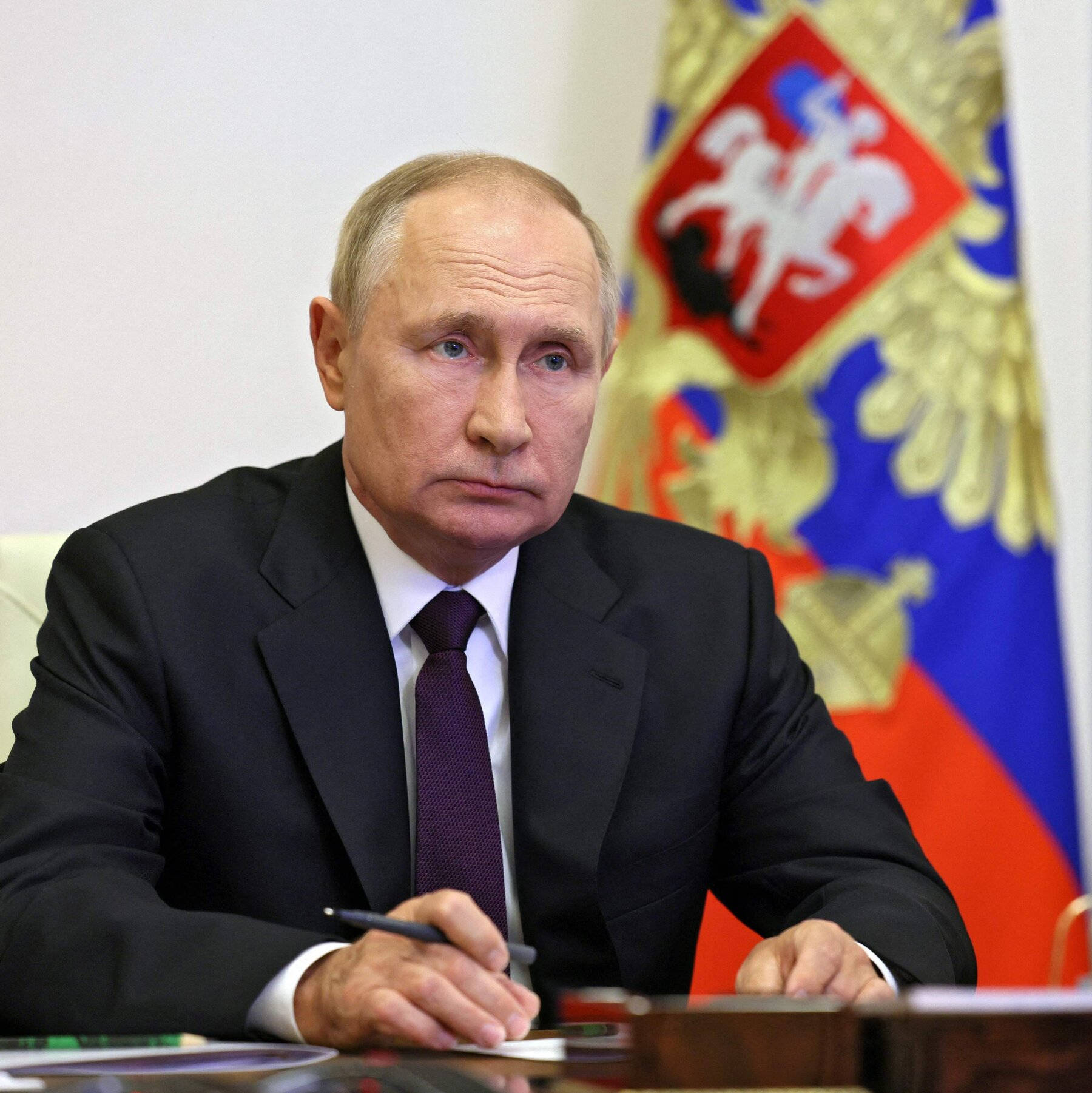
However, the decoupling from Russian energy has presented significant challenges. For decades, European industry—particularly in Germany—relied heavily on cheap Russian natural gas. The sudden necessity to find alternative suppliers has led to increased energy costs, contributing to inflationary pressures and impacting the competitiveness of European manufacturing. This has necessitated a rapid transition toward liquefied natural gas (LNG) from the United States and Qatar, as well as an accelerated investment in renewable energy infrastructure.
The economic impact can be summarized through the following comparative developments:
| Economic Factor | Pre-2022 Status | Post-2022 Status |
|---|---|---|
| Energy Source | Heavy reliance on Russian pipeline gas | Diversification toward LNG and renewables |
| Defense Spending | Many nations below 2% NATO target | Widespread increase toward 2% or higher |
| Trade Relations | High integration with Russian markets | Sanctions and decoupling from Russian goods |
| Supply Chains | Globalized, cost-optimized models | Focus on “friend-shoring” and security |
While the economic transition has been costly, European policymakers argue that the long-term cost of energy dependence on an adversary would have been even higher. The current strategy focuses on building economic resilience that can withstand future geopolitical shocks.
What role does leadership play in ensuring European security?
The current era requires a specific form of political leadership often described as “statesmanship”—the ability to make difficult, long-term decisions that prioritize national and continental security over short-term political or economic convenience. This brand of leadership is essential for navigating the complexities of a multi-polar world where traditional diplomatic norms are being challenged.
Effective leadership in this context involves several key components:
- Strategic Unity: Maintaining a cohesive front among NATO and EU allies to prevent Russia from using “divide and conquer” tactics.
- Long-term Vision: Moving beyond the immediate requirements of the conflict in Ukraine to address the broader structural changes in global security.
- Decisive Action: The willingness to commit resources and military support even when domestic political pressure favors restraint.
- Economic Resilience: Implementing policies that protect the domestic economy from the volatility caused by geopolitical shifts.
The debate over “diplomacy versus deterrence” is essentially a debate over the nature of this leadership. One school of thought argues that true statesmanship involves finding a way to end the bloodshed through dialogue. The opposing school argues that true statesmanship requires the courage to prepare for a long-term confrontation and to build the strength necessary to ensure that peace is sustainable.
The outcome of this debate will likely be determined by how effectively European leaders can balance the immediate humanitarian and economic needs of their populations with the existential necessity of long-term security. As the conflict continues, the ability to project strength and maintain unity will be the primary metric by which European leadership is judged.
Next Scheduled Update: Stakeholders will continue to monitor the upcoming NATO summits and the implementation of the next round of EU sanction packages for indicators of shifts in European security policy.
What are your thoughts on Europe’s current security strategy? Should the focus remain on military deterrence, or is there a viable path back to the negotiating table? Share your views in the comments below and share this article with your network.
Worth a look