
As a physician based in Berlin, I often field questions from patients about why they seem to be the primary target for mosquitoes during summer months. While the experience can feel personal—as if these insects are specifically seeking you out—the reality is governed by a sophisticated biological interplay between human physiology and the sensory capabilities of the mosquito. Understanding the mechanics of these interactions is essential for effective public health management and personal protection.
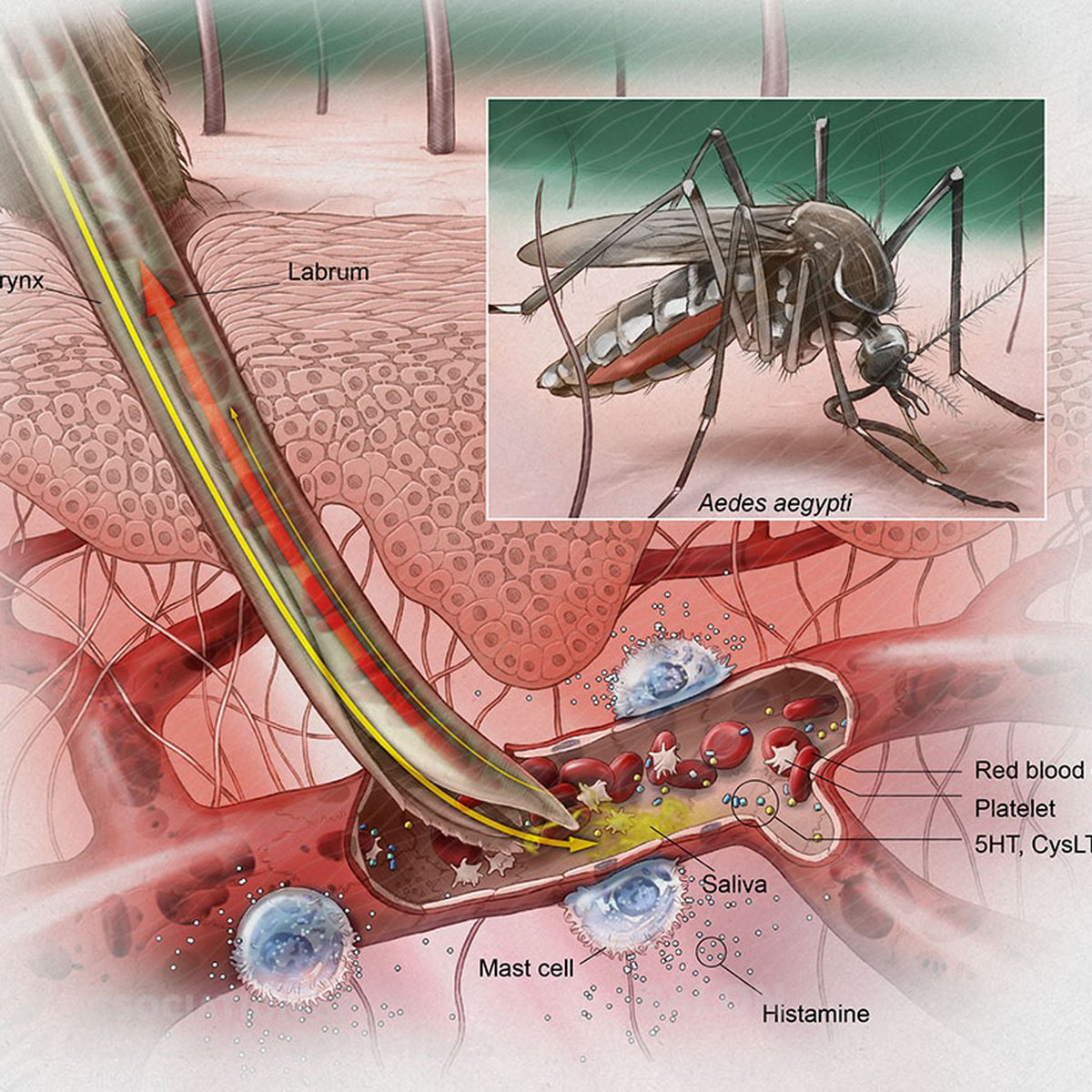
Mosquitoes, particularly species like the Aedes albopictus (often referred to as the tiger mosquito), utilize a complex array of sensory inputs to navigate their environment and locate hosts. We see a common misconception that their choice of target is random. In fact, research indicates that mosquitoes are highly selective, relying on chemical, visual, and thermal cues to identify a suitable blood meal. By examining the science of host attraction, we can better understand how to mitigate these risks in both domestic and travel settings.
The Sensory Toolkit: How Mosquitoes Locate Hosts
At the core of mosquito behavior is their ability to detect carbon dioxide (CO2) emissions, which act as a long-range signal for a potential host. However, as the mosquito draws closer, its decision-making process becomes far more nuanced. According to the Centers for Disease Control and Prevention (CDC), female mosquitoes—the only ones that bite—are drawn to a variety of volatile compounds produced by the human body, including lactic acid, ammonia, and certain carboxylic acids found in sweat.
Temperature also plays a critical role in this “thermo-guided” behavior. Mosquitoes are sensitive to body heat, which allows them to hone in on precise areas of exposed skin. This is why mosquitoes often seem to target the extremities or areas with higher blood flow. The combination of heat signatures and chemical plumes creates a unique “odor profile” for every individual, which may explain why some people consistently report more bites than others.
Factoring in Biological Variables
While the role of body temperature and CO2 is well-documented, public interest often focuses on other variables, such as blood type or diet. Scientific inquiry has sought to determine if these factors provide a significant advantage to the mosquito. For example, some studies have explored the theory that certain blood types may be more attractive to mosquitoes than others. However, it is vital to approach such claims with caution. While some peer-reviewed literature, such as research published in the Journal of Medical Entomology, has suggested preferences for Type O blood, these findings are often context-dependent and do not suggest that blood type is the sole determinant of attraction.
Similarly, the impact of external factors like alcohol consumption or pregnancy on skin microbiome and emission profiles remains a subject of ongoing study. Pregnancy, for instance, is known to increase both the volume of CO2 exhaled and body temperature, both of which are primary attractants for mosquitoes. Understanding these nuances helps us frame public health messaging more effectively, moving away from anecdotal “myths” and toward evidence-based preventative strategies.
Public Health Implications and Prevention
The expansion of mosquito populations, including the tiger mosquito, across various regions—including parts of Europe and the Mediterranean—has increased the importance of robust vector control. The primary strategy remains the reduction of breeding sites. Mosquitoes require standing water to complete their life cycle, from egg to larva to adult. Eliminating even little amounts of stagnant water in flower pots, gutters, or discarded containers is the most effective way to reduce local populations.
For individuals, personal protection strategies are supported by the World Health Organization (WHO), which emphasizes the use of EPA-registered insect repellents containing active ingredients such as DEET, picaridin, or oil of lemon eucalyptus. Wearing light-colored, long-sleeved clothing during peak activity hours—usually dawn and dusk—serves as an effective physical barrier.
Moving Forward: Why It Matters
The “why” behind mosquito attraction is not merely a curiosity for summer travelers; it is a fundamental aspect of infectious disease prevention. As global temperatures shift and international travel increases, the distribution of vector-borne diseases requires a vigilant approach to public health communication. By focusing on the scientific reality of mosquito behavior, we can empower communities to take proactive steps to protect themselves.
As we head into the upcoming season, local health authorities are expected to release updated surveillance reports regarding vector density. I encourage our readers to check their municipal health department websites for regional advisories. If you have questions about specific repellents or local risk levels, please share your thoughts or concerns in the comments section below, and I will be happy to provide further clinical perspective in our next update.
Keep reading