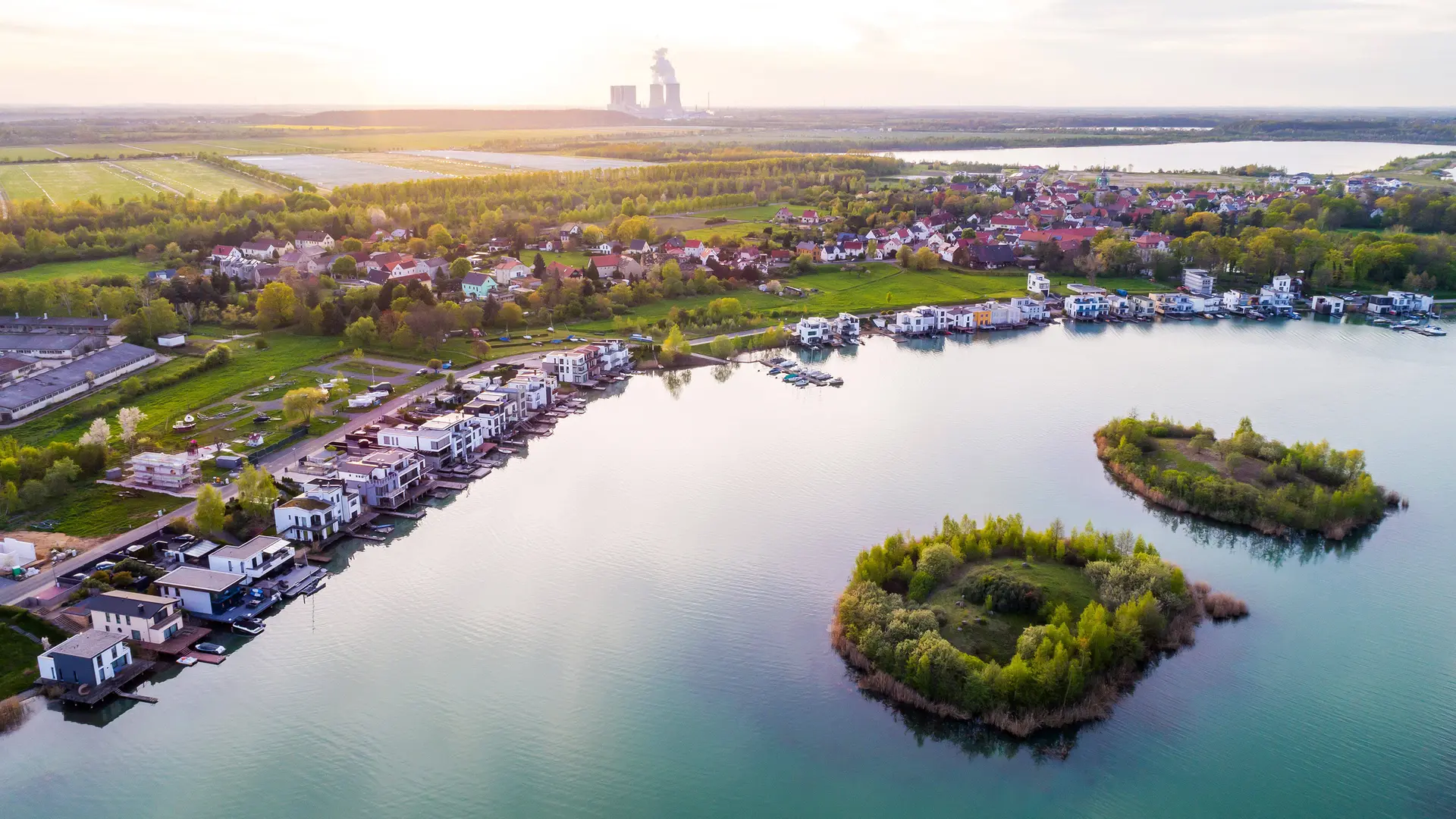
Domestic tourism in Germany remains a primary choice for travelers who prioritize short commute times and flexible planning. According to data from the German Tourism Association (Tourismusverband), a significant portion of the population continues to favor “staycations” and regional trips over long-haul international travel, a trend that accelerated during the COVID-19 pandemic and has persisted into the mid-2020s.
The shift toward domestic travel is driven by a combination of economic factors, environmental consciousness, and a desire for uncomplicated logistics. While the initial surge in camping and outdoor activities was a direct response to lockdown restrictions, current trends show a more permanent integration of regional exploration into German vacation habits.
Travelers are increasingly opting for destinations within their own federal states or neighboring regions to avoid the stress of airports and long-distance transit. This preference supports a diverse range of local infrastructures, from established campsites to boutique rural hotels and urban short-break rentals.
The Persistence of the Camping Boom
The popularity of camping in Germany saw a dramatic spike during the pandemic, but it has not returned to pre-2020 levels of indifference. Instead, camping has evolved into a mainstream leisure activity for a broader demographic. According to the Federal Statistical Office (Destatis), the demand for outdoor accommodations and mobile homes remains robust as consumers seek “nature-centric” experiences.
This trend is not limited to traditional tents. There is a growing market for “glamping”—glamorous camping—which blends the outdoor experience with hotel-style comforts. This segment appeals particularly to younger families and urban professionals who want the aesthetic of nature without sacrificing luxury, effectively bridging the gap between traditional camping and luxury hotel stays.
The ability to pivot plans quickly is a primary driver for this choice. With the rise of unpredictable global travel conditions and fluctuating airfares, the reliability of a domestic drive to the Baltic coast or the Bavarian Alps provides a level of psychological security that international flights cannot offer.
The Rise of the ‘Staycation’ and Regionalism
The concept of the “staycation”—spending vacations at home or in one’s immediate vicinity—has transitioned from a necessity of the pandemic era to a conscious lifestyle choice. Many Germans are now practicing “micro-adventuring,” which involves exploring overlooked sites within a 100-kilometer radius of their residence.
This regionalism is supported by a high density of cultural and natural attractions within Germany. From the Harz mountains to the Black Forest, the proximity of diverse landscapes allows travelers to experience varied environments without the carbon footprint of a long-haul flight. This alignment with sustainability goals is a key motivator for the Gen Z and Millennial cohorts, who increasingly weigh the environmental impact of their travel choices.
Local tourism boards have responded by enhancing “slow travel” infrastructure. This includes better-marked cycling paths and expanded regional rail connectivity, making it easier for residents to visit nearby cities or rural retreats without relying on private vehicles.
Economic Drivers and Consumer Behavior
Inflation and the rising cost of living in the Eurozone have influenced travel budgets. Domestic trips generally offer more predictable pricing than international journeys, where currency fluctuations and peak-season airline pricing can inflate costs rapidly. By choosing destinations within Germany, travelers can better control their spending on accommodation and dining.
Furthermore, the “uncomplicated arrival” mentioned in regional travel reports refers to the reduction of “travel stress.” The avoidance of passport controls, long security lines, and the risk of lost luggage makes domestic travel more attractive for families with children or elderly travelers.
The impact on the local economy is substantial. When spending shifts from Mediterranean resorts to German guesthouses and regional eateries, it redistributes tourism revenue into rural areas that were previously overlooked by the mass tourism industry. This has led to a revitalization of smaller towns and villages that are now investing in “experience-based” tourism, such as farm stays and artisanal workshops.
Comparing Domestic vs. International Preferences
While the love for domestic travel is strong, it exists alongside a recovery in international tourism. However, the nature of these trips has changed. Many Germans now split their annual leave between one major international trip and several smaller domestic getaways.
| Travel Factor | Domestic (Staycation/Camping) | International Travel |
|---|---|---|
| Planning Horizon | Short-term / Spontaneous | Long-term / Scheduled |
| Primary Driver | Convenience & Nature | Novelty & Culture |
| Cost Predictability | High | Moderate to Low |
| Environmental Impact | Lower (Regional) | Higher (Flight-based) |
This hybrid approach allows travelers to satisfy the urge for global exploration while maintaining the ability to disconnect and recharge in familiar, low-stress environments closer to home.
The next major data point for the industry will be the release of the 2025 summer travel forecasts from the German Tourism Association, which will indicate whether the “staycation” trend continues to grow or if international travel fully recaptures its pre-pandemic market share. Readers can monitor official tourism statistics via the German National Tourism Board (GNTB) for updated travel trends.
Do you prefer the ease of a staycation or the adventure of a long-haul trip? Share your experiences in the comments below.