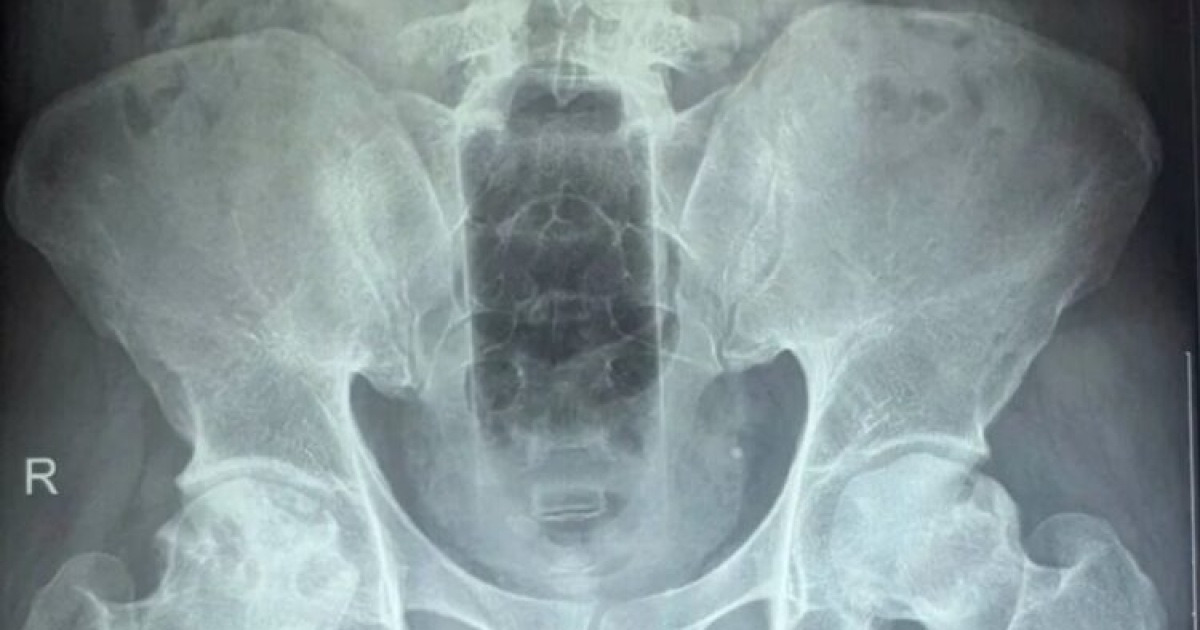
Medical professionals are increasingly highlighting the risks associated with the insertion of foreign objects into the body following a series of clinical cases involving household items, including a 20-centimeter plastic bottle that required surgical intervention to remove. These incidents, often categorized by emergency departments as foreign body ingestions or insertions, present significant risks of internal trauma, perforation, and severe infection. According to clinical guidance from the Mayo Clinic, any instance involving an object lodged in a bodily orifice necessitates immediate professional medical evaluation to prevent life-threatening complications.
Clinical Risks of Foreign Body Insertion
The insertion of rigid objects—such as plastic bottles or household containers—carries a high risk of mucosal damage and potential bowel perforation. When an object is too large or irregularly shaped, it can become suctioned or impacted, making manual removal by a patient impossible. Medical experts warn that attempts to remove such objects at home frequently result in further injury, as the object can be pushed deeper into the cavity or cause lacerations to delicate internal tissues. The National Center for Biotechnology Information (NCBI) notes that clinical management for such cases typically involves diagnostic imaging, such as X-rays or CT scans, to determine the exact location and orientation of the object before surgical or endoscopic retrieval is attempted.
Why Immediate Medical Care is Necessary
Delaying treatment in cases of foreign body obstruction significantly increases the risk of systemic infection, including sepsis, if the object causes a perforation. Furthermore, the psychological and physical discomfort associated with these incidents often leads patients to wait for symptoms to resolve on their own, which can exacerbate the medical crisis. Emergency physicians emphasize that hospitals are equipped to handle these situations with discretion and professional care. Seeking help early allows for the use of specialized tools, such as graspers or snares, which can often prevent the need for more invasive abdominal surgery. According to the American College of Surgeons, the primary goal in these emergency interventions is the safe extraction of the item while minimizing further trauma to the patient.

Prevention and Safety Awareness
Public health experts stress that safety awareness is the most effective way to prevent these types of non-accidental medical emergencies. Households are encouraged to keep potentially dangerous items out of reach and to recognize the importance of mental health support if individuals find themselves engaging in high-risk behaviors. If an incident does occur, the priority must be a swift transition to an emergency department. Patients should provide an honest account of the incident to medical staff, as this information is vital for determining the safest removal method and identifying any immediate risks of internal bleeding or organ damage.
What Happens During Clinical Intervention
When a patient arrives at an emergency room with a foreign object, the medical team typically follows a standardized protocol:

- Assessment: Vital signs are monitored, and the patient is questioned about the duration and nature of the incident.
- Imaging: Radiographic assessment is performed to identify the object’s size, shape, and position.
- Stabilization: If the patient is in pain or showing signs of shock, intravenous fluids and pain management are prioritized.
- Extraction: Depending on the object’s depth and the integrity of the surrounding tissue, doctors choose between non-invasive endoscopic removal or surgical intervention.
For those seeking further information on emergency medical safety or general health guidelines, the Centers for Disease Control and Prevention (CDC) provides comprehensive resources on injury prevention. If you or someone you know is in need of emergency medical assistance, please contact local emergency services immediately or proceed to the nearest hospital. We encourage our readers to share this information to promote public health awareness and safety.