
The narrative of England’s “Golden Generation” remains one of the most debated chapters in modern international football. For a period spanning the early 2000s, the England national team boasted a roster of world-class talent, including stars like Steven Gerrard, Frank Lampard, David Beckham, and Wayne Rooney. Despite the individual brilliance represented in the squad, the team failed to progress beyond the quarter-finals in three consecutive major tournaments: the 2002 and 2006 FIFA World Cups, and UEFA Euro 2004.
For football observers and analysts, the question of why this collection of elite players could not secure a major trophy is a persistent puzzle. As the 2006 FIFA World Cup in Germany stands as a focal point of this era, examining the structural and tactical challenges faced by the squad provides insight into the complexities of managing high-expectation environments in professional sports.
Tactical Balance and the Midfield Dilemma
A primary point of contention regarding the 2006 England squad was the tactical configuration of the midfield. The team featured two of the most prolific goal-scoring midfielders in Premier League history, Steven Gerrard and Frank Lampard. However, finding a system that allowed both to operate at their peak while maintaining defensive stability proved demanding for then-manager Sven-Göran Eriksson.
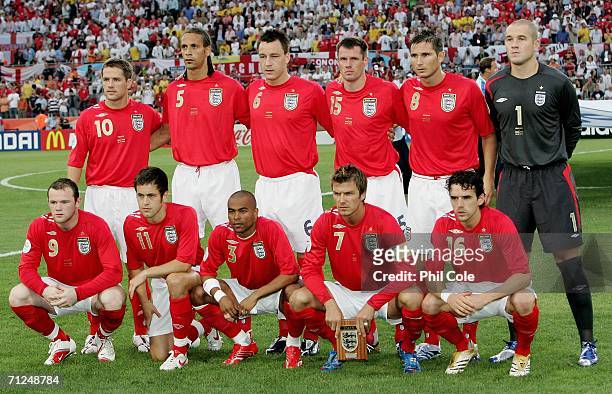
The attempt to accommodate multiple creative playmakers often led to a lack of equilibrium on the pitch. In international football, where tournament success frequently hinges on rigid organization and the ability to control the tempo of a game, England’s tactical setup was often criticized for being reactive rather than proactive. This struggle to balance attacking flair with midfield discipline remains a central theme in retrospective analyses of the team’s performance under the pressure of the knockout stages.
The Weight of Expectation and External Pressures
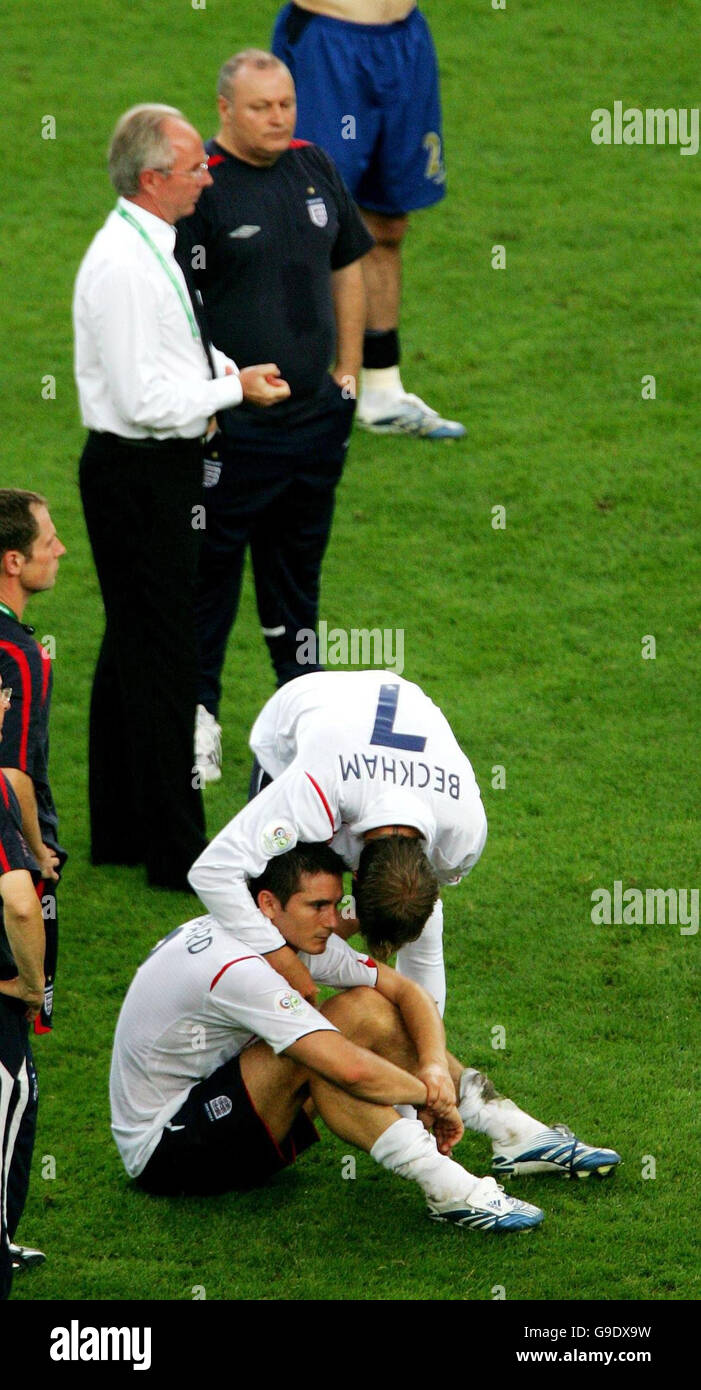
Beyond the tactical concerns, the “Golden Generation” operated under a microscope of intense media scrutiny. The English press and public held high expectations for a squad that dominated domestic leagues, yet the pressure to translate club success to the international stage often appeared to impact the team’s composure. The 2006 campaign, which ended in a penalty shootout defeat to Portugal in the quarter-finals, highlighted the psychological toll of these expectations.
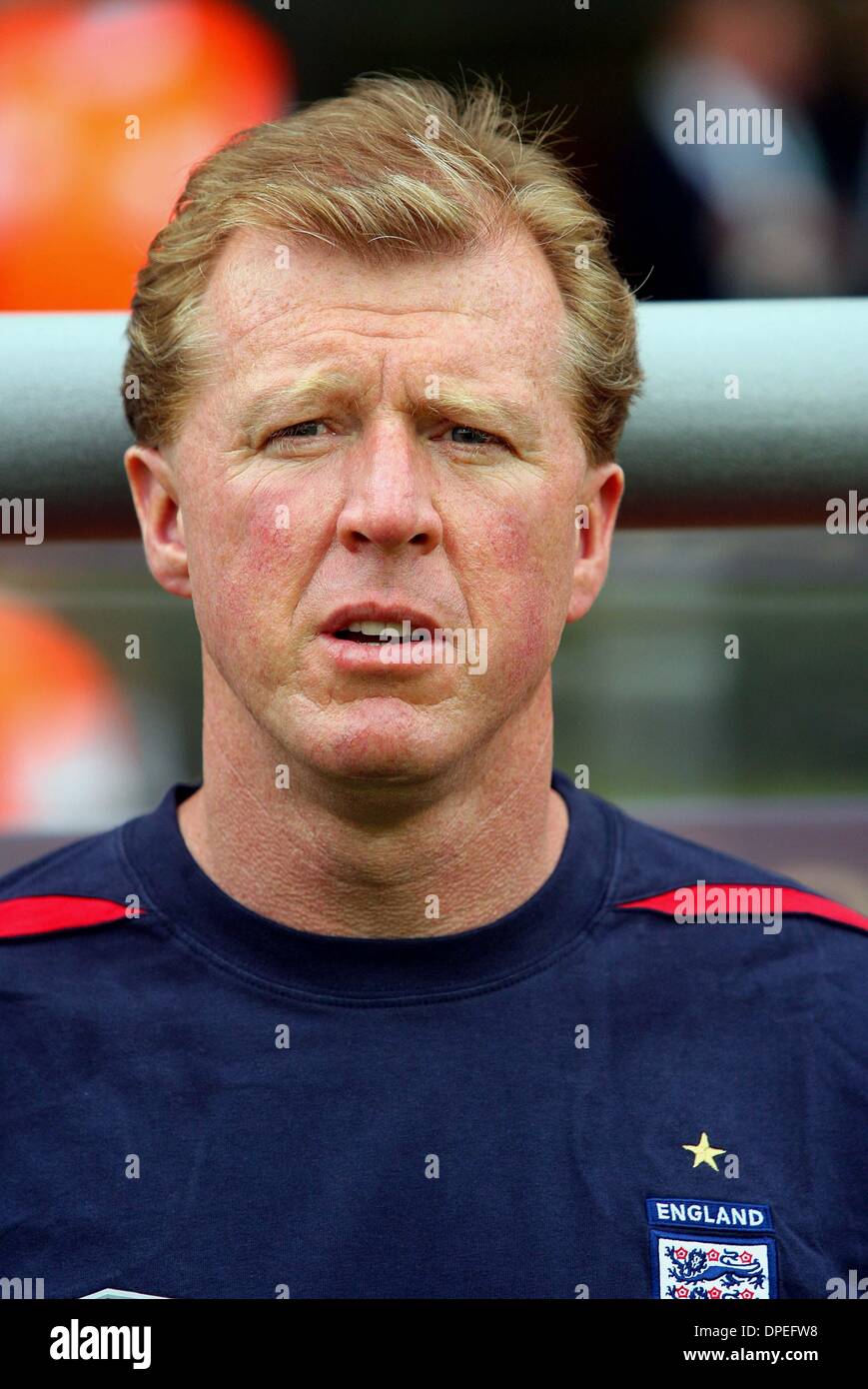
The challenges were not limited to the pitch. The intense media focus on the personal lives of the players, coupled with the high-profile nature of their club rivalries, created a challenging environment for team cohesion. While professional athletes are accustomed to pressure, the cumulative effect of external noise during tournament windows has been cited by various former players as a factor that hindered the group’s ability to function as a singular, unified unit.
Reflecting on a Legacy of “What Ifs”
In the years since the 2006 tournament, several members of that squad have reflected on the missed opportunities. The consensus among many former players is that the group possessed the necessary technical ability to win a major competition but lacked the strategic synergy required to navigate the unique demands of international tournament football. The failure to reach a semi-final or final during that era is often viewed as a cautionary tale regarding the difference between having a collection of stars and building a cohesive team.
The legacy of this period continues to influence how the Football Association (FA) approaches international tournament preparation today. Modern strategies emphasize not only talent identification but also the development of a consistent team identity and the psychological resilience required to perform in high-stakes environments. The lessons learned from the “Golden Generation” have informed subsequent efforts to ensure that future squads are better equipped to handle the unique pressures of the World Cup.
Key Factors in the Tournament Experience
- Tactical Rigidity: Difficulty in integrating world-class midfielders into a cohesive system.
- Psychological Pressure: The impact of sustained, high-intensity media and public scrutiny.
- Tournament Dynamics: The specific challenges of knockout-stage football, where marginal errors can lead to immediate elimination.
- Team Cohesion: The difficulty of balancing intense club-level rivalries within the national team setup.
As football continues to evolve, the story of England’s performance in the mid-2000s remains a subject of study for coaches, analysts, and fans alike. It serves as a reminder that in the world of elite sports, individual excellence is only one component of success. the ability to integrate that talent into a balanced, resilient, and focused unit is the true test of any national team.
Looking ahead, the England national team continues its preparation for future international cycles, with the 2026 FIFA World Cup representing the next major milestone for the squad. Fans and analysts will undoubtedly continue to draw parallels and contrasts as the team seeks to build on its more recent tournament experiences. We invite our readers to share their thoughts on this era of football history in the comments section below.
- Jack Draper Breaks Down in Tears During Canadian Open Loss to Terence Atmane
- Irish Ex-pats Shane Jackson and Tom Ryan Win Grand National Hurdle in Australia
- Qatar says drafts of potential US-Iran agreement are circulating (archyde.com)
- Dow Jumps 1,000 Points as Bessent Hints at Potential Iran Shipping Deal (time.news)