
The European Union faces significant structural and economic pressures that have prompted renewed debate over whether the continent must act like a country to maintain its global competitiveness. As the bloc grapples with fragmented capital markets, a widening productivity gap with the United States and China, and shifting geopolitical alliances, policymakers are weighing deeper integration as a mechanism for survival. According to the European Council, enhancing the European Single Market and completing the Capital Markets Union remain essential priorities to address these long-term economic challenges.
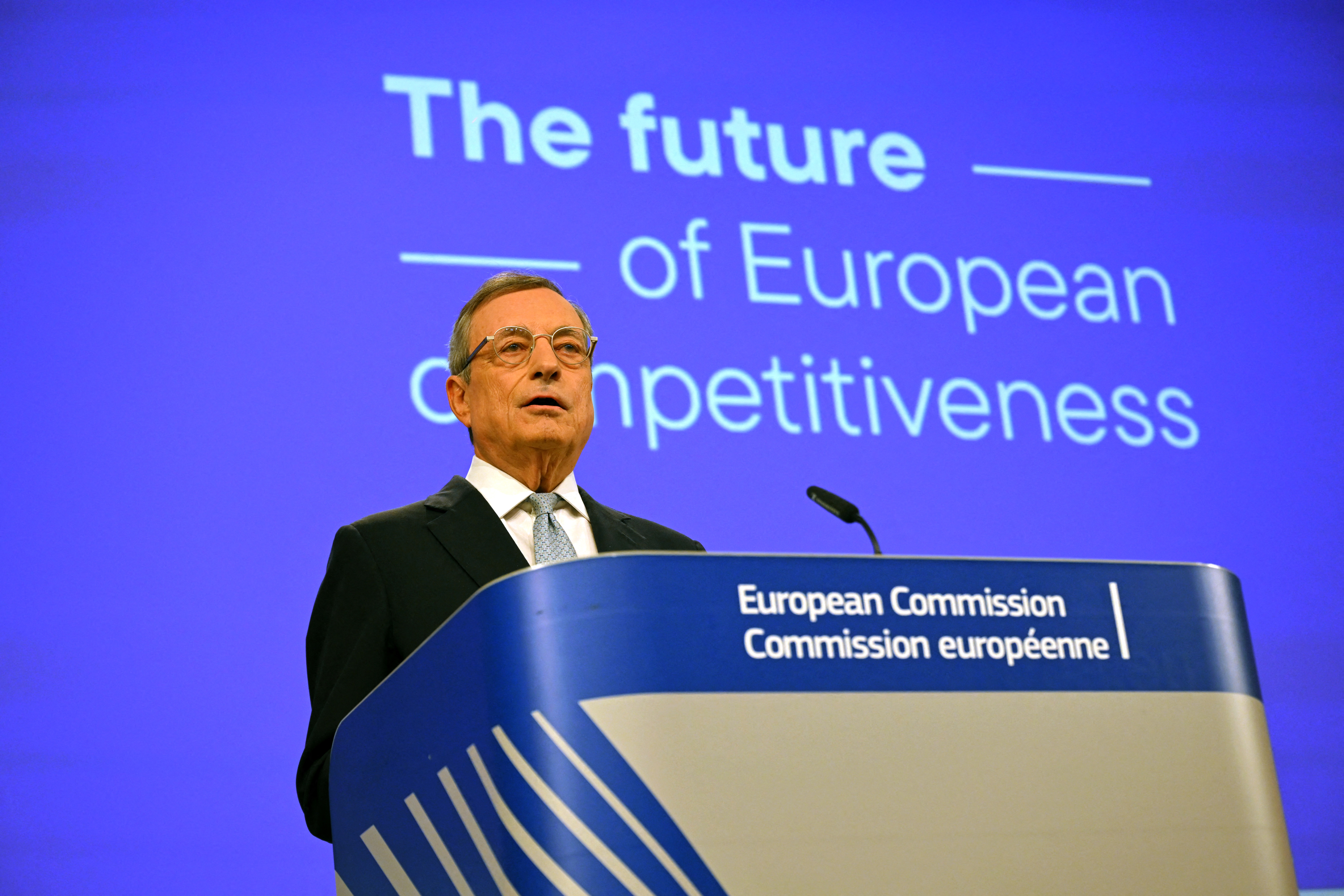
For the European Union to remain a significant player in the global economy, it must address its internal policy fragmentation. Former European Central Bank President Mario Draghi, in a recent report commissioned by the European Commission, emphasized that Europe faces a “slow agony” unless it can coordinate its industrial, energy, and defense policies on a continental scale. The Draghi Report, released in September 2024, argues that the EU currently suffers from a lack of scale, which prevents European companies from competing effectively against global giants that benefit from unified home markets.
The Structural Barriers to Continental Unity
The primary hurdle to acting as a unified economic entity is the EU’s institutional reliance on national consensus. Under the current Treaties of the European Union, many areas of fiscal and foreign policy require unanimous agreement among all 27 member states. This requirement often leads to protracted negotiations and the dilution of policy measures. Economists note that this decision-making structure leaves the bloc vulnerable to external shocks, as individual national interests frequently override the collective economic strategy.
The productivity gap is a measurable indicator of this fragmentation. Data from Eurostat indicates that since the early 2000s, the growth rate of labor productivity in the EU has consistently lagged behind that of the United States. Analysts point to the lack of a fully integrated capital market as a primary cause; while the U.S. benefits from a deep, unified pool of venture capital and investment, European savings often remain trapped within national borders, limiting the ability of startups to scale into global corporations.
Defense and Energy: The Case for Integration
The shift in the global security landscape has accelerated calls for a more unified approach to defense procurement. Following the full-scale invasion of Ukraine in 2022, the European Union has moved to bolster its collective defense industry. The European Defence Industrial Programme aims to incentivize member states to procure equipment jointly, reducing the duplication of weapon systems across the continent. This shift represents a departure from traditional national defense strategies toward a more collaborative, EU-level framework.
Energy policy presents a similar trajectory. The energy crisis triggered by the disruption of Russian gas supplies in 2022 forced the bloc to adopt the REPowerEU plan. According to the European Commission, this strategy was designed to end dependence on fossil fuels from Russia by diversifying supplies and accelerating the transition to renewable energy through coordinated infrastructure projects. These efforts demonstrate that when member states face existential threats, the EU is capable of acting with a degree of unity that resembles a singular state entity.
What Happens Next: The Path Toward 2025
The debate over deeper integration will likely dominate the European political agenda throughout 2025. The European Commission is expected to present further legislative proposals aimed at streamlining regulatory frameworks for cross-border businesses. These initiatives are intended to reduce the administrative burden on small and medium-sized enterprises, which constitute the backbone of the European economy.
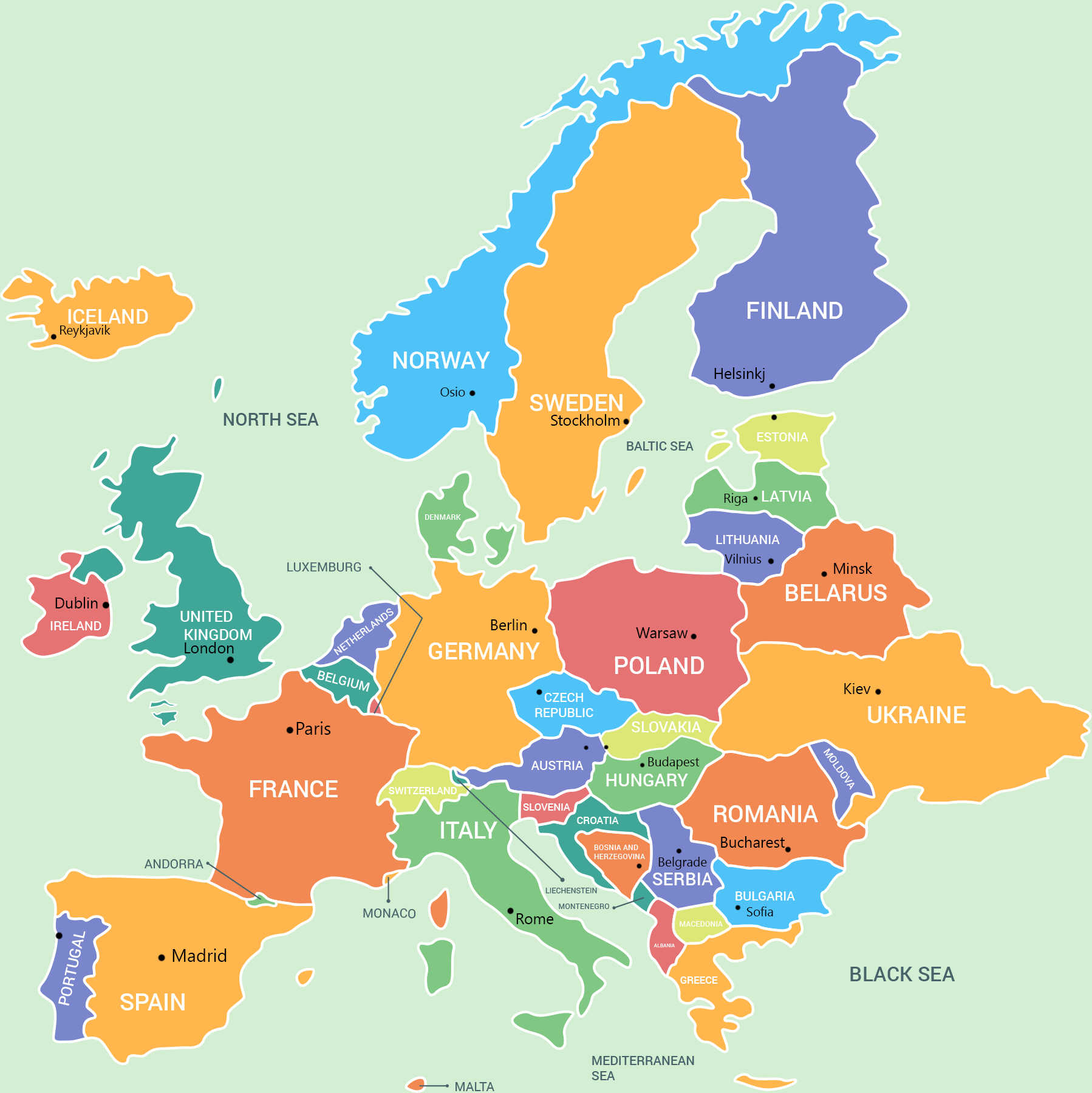
Observers are closely watching the upcoming meetings of the European Council, where heads of state will discuss the implementation of the competitiveness agenda outlined in the Draghi report. While some member states remain wary of surrendering further sovereignty to Brussels, the consensus among major economic powers in the bloc appears to be shifting toward the necessity of “strategic autonomy.” Whether this political will translates into binding legislation remains the central question for the future of the European project.
The next official progress report on the Capital Markets Union is scheduled for review by the European Parliament in early 2025. Readers are encouraged to monitor updates from the European Parliament Newsroom for the latest developments regarding fiscal and industrial policy. Please share your thoughts on the future of European integration in the comments section below.
Related reading