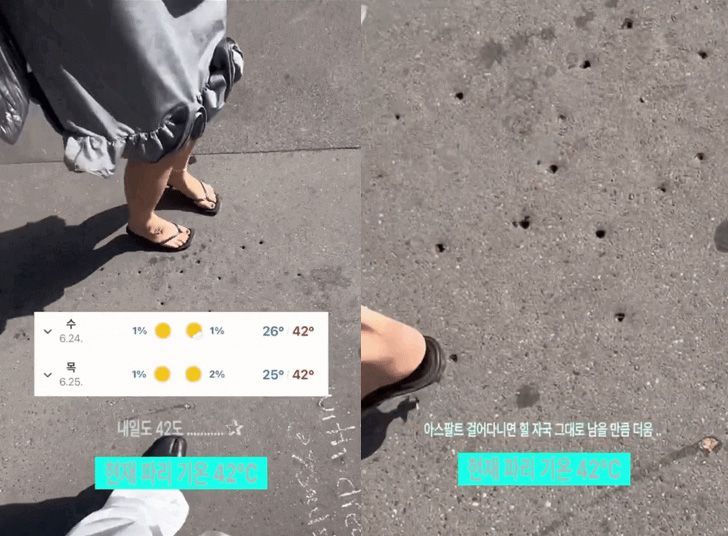
Record-breaking heat waves across France are forcing a shift in infrastructure and lifestyle, as urban environments struggle to cope with temperatures that have rendered traditional cooling methods insufficient. While recent reports highlight instances of asphalt softening under extreme thermal stress, the broader crisis stems from a systemic lack of climate-resilient architecture, with residential air conditioning penetration remaining at a 20% level in Europe.
The current meteorological trend, characterized by longer, more intense heat events, has pushed European cities to confront the limitations of 19th and 20th-century design. As temperatures frequently exceed historical averages, the reliance on passive cooling—such as shutters and thick masonry—is increasingly proving inadequate for public health and infrastructure stability. This transition represents a significant challenge for policymakers who must balance energy efficiency mandates with the urgent need for cooling solutions.
Infrastructure Under Thermal Stress
The physical degradation of urban surfaces, such as asphalt deformation, serves as a visible indicator of prolonged heat exposure. Civil engineering experts note that standard bitumen-based road surfaces are typically designed for specific temperature ranges; when those thresholds are exceeded for extended periods, the material loses its structural integrity. These extreme events are becoming more frequent, leading to increased maintenance costs and potential hazards for transit systems.
Beyond the surface, the heat-island effect in dense urban centers exacerbates the impact. Buildings constructed decades ago were designed to retain heat for winter efficiency, creating a “thermal trap” during summer months. Official assessments confirm that the last decade has seen an unprecedented climb in mean temperatures across the continent, necessitating a reassessment of urban planning codes to include more green spaces and reflective materials.
The Cooling Gap in European Households
A primary point of divergence between Europe and other regions, such as North America or East Asia, is the low prevalence of mechanical air conditioning in private residences. Unlike regions where cooling is considered a baseline requirement, European households have historically relied on natural ventilation. Air conditioning ownership in Europe remains at a 20% level in the residential sector.
This “cooling gap” presents a significant public health risk, particularly for vulnerable populations such as the elderly. During heat waves, mortality rates in urban areas often show a marked increase. The challenge for local governments is to improve access to cooling without triggering a surge in electricity demand that could destabilize aging power grids or contradict carbon-neutrality goals.
Adapting to a New Climate Reality
As governments move toward long-term adaptation, the focus is shifting toward “passive-first” strategies. This includes the implementation of mandatory energy-performance certificates for buildings and the retrofitting of public spaces with heat-resistant materials. The ongoing updates to the Energy Performance of Buildings Directive aim to incentivize the adoption of heat pumps, which provide both heating and cooling, as a cleaner alternative to traditional air conditioning units.
However, the economic barrier remains high for many homeowners. The cost of retrofitting older homes to meet modern thermal standards can be prohibitive without significant state subsidies. While some nations have introduced “cool roof” initiatives and expanded urban tree canopies to mitigate the heat-island effect, the pace of these changes often lags behind the rate of temperature increases documented by climatologists.
Looking Ahead: Policy and Preparedness
The next major checkpoint for European climate policy involves the implementation phase of the European Green Deal, which provides the framework for national adaptation strategies. Member states are expected to report on their progress toward heat-resilience targets in the coming biennial updates to the European Commission. These filings will outline specific funding allocations for public cooling centers, urban greening projects, and infrastructure hardening.
For residents, the current summer season serves as a benchmark for local authorities to assess the efficacy of emergency heat protocols. Officials continue to advise that residents monitor public health advisories and utilize government-designated “cool zones” during peak temperature hours. Please share your thoughts in the comments section below or join the discussion on our social channels regarding how your local community is adapting to these changing weather patterns.
Worth a look
- Lindsay Clancy Trial: Understanding Postpartum Psychosis and Maternal Mental Health
- Trump Appeals to Supreme Court Over White House Ballroom Project
- Europe Wildfires Force Thousands to Flee Amid Record Heatwave (archynewsy.com)
- Europe Battles New Wave of Wildfires Amid Extreme Heatwaves (world-today-news.com)