
Rising costs in the gaming sector are increasingly positioning high-end hardware as a luxury commodity, as consumers face a convergence of supply chain constraints, inflationary pressure, and the surging demand for artificial intelligence components. Industry analysts note that the competition for semiconductor capacity has shifted pricing dynamics for both personal computers and next-generation consoles, making the hobby significantly more expensive for the average user compared to previous hardware cycles.
According to market research from ComputerBase, the semiconductor industry is experiencing a notable increase in the cost of memory components, specifically NOR-Flash and SLC-NAND. These specialized memory types are essential for modern hardware, and their rising price points are directly influencing the bill of materials for manufacturers. As these costs scale, they are frequently passed down to the end consumer, leading to higher retail prices for gaming-capable PCs and peripherals.
The Impact of Artificial Intelligence on Hardware Availability
The primary driver behind the current hardware crunch is the unprecedented demand for AI-specific chips. As major technology firms invest heavily in data centers and machine learning infrastructure, the manufacturing capacity at major foundries—such as TSMC—is being prioritized for high-performance computing (HPC) and AI accelerators. This shift has created a supply bottleneck for the gaming industry.

The PC Games Hardware (PCGH) editorial team has reported that this “AI boom” is effectively crowding out traditional consumer electronics. Because AI hardware often commands higher profit margins for chip designers, manufacturers are allocating limited wafer starts away from gaming-grade GPUs and CPUs. This reallocation creates scarcity, which in turn sustains higher price floors in the retail market. For gamers, this means that even mid-range components are seeing less frequent price drops, as the fundamental cost of production remains elevated due to this competitive demand.
Rising Costs for Consoles and PC Upgrades
The hardware landscape for consoles—including the PlayStation 5, Xbox Series X, and the anticipated successor to the Nintendo Switch—is similarly affected by these macroeconomic pressures. Unlike previous generations, where hardware prices tended to depreciate significantly over time, current models have maintained higher price tags for longer durations.
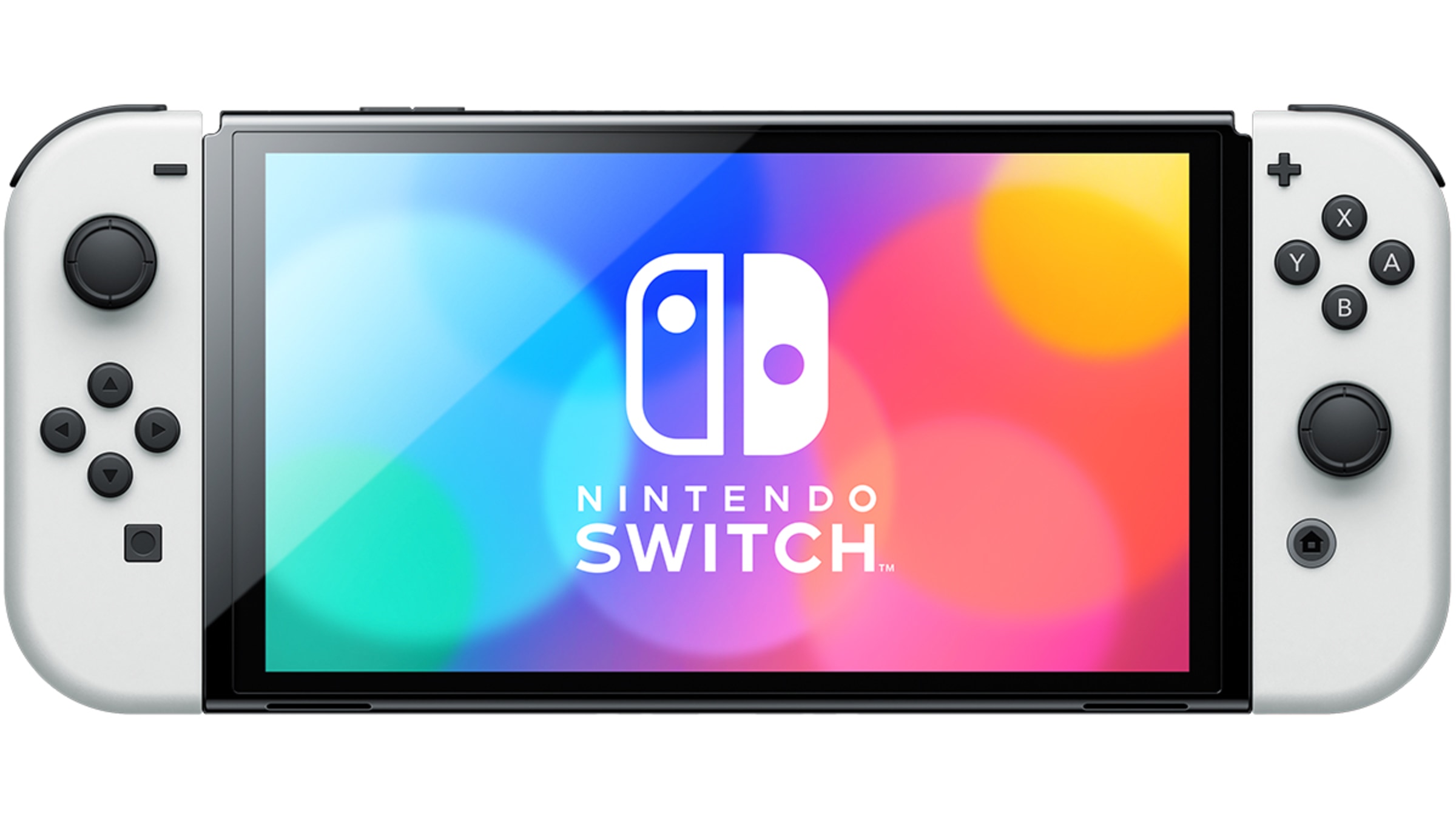
Market observers suggest that the days of rapid, aggressive price cuts for consoles may be behind us. As noted by industry commentators, the rising costs of raw materials and logistics mean that hardware manufacturers are operating on thinner margins than in the past. Consequently, consumers are seeing “luxury pricing” even for standard hardware iterations. For those planning to upgrade their setups, experts generally advise that waiting for substantial price reductions may no longer be a reliable strategy, as the underlying cost of components like NAND flash memory continues to trend upward.
Strategic Considerations for Consumers
For the average gamer, navigating this environment requires a shift in purchasing behavior. With component prices unlikely to return to historical lows in the near term, many users are opting to extend the lifecycle of their current hardware rather than pursuing full system upgrades. This trend is supported by data indicating that software developers are increasingly focused on optimizing titles for a wider range of hardware specifications, recognizing that the barrier to entry for “ultra-high” settings has risen.
To stay informed on market conditions, consumers are encouraged to monitor quarterly earnings reports from major semiconductor manufacturers and hardware vendors. These documents, typically filed with the U.S. Securities and Exchange Commission (SEC), often provide the most transparent view of how supply chain constraints and memory pricing are expected to evolve in the coming fiscal periods.
Future Market Outlook
The trajectory for gaming hardware pricing remains tied to the broader semiconductor cycle. While some analysts suggest that capacity expansions for memory and logic chips may eventually alleviate pressure, the immediate outlook for 2024 and 2025 remains characterized by high costs. As the industry moves toward more complex architectures, the “cost per performance” metric is being challenged by the sheer expense of the silicon required to power modern games.

The next major checkpoint for the industry will be the upcoming earnings calls for the third quarter of 2024, where companies like NVIDIA, AMD, and Intel will provide updated guidance on supply chain health and consumer demand. Readers interested in tracking these developments can follow official investor relations pages for these corporations. We invite our readers to share their own experiences with hardware pricing in the comments section below.