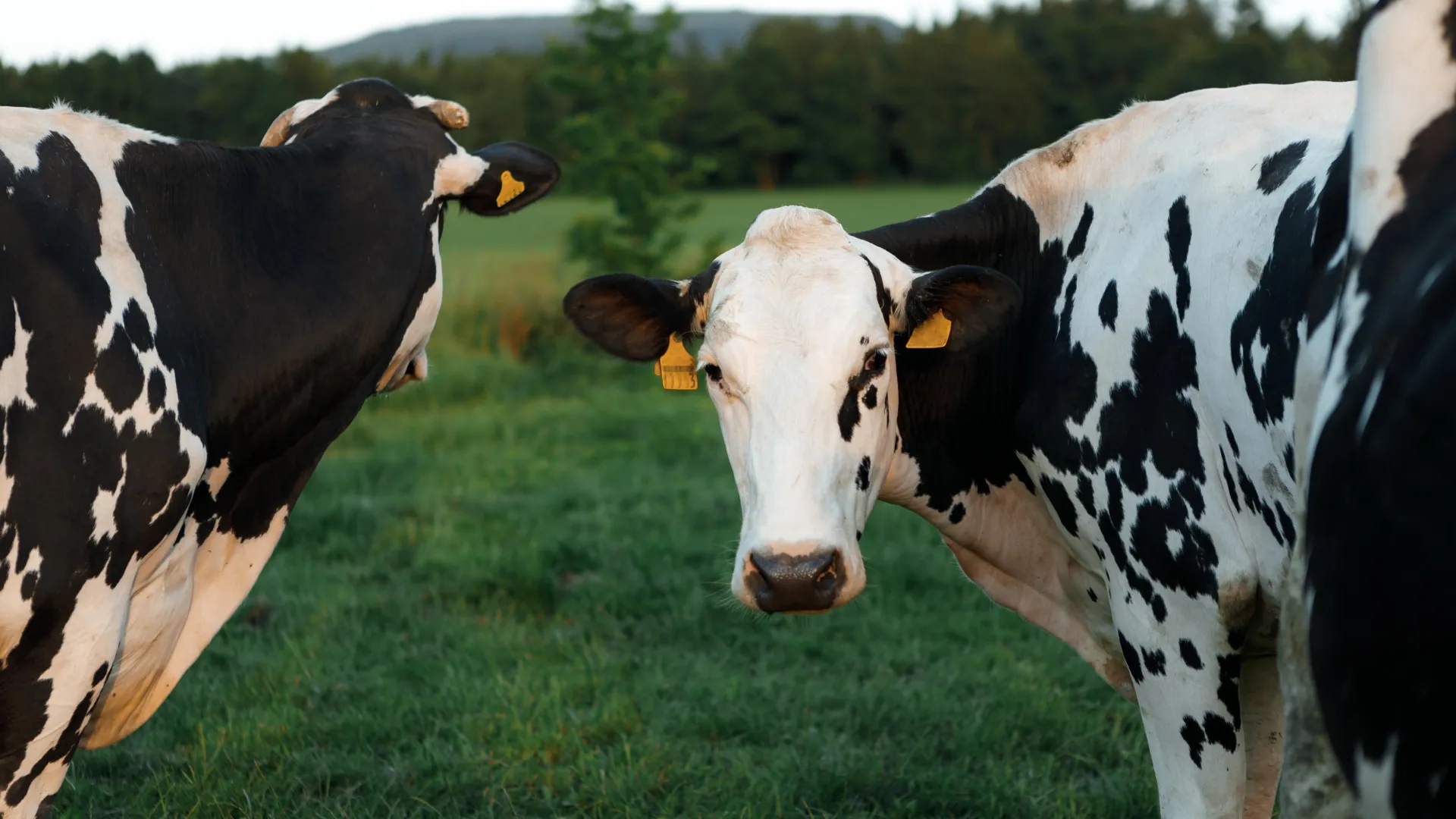
Scientists have identified why the H5N1 strain of highly pathogenic avian influenza primarily targets the mammary tissue of dairy cows rather than their respiratory systems. Recent research confirms that bovine mammary glands are densely populated with specific sialic acid receptors, which serve as the preferred entry point for the virus. This discovery explains the unusual clinical presentation of the H5N1 outbreak in U.S. dairy cattle, where high viral concentrations are consistently found in raw milk.
The findings, published in the journal Nature, provide a clearer picture of how the virus adapted to a new host species. According to the research team led by scientists at the University of Wisconsin-Madison and Texas A&M University, the virus exploits a specific type of receptor—known as alpha 2,3-linked sialic acids—that is highly abundant in the udders of cows but relatively sparse in their upper respiratory tracts. This anatomical preference explains why infected cattle often exhibit a sharp drop in milk production and changes in milk appearance, rather than the severe respiratory distress typically associated with avian influenza in birds.
The Mechanism of Viral Tropism in Bovine Tissue
Understanding viral tropism—the ability of a virus to infect specific cells—is essential for tracking the spread of H5N1. In the current outbreak, which the U.S. Department of Agriculture (USDA) began monitoring in early 2024, the localized infection in the mammary glands has become a focal point for public health officials. The research indicates that while the virus can infect the respiratory tract, it replicates with significantly higher efficiency in mammary tissue. This high viral load in milk is a primary driver of transmission between cows, likely facilitated by the mechanical processes of milking equipment.
The USDA has tracked the spread of the virus across multiple states, noting that the virus is distinct from earlier avian-origin strains. As of the latest USDA Animal and Plant Health Inspection Service (APHIS) dashboard, H5N1 has been confirmed in dairy herds across several states, necessitating ongoing surveillance of both animal and human health. The concentration of receptors in the udder provides a biological explanation for why the virus has persisted in dairy operations despite standard biosecurity measures.
Implications for Public Health Surveillance
This breakthrough in understanding receptor distribution offers a new tool for predicting how H5N1 might evolve. By identifying the specific cellular “locks” that the virus uses to enter cells, researchers can better assess the risk of further adaptation. Public health experts emphasize that while the current risk to the general public remains low, the ability of the virus to maintain high levels in raw milk requires strict adherence to food safety guidelines.

The U.S. Food and Drug Administration (FDA) continues to emphasize that pasteurization remains effective at inactivating the H5N1 virus. Because the virus is sensitive to heat, the commercial milk supply remains safe for consumption, provided that dairy products are pasteurized. The research published in Nature reinforces the importance of this safety measure, as it confirms that the virus is physically present in the raw product at high titers.
Addressing Future Zoonotic Risks
The ability to map these receptors across different species helps scientists identify “bridge” species that could potentially facilitate the virus moving from birds to mammals and, eventually, to humans. By comparing the receptor distribution in cows to that of other livestock, researchers hope to stay ahead of the virus’s trajectory. This type of molecular surveillance is a key component of the One Health approach, which integrates animal, human, and environmental health data to prevent future pandemics.
Ongoing studies are now shifting focus toward whether these receptor patterns are consistent across different breeds of cattle or if specific genetic traits might provide natural resistance. Authorities are also monitoring for any signs that the virus is acquiring mutations that could increase its affinity for human-type receptors, which are found in the human respiratory tract. As of the most recent report from the Centers for Disease Control and Prevention (CDC), human cases of H5N1 associated with the dairy outbreak have been limited to individuals with direct, close contact with infected animals, and the virus has not demonstrated sustained human-to-human transmission.
Next Steps in Monitoring
The scientific community is currently prioritizing the development of diagnostic tools that can more rapidly detect the presence of the virus in bulk milk tanks. This would allow for faster identification of infected herds before clinical symptoms become apparent in the cows. Furthermore, the USDA, in collaboration with state agricultural departments, is continuing to refine its testing protocols to ensure that dairy operations can maintain safety while managing the risk of exposure.

Researchers are also expected to provide updates on their findings during upcoming veterinary and virology conferences scheduled for late 2024. For those interested in the latest official data, the CDC Bird Flu Current Situation Summary provides the most up-to-date information on human health impacts, while the APHIS website maintains the latest count of confirmed animal infections. We encourage readers to share this information and stay informed through these verified government portals. If you have questions regarding the latest findings or how they impact agricultural safety, please leave a comment below for further discussion.
Keep reading