
Success is often measured by external markers: the prestigious job title, the rapid promotion, the accolades, and the mounting responsibilities. Yet, for a significant number of high achievers, these milestones do not trigger a sense of accomplishment. Instead, they trigger a mounting sense of dread. Behind the polished veneer of professional excellence, many individuals are haunted by a persistent, corrosive thought: “I am a fraud, and soon, everyone will find out.”
This psychological phenomenon, widely known as imposter syndrome, is not merely a bout of “imposterism” or occasional self-doubt. We see a complex pattern of internal experience that can trap even the most capable professionals in a cycle of anxiety and overcompensation. As a physician and health journalist, I have observed that the cost of this phenomenon is rarely just emotional; it manifests in measurable physical health declines, professional burnout, and significant long-term career limitations.
To truly address the “hidden cost” of imposter syndrome, we must move beyond the superficial advice of “just being more confident.” We must understand the neurological and psychological mechanisms at play, the systemic factors that exacerbate these feelings, and the evidence-based interventions required to dismantle this internal architecture of doubt.
Defining the Phenomenon: More Than Just Self-Doubt
It is crucial to clarify a common misconception: imposter syndrome is not a clinical diagnosis. It is not listed in the Diagnostic and Statistical Manual of Mental Disorders (DSM-5). Rather, it is a psychological pattern or “phenomenon” characterized by an inability to internalize success. Despite clear, objective evidence of competence—such as high grades, professional awards, or successful project completions—those experiencing it remain convinced that they have somehow deceived others into believing they are capable.
The concept was first formally identified in 1978 by psychologists Dr. Pauline Clance and Dr. Suzanne Imes. Their research suggested that certain high-achieving individuals—initially studied among women—experienced a persistent fear of being exposed as “intellectual frauds.” Since then, research has expanded to show that this experience is prevalent across all genders, ethnicities, and professional sectors, though certain demographic groups may experience it more acutely due to systemic biases and lack of representation in high-status roles.
At its core, imposter syndrome involves several distinct cognitive distortions. These include perfectionism (setting unattainable standards and viewing anything less than perfection as a failure), overworking (using extreme effort as a way to “compensate” for perceived inadequacy), and luck attribution (dismissing achievements as the result of timing, chance, or social connections rather than skill and merit).
The Psychological Cycle of the ‘Imposter’
The most damaging aspect of imposter syndrome is its cyclical nature. When an individual faces a new challenge, the imposter mindset typically triggers one of two maladaptive coping mechanisms: over-preparation or procrastination followed by frantic effort.
If the individual chooses over-preparation, they might spend excessive hours researching, practicing, or perfecting a task to an extreme degree. While this often leads to a successful outcome, the individual does not credit their talent. Instead, they tell themselves, “I only succeeded because I worked twice as hard as everyone else.” This reinforces the belief that their natural ability is insufficient. The bar for the next task is set even higher, increasing the pressure and the likelihood of future anxiety.
Conversely, some may fall into the trap of procrastination. The fear of being “found out” becomes so paralyzing that the individual delays starting the task. When the deadline looms, they complete the work in a state of high-stress panic. The eventual success is then attributed to “luck” or “last-minute adrenaline,” further cementing the idea that they are not truly competent. This cycle creates a perpetual state of high-cortisol stress, which is detrimental to both mental and physical health.
The Hidden Toll: Impact on Mental and Physical Health
The “hidden cost” mentioned in clinical discussions often refers to the physiological and psychological erosion that occurs when an individual lives in a constant state of perceived inadequacy. We cannot view imposter syndrome in isolation from its impact on the human body.
1. Chronic Stress and the Cortisol Connection
Living with the constant threat of “exposure” keeps the body in a state of heightened sympathetic nervous system activation—the “fight or flight” response. Chronic elevation of cortisol, the body’s primary stress hormone, is linked to a host of health issues, including hypertension, weakened immune function, and sleep disturbances. For the high performer, the workplace becomes a source of chronic physiological stress rather than a venue for growth.
2. Burnout and Professional Exhaustion
The tendency to over-prepare or over-work as a defense mechanism is a direct pathway to burnout. When an individual feels they must work twice as hard as their peers just to “stay level,” they quickly deplete their cognitive and emotional reserves. This leads to the hallmark symptoms of burnout: emotional exhaustion, depersonalization (feeling detached from one’s work), and a diminished sense of personal accomplishment.
3. Anxiety and Depressive Disorders
While imposter syndrome is not a mental illness itself, it is a significant risk factor for developing clinical anxiety and depression. The persistent self-criticism and the inability to experience joy in one’s achievements can lead to a pervasive sense of hopelessness and generalized anxiety. The cognitive load required to maintain a “façade” of competence is immense, often leading to social withdrawal and increased psychological distress.
Breaking the Cycle: Evidence-Based Strategies for Recovery
Breaking free from imposter syndrome requires more than positive thinking; it requires active cognitive restructuring and behavioral changes. As a medical professional, I recommend approaches rooted in Cognitive Behavioral Therapy (CBT), which focuses on identifying and challenging the distorted thought patterns that fuel the phenomenon.
- Externalize the “Imposter”: Instead of identifying with the doubt, treat it as an external voice. When the thought “I don’t belong here” arises, reframe it as “I am experiencing an imposter thought.” This creates psychological distance, allowing you to examine the thought objectively rather than accepting it as absolute truth.
- Fact-Checking Your Success: When you attribute a win to “luck,” force yourself to write down the specific actions, skills, and decisions you made that contributed to that outcome. Moving from subjective feeling to objective evidence is a powerful tool in dismantling cognitive distortions.
- Embrace “Good Enough” (Targeted Perfectionism): Perfectionism is often the fuel for imposterism. Practice setting realistic, high-quality—but not flawless—standards. Learning to accept “optimal” rather than “perfect” can reduce the cognitive load and the fear of failure.
- Seek Mentorship and Vulnerability: One of the most effective ways to realize you are not alone is to speak about these feelings with trusted mentors or peers. Often, you will find that the very people you admire also struggle with these thoughts. Normalizing the experience reduces its power.
The Role of Organizational Culture and Psychological Safety
While much of the focus on imposter syndrome is placed on individual coping, it is imperative to recognize that the workplace environment plays a significant role. Organizations that foster a culture of psychological safety—a term popularized by Harvard researcher Amy Edmondson—can significantly mitigate these feelings among their employees.
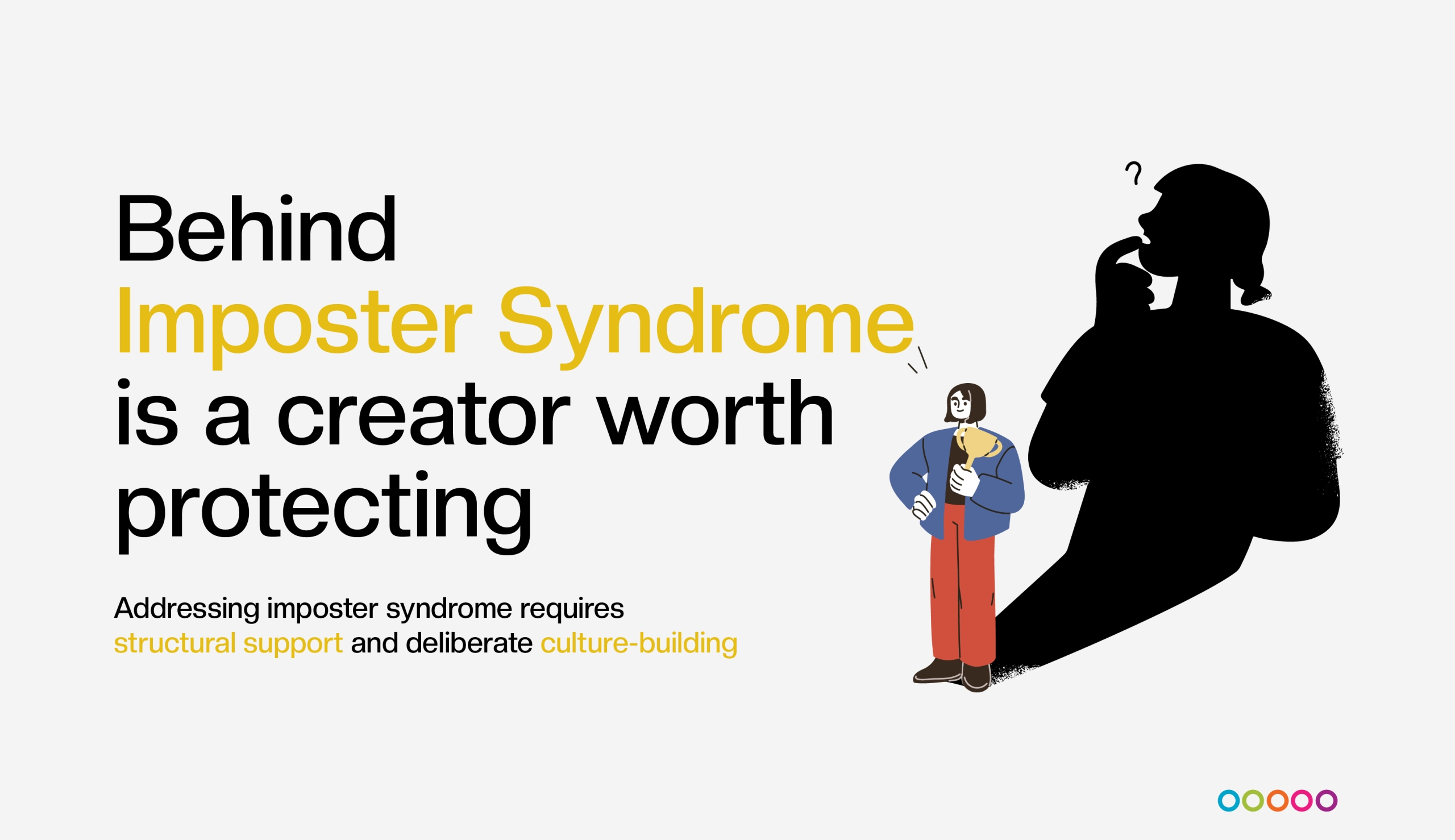
Psychological safety is the belief that one will not be punished or humiliated for speaking up with ideas, questions, concerns, or mistakes. In environments where mistakes are treated as learning opportunities rather than evidence of incompetence, the “fear of exposure” is naturally diminished. Leaders can cultivate this by:
- Modeling Vulnerability: When senior leaders openly discuss their own challenges and learning curves, it signals to the rest of the organization that perfection is not the baseline for success.
- Decoupling Mistakes from Worth: Implementing systems that focus on “blameless post-mortems” after errors allows teams to focus on process improvement rather than individual finger-pointing.
- Providing Clear, Objective Feedback: Ambiguity in performance reviews can fuel imposterism. Regular, specific, and evidence-based feedback helps individuals anchor their self-perception in reality rather than speculation.
Key Takeaways
- It is a phenomenon, not a diagnosis: Imposter syndrome is a pattern of self-doubt, not a clinical mental disorder.
- The “High-Achiever Paradox”: Success often triggers more doubt rather than less, due to increased comparison and higher perceived stakes.
- Physical health is at risk: Chronic imposterism can lead to elevated cortisol, burnout, and increased risk of anxiety and depression.
- Cognitive restructuring is key: Moving from “luck attribution” to “evidence-based achievement” is essential for breaking the cycle.
- Culture matters: Psychological safety in the workplace can reduce the prevalence and impact of these feelings.
Frequently Asked Questions
Q: Can imposter syndrome go away?
A: While it may not disappear entirely, it can be managed. The goal is to reach a point where these thoughts no longer dictate your behavior or impact your mental health.
Q: Is imposter syndrome the same as low self-esteem?
A: Not exactly. Low self-esteem is a general sense of inadequacy across many areas of life. Imposter syndrome is specifically tied to performance and the fear of being “found out” despite evidence of competence.
Q: When should I seek professional help?
A: If your feelings of inadequacy are causing significant distress, interfering with your ability to work, or contributing to symptoms of anxiety or depression, consulting a licensed mental health professional is highly recommended.
Note: If you are experiencing persistent feelings of anxiety or distress related to your professional life, please consult a qualified healthcare provider or mental health professional to develop a personalized management plan.
What are your thoughts? Have you ever experienced the “imposter” feeling despite your achievements? How have you managed it? Share your experiences in the comments below and join the conversation.
Worth a look