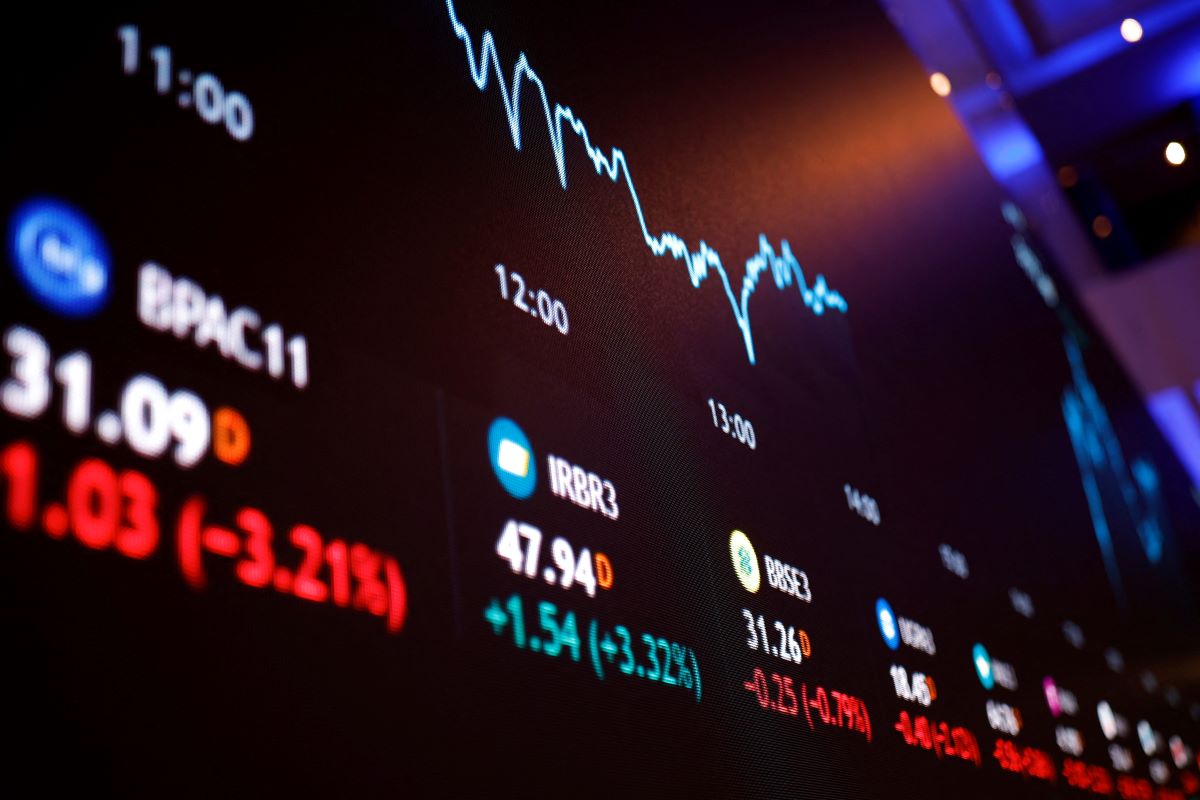
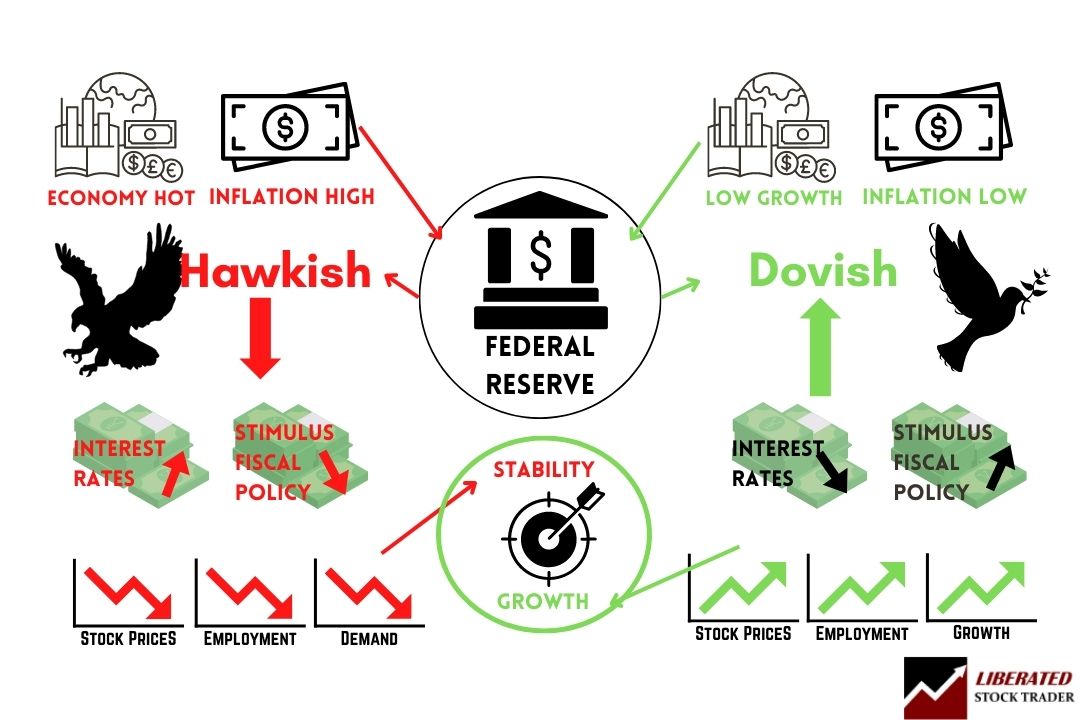
The Brazilian Ibovespa index swung from an early 1% gain to a notable decline after signals from the U.S. Federal Reserve regarding interest rate hikes triggered volatility in emerging markets. As the Federal Reserve signaled a more hawkish monetary policy stance, the U.S. dollar strengthened against the Brazilian Real, climbing to approximately R$ 5.11.
The reversal in the Brazilian stock market occurred following communications from U.S. Federal Reserve officials, which suggested that interest rates may remain elevated or increase further to combat inflation. This shift in U.S. monetary policy expectations prompted investors to reassess risk in emerging economies, leading to a sell-off in Brazilian equities and a flight to the safety of the U.S. dollar.
How Federal Reserve signals impacted the Ibovespa
Market participants observed a sharp reversal in the Ibovespa’s trajectory after the Federal Reserve indicated that higher interest rates might be necessary for a longer duration. According to reports from InfoMoney and UOL Economia, the index had initially climbed by 1% during the early session before succumbing to downward pressure.
The mechanism behind this volatility lies in the interest rate differential between the United States and emerging markets like Brazil. When the Federal Reserve signals higher rates, U.S. Treasury yields typically rise, making dollar-denominated assets more attractive to global investors. This often leads to capital outflows from emerging markets as investors seek the perceived safety and higher returns of U.S. debt. This movement directly impacts the Ibovespa, as increased capital flight puts downward pressure on local stock valuations.
Financial analysts noted that the “new Fed” sentiment—referring to the current hawkish direction of the central bank—has become a primary driver of global market sentiment. This shift forces investors to move away from “risk-on” assets, such as Brazilian equities, toward “risk-off” assets, primarily the U.S. dollar and government bonds.
The surge of the U.S. dollar in Brazil
The strengthening of the U.S. dollar was a significant component of the market’s downward turn. As the Ibovespa lost its gains, the dollar rose to hit levels between R$ 5.10 and R$ 5.11. This appreciation of the greenback against the Brazilian Real reflects the broader trend of capital moving toward the United States in response to Fed policy.
A stronger dollar often presents challenges for the Brazilian economy. According to economic data, a depreciated Real can increase the cost of imports, which may contribute to domestic inflationary pressures. This creates a complex cycle for the Central Bank of Brazil, as it must balance domestic economic growth with the need to maintain an attractive interest rate to prevent further currency depreciation.
The impact on the exchange rate was immediate following the Fed’s signal. Traders adjusted their positions, contributing to the rapid climb of the dollar past the R$ 5.10 threshold, as reported by various financial news outlets including istoedinheiro.com.br.
Understanding the ‘Superquarta’ market volatility
The market volatility coincided with what is locally referred to as “Superquarta” (Super Wednesday) in Brazil. This term describes a Wednesday when a high volume of critical economic indicators and central bank decisions are released simultaneously, creating a high-stakes environment for traders.
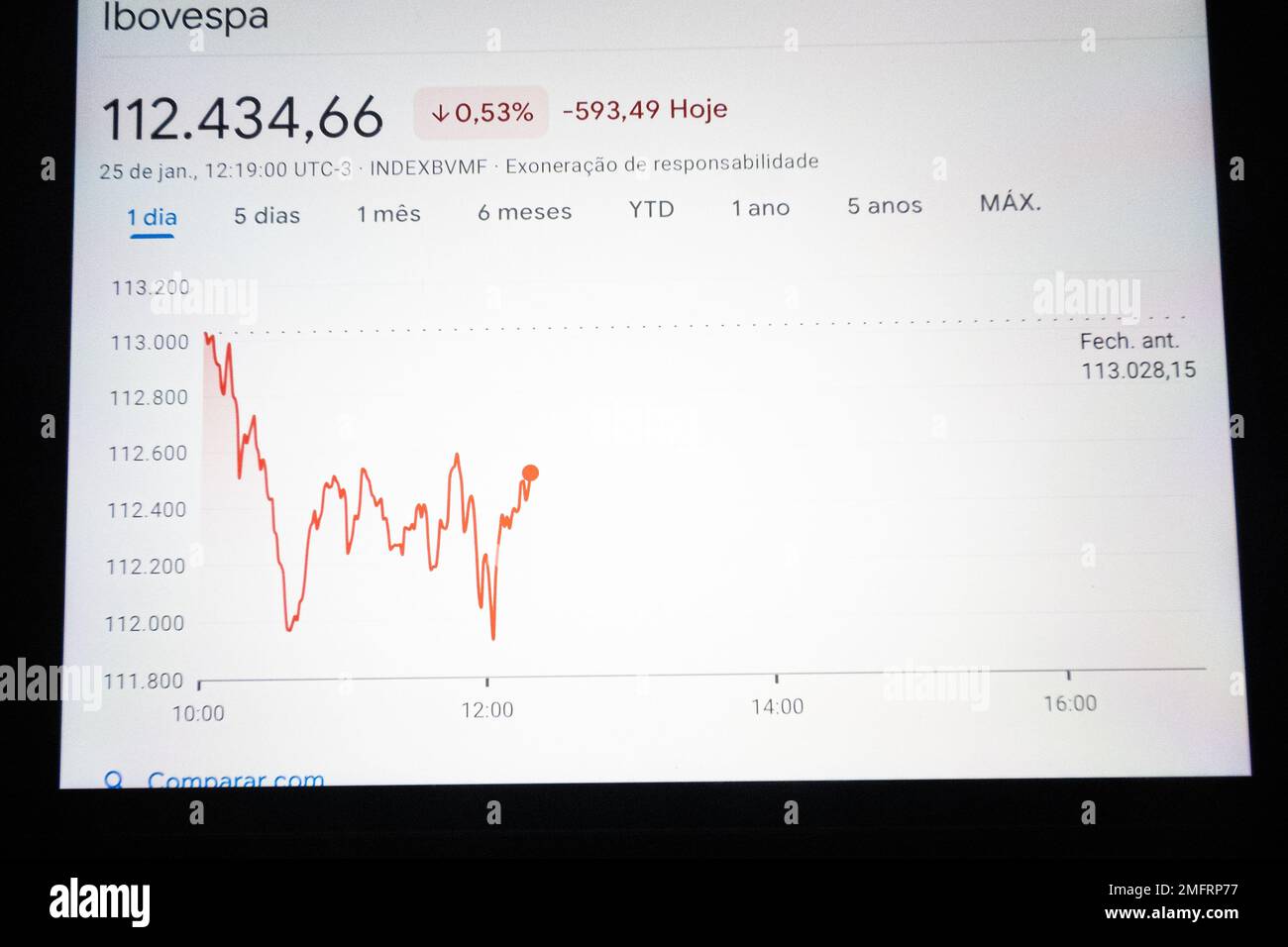
On this particular Superquarta, the confluence of U.S. monetary policy signals and local economic data points created a perfect storm for market swings. VEJA reported that the Ibovespa saw a devaluation of approximately 0.70% as the day progressed. The convergence of these factors—the Fed’s hawkishness, the dollar’s rise, and the dense schedule of economic releases—ensured that price movements were both rapid and significant.
For investors, these days represent periods of heightened risk. The combination of external monetary policy shifts and internal economic data can lead to sudden liquidity shifts, as seen in the Ibovespa’s transition from a gain to a loss.
Market Performance Summary
| Financial Indicator | Initial Movement | Closing/Significant Level | Primary Driver |
|---|---|---|---|
| Ibovespa Index | +1.00% Gain | ~ -0.70% Decline | U.S. Fed interest rate signals |
| U.S. Dollar (USD/BRL) | Stable/Lower | R$ 5.10 – R$ 5.11 | Capital flight to U.S. assets |
| Market Sentiment | Risk-on | Risk-off | Hawkish Federal Reserve stance |
The volatility observed during this session highlights the interconnectedness of global financial markets. Even significant local gains can be erased by shifts in the monetary policy trajectory of the world’s largest economy.
The next key checkpoint for investors will be the release of the upcoming U.S. Consumer Price Index (CPI) data and the next scheduled meeting of the Federal Open Market Committee (FOMC), which will provide further clarity on the path of U.S. interest rates.
Do you think the Federal Reserve’s current stance is justified, or is it placing too much pressure on emerging markets? Share your thoughts in the comments below and share this article with your network.
Keep reading