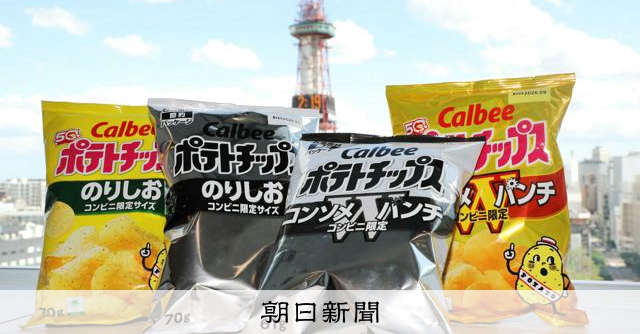
The Rise of Minimalist Packaging: Supply Chain Constraints Reshape Retail Aesthetics
As global supply chains face renewed pressure from geopolitical instability, a striking visual shift is taking place on retail shelves. Across various consumer goods, from snack foods to daily essentials, manufacturers are increasingly abandoning vibrant, multi-color packaging in favor of stark, simplified designs. This transition, driven by significant disruptions in the procurement of raw materials—specifically those required for printing—marks a notable departure from traditional marketing strategies that have long relied on eye-catching aesthetics to capture consumer attention.
For many shoppers, the change is immediate and tangible. In recent days, domestic markets have seen the introduction of black-and-white packaging for staple products, including popular potato chips and other snack items. Industry analysts note that this shift is not merely a stylistic choice but a calculated response to the volatility of global markets, which has constrained the availability of printing inks and other essential packaging components. As companies look to ensure the stable supply of their goods, the “minimalist” aesthetic is emerging as a pragmatic necessity in an era of heightened economic uncertainty.
Geopolitical Tensions and the Cost of Production
The primary driver behind this packaging transformation is the instability of global supply chains, often exacerbated by tensions in the Middle East. These disruptions have led to a tightening in the availability of raw materials, including those derived from petroleum, which are fundamental to the production of packaging films and printing inks. According to reports from manufacturers, the procurement of these materials has become increasingly unpredictable, forcing companies to implement significant changes to their product specifications to maintain inventory levels.
Beyond the ink shortages, the broader cost of packaging materials—many of which rely on petroleum-based derivatives—has seen a marked increase. This inflationary pressure is forcing a wide range of food manufacturers and major supermarket chains to reassess their operational costs. The move toward simplified packaging is designed to mitigate these rising expenses, allowing businesses to maintain price stability for the end consumer despite the volatility in input costs. Whether this trend toward “stripped-back” branding will become a permanent fixture of the retail landscape remains a point of intense discussion among market observers and corporate strategists alike.
Corporate Strategy: From Potato Chips to Private Labels
The implementation of these simplified designs is widespread, affecting both major national brands and private-label products. For instance, major snack food producers have begun rolling out monochrome versions of their flagship items, replacing iconic, colorful designs with stark alternatives. These changes include the removal of complex character graphics and high-resolution imagery that previously defined the brand’s shelf presence. In some cases, product packaging now explicitly highlights its role in resource conservation, with labels identifying the items as part of initiatives to reduce the consumption of petroleum-based raw materials.

Retailers are also taking proactive steps to streamline their own house brands. Major convenience store chains and discount retailers are in the process of reducing the number of colors used in their private-label packaging. This strategy extends to a variety of goods, from food items like sandwiches and rice balls to household essentials such as boxed tissues and bottled water. By consolidating the variety of container types and simplifying printing requirements, these organizations are focusing on efficiency to offset the rising costs associated with the current economic climate.
Consumer Perception and the Future of Retail
While the industry views these changes as a necessary adaptation to ensure product availability, the reaction from consumers is mixed. Some shoppers acknowledge the necessity of the shift in the face of supply chain challenges, while others express concern that the loss of color and imagery makes it more tricky to identify their preferred products or associate them with specific flavors. The challenge for manufacturers will be to maintain brand recognition while operating within these new, resource-constrained parameters.
As the situation continues to evolve, market experts are watching closely to see if this “minimalist” wave will influence long-term consumer behavior. If shoppers demonstrate a high degree of “value-over-visuals” preference, companies may find that the cost savings associated with simplified packaging outweigh the traditional marketing benefits of complex, multi-color design. However, should consumer demand soften due to the lack of visual appeal, retailers may be forced to find a middle ground that balances economic reality with the expectations of a discerning customer base.
Key Considerations for the Market
- Supply Chain Resilience: Companies are prioritizing consistent product availability over traditional brand aesthetics to navigate current procurement challenges.
- Operational Efficiency: The reduction in printing complexity is part of a broader effort to manage costs associated with petroleum-derived raw materials.
- Brand Equity: Manufacturers face the difficult task of maintaining brand identity without the use of established, color-rich packaging designs.
- Consumer Response: While some shoppers accept the changes as a pragmatic response to global conditions, others remain nostalgic for the visual variety of standard packaging.
The business community is currently awaiting further updates from major manufacturers regarding the duration of these packaging adjustments. As companies continue to report on their supply chain management strategies, stakeholders will be looking for signs of stabilization in raw material markets. We encourage our readers to monitor official company announcements and retail updates for the latest information on product availability and packaging standards. We welcome your thoughts on how these changes have impacted your shopping experience; please share your perspectives in the comments section below.
Related reading