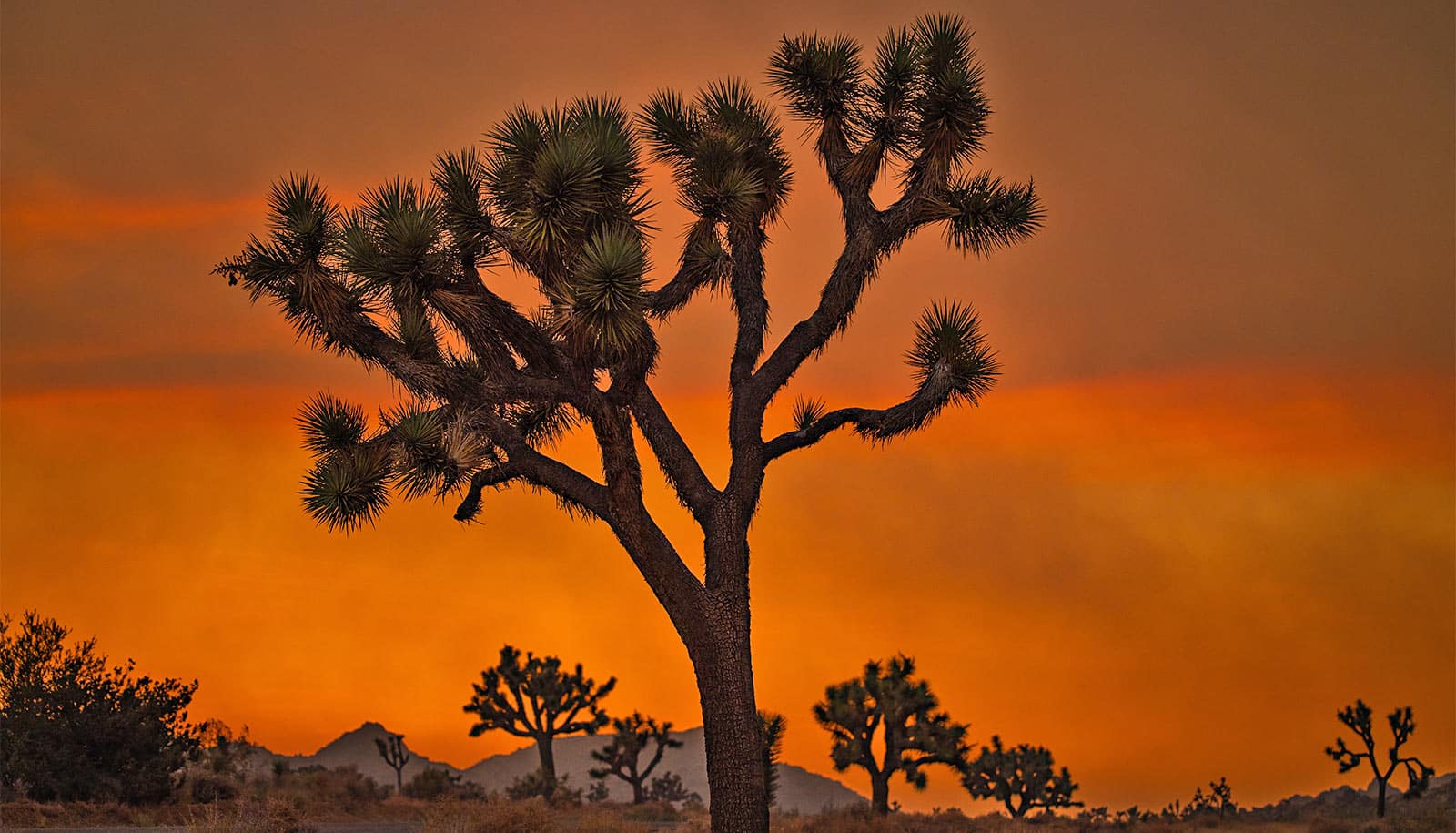
The 2020 Dome Fire in California’s Mojave Desert, which scorched approximately 43,000 acres and decimated a significant portion of the region’s Eastern Joshua tree population, did not destroy the critical underground fungal networks essential for the ecosystem’s survival. According to a study published in the journal Fire Ecology, researchers found that soil microbial communities remained resilient despite the intense heat and the widespread loss of surface vegetation, suggesting that soil health is not the primary barrier to the recovery of these iconic desert trees.
As a physician and researcher, I have long observed that the most critical components of an ecosystem are often those hidden from view. While the loss of nearly one million Joshua trees remains a profound ecological event, the findings from the University of California, Riverside (UCR) provide a rare glimmer of optimism for restoration efforts. By examining the soil biology, scientists have determined that the subterranean infrastructure—the mycorrhizal fungi that help plant roots absorb water and nutrients—persisted through the fire, meaning future replanting efforts will not need to focus on costly soil rehabilitation.
Resilience Beneath the Burn Scar
Following the lightning-sparked Dome Fire in August 2020, which devastated vast swaths of the Cima Dome area, many ecologists feared the worst for the soil biology. In typical forest or brush fires, intense heat can sterilize the ground, killing the microbial life that supports new plant growth. However, this study, which tracked soil samples from two weeks post-fire through a three-year period, revealed no detectable decline in fungal biomass or microbial richness.
“We thought the microbes would all be dead when we got there,” said Sydney Glassman, a fungal ecologist at UC Riverside and the senior author of the study. “The trees were devastated aboveground, and usually the soil story matches that kind of destruction.” Instead, the team found that the wide spacing of Joshua trees and sparse understory vegetation in the Mojave likely acted as a natural buffer, preventing the fire from heating the soil to levels that would have been lethal to the microbial community.
The Challenge of Post-Fire Recovery
While the soil remains viable, the recovery of the Eastern Joshua tree (Yucca brevifolia) faces significant hurdles. Observations in the burn plots showed a sharp decline in tree survival over the three-year study period. In the immediate aftermath of the fire, many trees retained green leaves, leading to initial hopes for survival. However, survivorship dropped to 50% after one year and plummeted to 20% by the three-year mark.
Researchers attribute this delayed mortality to a combination of environmental stressors. “The trees were already mortally wounded, then drought and rodents helped finish them off,” explained Lynn Sweet, a research ecologist at UCR and coauthor of the paper. The presence of Neurospora discreta—a bright-colored, fire-loving fungus—became a common sight on the charred remains of the trees, serving as a visual marker of the altered landscape. These compound stressors, particularly prolonged drought conditions in the desert, continue to challenge the survival of both mature trees and any new seedlings attempting to take root.
Implications for Future Conservation
The discovery that mycorrhizal fungi survived the fire provides a clear roadmap for conservationists. In many restoration projects, managers are forced to introduce soil amendments or inoculate the ground with specific fungi to ensure that young trees can establish themselves. In the Mojave, this step appears unnecessary.
“There is no evidence the fungi are limiting regeneration because they didn’t disappear,” Glassman noted. “If the trees can figure out how to survive, the microbes are there for them.” This insight allows land managers to direct limited resources toward other critical needs, such as protecting young seedlings from herbivores or managing invasive species that may outcompete native desert flora.
The path to restoring the Joshua tree forests of the Cima Dome remains arduous. Because these trees grow slowly and are highly susceptible to herbivory, the loss of adult trees creates a long-term void in the landscape. However, the stability of the underground microbial network offers a foundation upon which restoration can be built, provided the trees can withstand the ongoing pressures of a changing climate and recurring drought.
Future monitoring will continue to track how the desert landscape transitions in the wake of the 2020 event. As restoration strategies are refined by the National Park Service and other land management agencies, the resilience of the soil will remain a key metric for success. We invite our readers to share their thoughts on the challenges of desert restoration and the importance of preserving these unique high-desert ecosystems in the comments section below.