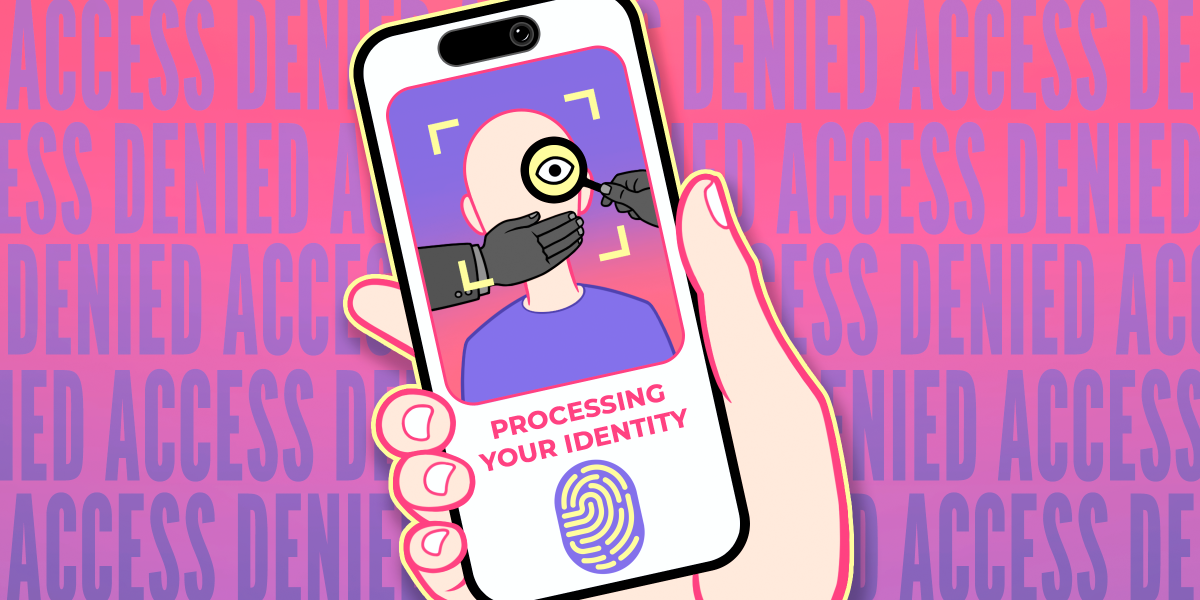
The United States Senate Commerce Committee is actively considering a legislative package that would substantially expand age verification online while introducing new compliance obligations for digital platforms. Alongside the Kids Online Safety Act (KOSA), the SCREEN Act, the CHATBOT Act, and the Youth AI Privacy Act, the initiative aims to establish a “duty of care” for online service providers to avoid exposing young people to certain material the law deems harmful.
The legislation addresses content related to harms like anxiety, eating disorders, and substance use. However, critics warn that the framework’s operational requirements will pressure platforms to collect more sensitive personal data from users—both minors and adults—thereby eroding digital privacy and creating incentives to restrict lawful speech.
Under the proposed Senate text, online services would be obligated to mitigate a wide range of alleged harms to young people. Because those obligations only work if online services know which users are minors, critics note that platforms will be pressured to implement age verification or age estimation systems.
Implementing these systems may involve checking government IDs, performing facial analysis, or checking bank records. Critics argue these verification mandates create databases of personal information that can be breached, misused, or demanded by governments.
Furthermore, critics emphasize that the legislation takes decisions about appropriate online content away from families and the young people who have a First Amendment right to speak and access information online, placing it instead in the hands of government officials. By empowering elected attorneys general in states across the country to enforce KOSA, the framework allows elected officials to decide what is appropriate online content for teens.
Concerns have been raised regarding the legislation’s impact on free expression. When platforms face liability for content that someone later claims contributed to harms, the safest response is to remove lawful speech or shut down forums discussing those topics altogether. This dynamic encourages companies to restrict lawful speech, shut down potentially controversial forums, and limit access to information well before a young person sees it.
Of particular concern is the potential suppression of online resources. Forums where people try to help each other, find community and recovery resources for harms listed in the bill, like gambling and drug addiction, may be blocked or removed by platforms attempting to avoid legal action from government bureaucrats.
Critics contend that while minors deserve meaningful privacy protections online, legislative frameworks should protect all users without undermining privacy, security, or free expression. Advocacy groups urge the Senate Commerce Committee to reject KOSA and related bills in favor of comprehensive privacy legislation that protects everyone.
Next Legislative Steps
The Senate Commerce Committee is considering the legislative package, with votes for the bills coming up this week.
We welcome your perspective on these developments. Please share your thoughts and join the conversation in the comments section below.
Worth a look