
Public health experts are increasingly focused on the rising prevalence of overweight and obesity among the adult population, a trend that carries significant implications for long-term health outcomes and healthcare policy. As medical professionals, we recognize that addressing body mass index (BMI) is not merely a matter of aesthetic concern, but a critical component in the management of chronic conditions such as type 2 diabetes, cardiovascular disease, and certain metabolic disorders.
According to data from the World Health Organization (WHO), more than 1 billion people worldwide are living with obesity. This global shift requires a nuanced understanding of how we approach weight management, moving away from simplistic solutions toward sustainable, evidence-based health interventions that prioritize long-term physiological well-being over short-term numerical goals.
Understanding the Complexity of Weight Management
The conversation surrounding weight loss has evolved significantly over the past decade. It is now widely understood that the biological response to weight reduction varies drastically between individuals. The notion that a caloric deficit alone guarantees long-term health improvements is an oversimplification; instead, the focus is shifting toward metabolic health, muscle mass preservation, and the psychological factors that influence eating behaviors.
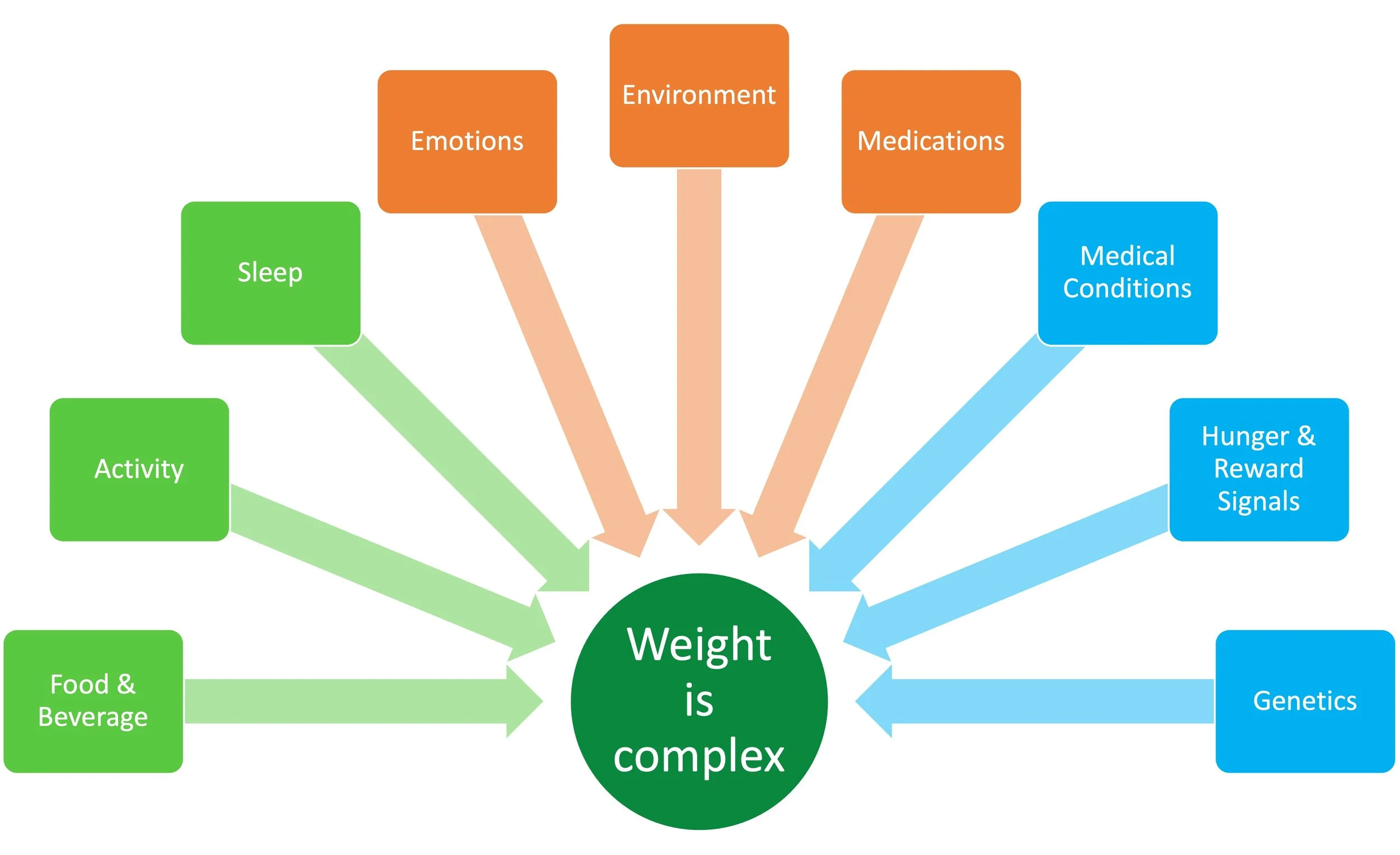
For many adults, achieving a healthy weight is complicated by genetic predispositions, socioeconomic factors, and the obesogenic environments in which we live. Recent clinical guidance emphasizes that “weight maintenance” is often a more realistic and clinically significant goal than drastic, rapid weight loss, which can sometimes lead to muscle wasting or metabolic adaptation—a phenomenon where the body slows its metabolic rate to conserve energy.
The Role of Digital Health and Pregnancy
As we navigate the digital age, mobile applications and wearable technology have become common tools for tracking nutrition and physical activity. While these resources can provide valuable data, their efficacy is often debated in clinical settings. For instance, in the context of pregnancy, where managing gestational weight gain is essential for both maternal and fetal health, apps are viewed as supportive tools rather than primary medical interventions.
The American College of Obstetricians and Gynecologists (ACOG) provides clear guidelines on recommended weight gain ranges based on pre-pregnancy BMI. Expectant mothers are encouraged to work closely with their healthcare providers to develop personalized nutrition and activity plans rather than relying solely on automated digital trackers, which may not account for individual medical history or pregnancy-specific complications.
Strategic Approaches to Sustainable Health
Effective weight management strategies must be multi-faceted. In my practice at Charité, I emphasize that the goal is not merely a lower number on the scale, but a reduction in inflammation, improved insulin sensitivity, and better blood pressure control. This holistic view is crucial for patients who have struggled with yo-yo dieting or the psychological toll of weight-centric medical advice.
- Individualized Nutrition: Moving beyond “one-size-fits-all” diets to focus on nutrient density and satiety.
- Physical Activity: Prioritizing resistance training alongside cardiovascular exercise to maintain lean body mass.
- Behavioral Support: Addressing the emotional triggers of eating through therapy or counseling.
- Medical Supervision: Engaging with physicians to screen for underlying hormonal or metabolic issues that may impede progress.
Looking Ahead: The Future of Obesity Care
The medical community is currently awaiting further updates from global health authorities regarding standardized care pathways for obesity treatment. As we look toward the future, the integration of pharmacotherapy—when appropriate—alongside lifestyle changes represents a significant advancement in how we treat chronic obesity as a disease rather than a character flaw.
For those seeking guidance, the best course of action is to consult with a primary care physician or a registered dietitian who can provide a tailored plan. We must remain critical of trends that promise rapid results and instead support patients in making incremental, sustainable changes that foster a lifetime of health.
As a physician and editor, I welcome your thoughts on how One can better support patients in their health journeys. Please share your experiences or questions in the comments section below, and stay tuned to our Health section for further updates on clinical guidelines and medical innovation.
Worth a look
- The Best Type of Exercise to Reverse Aging and Stay Young, According to Leading Researchers
- Why Cony Capelli Revealed Her First Pregnancy on “Fiebre de Baile
- Remote HIIT Effective for Sustained Adolescent Weight Loss (newsdirectory3.com)
- Why Wireless Earbuds Lose Sync Between Left and Right (daybreakwire.com)