
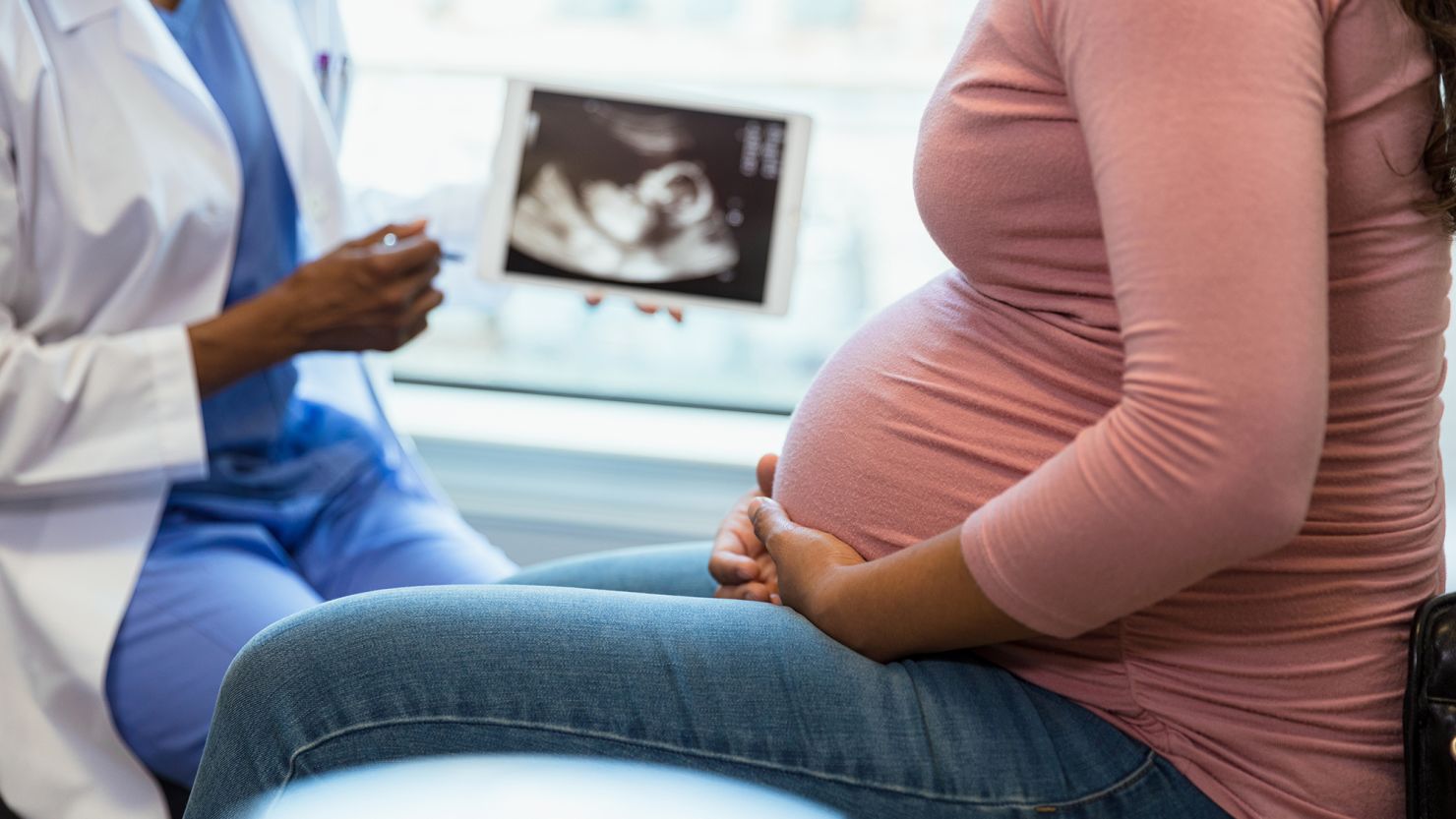
The landscape of maternal health in East Asia is facing a critical inflection point, as South Korea’s maternity care crisis accelerates at an alarming rate. Once a robust network of clinics and hospitals, the infrastructure supporting childbirth is rapidly eroding, leaving thousands of expectant mothers in “maternity deserts” where basic delivery services are either unavailable or dangerously distant.
Recent data reveals a staggering decline in the number of facilities capable of performing deliveries. Between 2013 and 2023, the number of maternity-capable medical institutions in South Korea plummeted from 706 to 463, representing a 34.4% decrease over a single decade according to the Ministry of Health and Welfare. This is not merely a statistical dip but a systemic collapse that threatens the safety of both mothers and newborns.
As a physician and health journalist, I have observed similar patterns of healthcare attrition globally, but the speed of this decline in South Korea is particularly striking. The crisis is fueled by a perfect storm of demographic shifts, economic instability for practitioners, and a legal environment that many young doctors find prohibitively risky.
The Rise of Maternity Deserts: Regional Disparities
The collapse is not evenly distributed; it is most acute in rural and semi-rural regions. Out of 250 municipalities (si-gun-gu) across the country, 72 are now classified as being unable to provide delivery services as reported by the Ministry of Health and Welfare. This creates a precarious situation where residents must travel long distances during active labor, increasing the risk of complications.
The breakdown of these “delivery-impossible” zones reveals two distinct types of failure. In 22 areas—all of which are categorized as ‘gun’ (counties)—You’ll see no obstetrics and gynecology (OB/GYN) clinics at all. These gaps are most prevalent in Gyeongbuk (6 locations), Gangwon (5), Jeonbuk (4), Jeonnam (3), Gyeongnam (2), Chungbuk (1), and Daegu (1) per government data.
Even more concerning are the 50 regions where OB/GYN clinics exist, but they lack the necessary delivery rooms to actually perform births. This “hollowed-out” care is most evident in Jeonnam (10 locations), Gyeonggi (8), Chungnam (6), and Gyeongnam (6) according to official records. In these areas, women may have access to prenatal check-ups but are forced to migrate to other cities for the actual birth.
A Shrinking Pipeline of Specialists
The physical disappearance of clinics is mirrored by a decline in the human capital required to run them. The number of new OB/GYN specialists entering the field has dropped significantly, falling from 177 in 2008 to just 103 in 2023 as noted by the Hospital Newspaper. This shortage creates a vicious cycle: as fewer doctors enter the field, the workload for remaining practitioners increases, further discouraging new recruits.
The decline is most pronounced among clinic-level (private) providers. The number of delivery-capable clinics fell from 409 in 2013 to 195 by the end of 2023, effectively cutting the private maternity infrastructure in half according to the Ministry of Health and Welfare.
Economic Pressures and the ‘High-Risk, Low-Reward’ Trap
Why are doctors fleeing obstetrics? The reasons are rooted in a structural failure of the reimbursement system and an escalating fear of medical litigation. The Ministry of Health and Welfare attributes the decline to rising operating costs caused by the plummeting number of newborns and a worsening perform environment characterized by the risk of medical accidents per official analysis.
Financial viability has reached a breaking point. The cost recovery rate for clinic-level obstetricians—the percentage of actual costs covered by medical fees—dropped from 64.5% in 2017 to 52.9% in 2021 according to the Korean Association of Obstetricians and Gynecologists (Straight-line). When a provider recovers only half of their operating costs, the business model becomes unsustainable.
the “high-risk” nature of delivery—where unpredictable complications can lead to severe legal battles—has made the specialty unattractive to younger physicians. The Korean Association of Obstetricians and Gynecologists has argued that the current crisis is not a simple lack of doctors, but a result of a “low-fee, high-risk structure” where the compensation does not match the intensity of the work or the legal exposure as stated during their 21st Spring Academic Conference.
Government Intervention: Defining ‘Maternity Vulnerable Areas’
To combat this trend, the South Korean government has implemented a system to identify and support “Maternity Vulnerable Areas” (분만취약지). These areas are designated based on two primary metrics: accessibility and utilization according to the Ministry of Health and Welfare.

| Metric | Threshold for Vulnerability |
|---|---|
| Accessibility Vulnerability | 30% or more of the population cannot reach a delivery-capable medical institution within 60 minutes. |
| Medical Utilization Rate | Less than 30% of the population utilizes delivery-capable institutions within a 60-minute radius. |
Once an area is designated, the government provides support for the designation and operation of maternity OB/GYNs to ensure that the most isolated populations still have access to safe delivery services as detailed by the Ministry of Health and Welfare. The government has introduced new policy fees specifically for high-risk pregnancies to alleviate some of the financial burdens on providers per government announcements.
Key Takeaways for Global Health Policy
- Rapid Infrastructure Loss: A 34.4% drop in delivery facilities over 10 years highlights how quickly essential health services can vanish under demographic pressure.
- The ‘Clinic Gap’: The collapse is most severe in private, clinic-level facilities, which are the first line of defense in rural healthcare.
- Economic Disincentives: A cost recovery rate as low as 52.9% makes maternity care a financial liability for providers.
- Legal Risk as a Deterrent: High litigation risks in obstetrics drive young specialists toward safer, more lucrative specialties.
- Accessibility Crisis: 72 municipalities now lack the basic infrastructure to support childbirth safely.
The situation in South Korea serves as a warning for other developed nations facing declining birth rates. When the financial and legal risks of a medical specialty outweigh the rewards, the infrastructure does not just shrink—it collapses. Addressing this requires more than just increasing the number of medical students; it requires a fundamental restructuring of how high-risk, essential care is funded and legally protected.
The next critical step for the Ministry of Health and Welfare will be the continued implementation and evaluation of the new high-risk pregnancy policy fees to determine if they can effectively stem the tide of clinic closures. We will continue to monitor these policy updates as they unfold.
Do you believe government subsidies are enough to save essential medical specialties, or is a total legal overhaul required? Share your thoughts in the comments below.