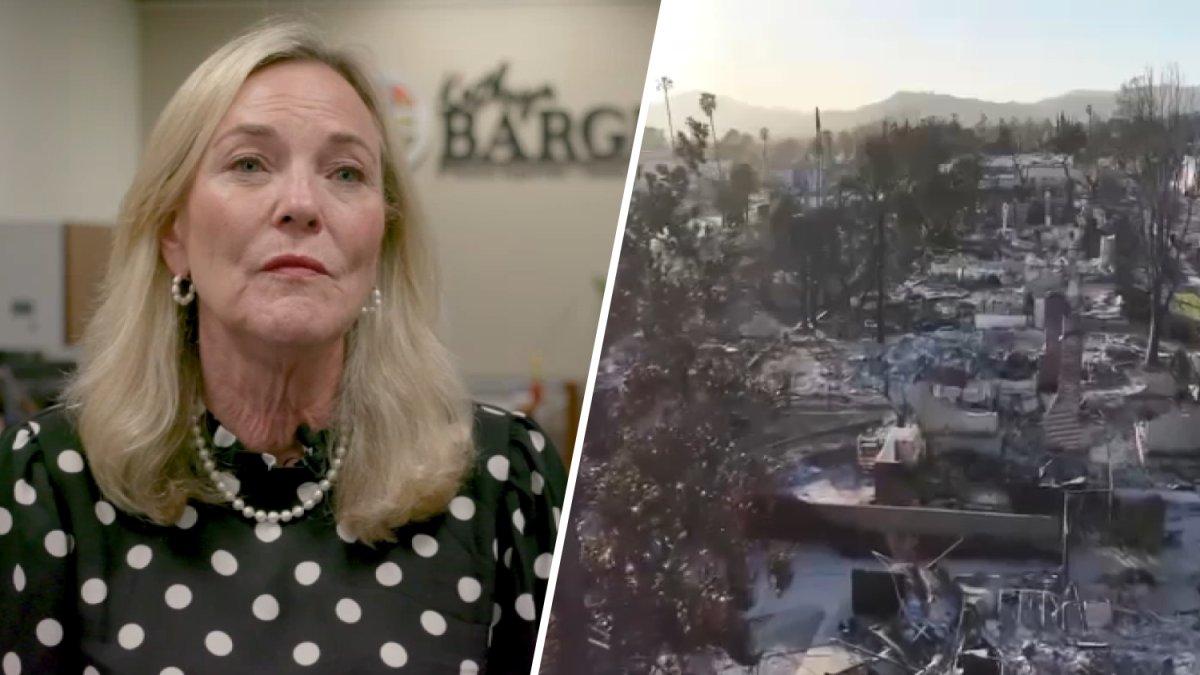
As communities across Southern California continue the arduous process of rebuilding following devastating wildfire seasons, a significant debate has emerged regarding the allocation of state-level financial support. Los Angeles County Supervisor Kathryn Barger is currently advocating for greater access to unspent wildfire relief funds, arguing that these resources remain essential for the long-term recovery of areas like Altadena, which were severely impacted by recent fire activity.
The core of the issue centers on a $2.5 billion wildfire relief package, a substantial financial commitment designed to bolster disaster recovery efforts across the state. However, recent reporting indicates that a large portion of these funds has yet to be deployed. For residents still grappling with displacement and the complexities of property restoration, the question of how these state dollars are prioritized has become a matter of immediate economic survival. The situation highlights a growing tension between state-level administrative requirements and the urgent, ground-level needs of fire-ravaged neighborhoods.
According to data regarding the distribution of state disaster assistance, approximately 75% of the allocated relief funds remained unspent more than a year after initial disbursements began, a figure that has drawn scrutiny from local officials and community advocates alike. Much of the approximately $605 million that has reached local jurisdictions has been directed toward the reimbursement of emergency response agencies for costs incurred during active fire suppression. While this support is critical for maintaining public safety operations, Supervisor Barger contends that it addresses only a fraction of the total recovery burden facing the region.
The Gap Between Emergency Response and Long-Term Recovery
For survivors, the path to normalcy is often obstructed by bureaucratic hurdles, including insurance delays and the high cost of meeting modern building codes. Zaire Calvin, an Altadena community organizer and a survivor of the local fires, describes a reality where many remain in a state of housing instability. The challenge, as outlined by local advocates, is that while emergency response is a necessary first step, the subsequent phase—infrastructure repair and individual housing assistance—requires a different, more flexible, and often more sustained funding stream.

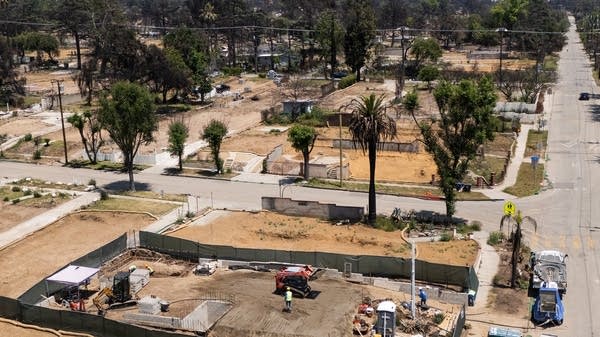
Supervisor Barger has pointed to the depletion of Los Angeles County’s own emergency reserves, which have been strained by various legal and fiscal obligations, as a primary reason for seeking state-level intervention. The request for clarity from the state government is focused on whether existing relief funds can be pivoted to support essential infrastructure, specifically the aging water systems in Altadena that require comprehensive modernization to withstand future environmental stressors.
The state’s current position, as articulated by the Governor’s office, maintains that the relief funding is subject to specific administrative criteria, often tied to projects eligible for reimbursement by the Federal Emergency Management Agency (FEMA). This “strings-attached” approach creates a significant bottleneck for local governments that may have urgent, non-FEMA-eligible recovery needs. The discrepancy between the initial promise of broad disaster relief and the subsequent regulatory restrictions is now a central friction point in the recovery dialogue.
Infrastructure Resilience and Future Preparedness
Beyond the immediate needs of residents, the focus on Altadena’s water system reflects a broader concern about the resilience of public infrastructure in the face of increasingly frequent climate-driven disasters. When critical systems fail, the ability of a community to rebuild is severely hampered. Supervisors and local planners are often caught between the need to act quickly and the rigid requirements of state and federal grant programs.
The state’s broader wildfire resilience strategy, which includes various funding mechanisms for fuel reduction and community hardening, is intended to prevent the incredibly destruction that necessitates these relief funds. However, the current impasse suggests that the transition from a reactive model—focusing on suppression and immediate reimbursement—to a proactive model of infrastructure hardening remains incomplete.
For residents, the stakes are not just financial but existential. The reality of living in a state of perpetual displacement, as described by those on the ground, underscores the necessity of a transparent, streamlined approach to distributing state recovery resources. As Supervisor Barger continues to press for answers, the focus remains on ensuring that the remaining funds are not merely sitting in state coffers but are actively contributing to the physical and economic reconstruction of vulnerable communities.
Navigating the Recovery Process: Resources for Residents
For those affected by wildfires, navigating the landscape of state and federal aid can be daunting. It’s essential for property owners and renters to stay informed about the latest eligibility requirements for disaster assistance. Residents are encouraged to monitor the following resources for updates on funding availability and recovery programs:
- DisasterAssistance.gov: The primary portal for federal disaster support, where users can check their eligibility for individual assistance.
- CAL FIRE Official Updates: Provides information on current fire conditions and links to state-managed recovery resources.
- Los Angeles County Chief Executive Office: Local residents should check the county’s official portal for announcements regarding local relief efforts and town hall meetings where recovery funding is discussed.
The conversation regarding the use of these funds is expected to continue at the next session of the Los Angeles County Board of Supervisors, where further advocacy for state-level cooperation is anticipated. Transparency regarding the specific criteria for fund disbursement remains a priority for local officials, as they seek to bridge the gap between state-level policy and the urgent, unmet needs of their constituents.
We invite our readers to contribute to this ongoing discussion. If you are a resident affected by these fires or a professional working in disaster recovery, how has the current funding landscape impacted your ability to rebuild? Share your thoughts and experiences in the comments section below, and stay tuned to the World Today Journal for further updates as this story develops.