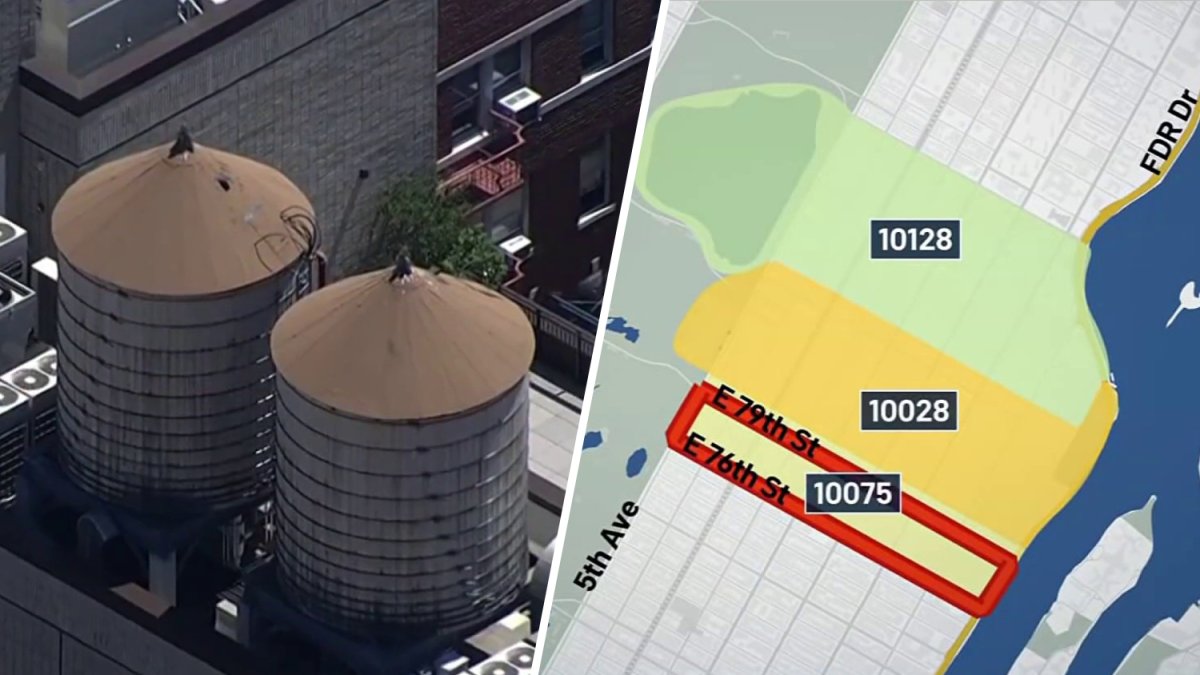
New York City health officials are investigating a cluster of Legionnaires’ disease cases on the Upper East Side, where the number of confirmed illnesses has reached at least 46, according to the latest figures from the New York City Department of Health and Mental Hygiene. The investigation, which currently focuses on 19 buildings of interest identified by the presence of Legionella bacteria in rooftop cooling towers, has sparked a public disagreement between City Council Speaker Julie Menin and the city’s health agency regarding the appropriate timeline for decontamination.
The outbreak, which has resulted in at least 22 current hospitalizations, centers on a geographic area encompassing ZIP codes 10075, 10028, and 10128. As the New York City Department of Health and Mental Hygiene continues its probe, the agency has ordered building owners at the identified sites to drain and disinfect their cooling towers as a precautionary measure. This process involves testing to determine if the detected bacteria are viable, though the city maintains that immediate action is taken regardless of the specific test results to mitigate health risks.
Disagreement Over Proactive Disinfection Protocols
The tension between the City Council and the Health Department centers on whether cooling towers should be disinfected before or after samples are fully analyzed. Speaker Julie Menin has publicly urged the Health Department to initiate mandatory, proactive disinfection for all cooling towers in the affected area, unless they have already tested negative for the bacteria. Menin characterized the current pace of the response as insufficient, stating, “It is shameful to wait, to continue to wait, while we know more and more people every single day are getting sick and potentially can die of this disease.”
In response, the New York City Department of Health and Mental Hygiene issued a statement defending its investigative methodology. The agency noted that disinfecting a cooling tower before a proper sample is collected can destroy evidence, making it impossible to confirm whether a specific tower served as the source of the outbreak. The department emphasized that it has been “aggressively identifying” cooling towers that test positive for Legionella since July 2 and has prioritized rapid action to inform the public and ensure building owners comply with cleaning mandates.
Scope of the Investigation and Public Safety
The investigation is concentrated on the East Side, spanning roughly from 76th Street to 97th Street. While the number of cases rose from 28 to 46 as of Thursday, the Health Department has provided specific guidance to residents in the impacted ZIP codes. Officials confirmed that the Legionnaires’ cluster is not linked to the city’s plumbing or water supply systems. Consequently, residents have been advised that it remains safe to drink tap water, shower, cook, and operate air conditioning units.
Transparency regarding the location of the affected buildings has become a focal point of the local response. While the city has not yet released the specific addresses of the 19 buildings under investigation, there is mounting pressure from local leadership to do so. “We’re going to be taking the step of releasing the addresses of wherever has been impacted because we know that that transparency is also a critical part of how New Yorkers can continue to go about their day,” stated Zohran Mamdani, who represents the area, on Wednesday.
Next Steps for Affected Residents
City health workers are currently conducting outreach at senior centers and community hubs in the vicinity of the outbreak to distribute informational materials. These efforts are targeted toward older adults and individuals with underlying health conditions, who are statistically at a higher risk of developing severe complications from Legionnaires’ disease. The bacteria typically spread through the inhalation of mist from contaminated water systems, such as cooling towers, rather than person-to-person contact.
The Health Department continues to monitor the situation, and further updates are expected as laboratory testing of the cooling tower samples concludes. Residents are encouraged to monitor official city channels for updates on building safety and public health advisories. Those seeking additional information or concerned about potential symptoms—which often resemble severe pneumonia—are advised to contact their healthcare provider or the city’s public health information line.