
ADHD management in schools and medication challenges often stem from a disconnect between pharmacological treatment and classroom structure. While medication can mitigate specific symptoms, experts argue that systemic failures occur when schools prioritize behavioral compliance over environmental adaptations that support neurodivergent learning styles and executive function needs.
The prevalence of Attention-Deficit/Hyperactivity Disorder (ADHD) continues to rise globally, creating significant pressure on both healthcare systems and educational institutions. According to the Centers for Disease Control and Prevention (CDC), approximately 11.4% of children in the United States have been diagnosed with ADHD. As diagnosis rates climb, the traditional approach—relying heavily on stimulant medication to make children “fit” into standard classroom settings—is facing increased scrutiny from educators, parents, and neurodiversity advocates.
The tension lies in the distinction between treating a medical condition and managing a neurodivergent brain within a rigid environment. For many families, the current model feels like a two-front battle: managing the side effects of medication while simultaneously fighting for basic classroom accommodations that are often inconsistently applied.
Why does medication alone often fail to support ADHD students?
Medication is frequently the first line of defense in ADHD management. Stimulants, such as methylphenidate and amphetamines, are the most commonly prescribed treatments. These medications work by increasing the levels of certain neurotransmitters, specifically dopamine and norepinephrine, in the brain. This can help improve focus and impulse control.
However, medical professionals note that medication is not a “cure” for the underlying neurobiology of ADHD. While it may help a child sit still or follow instructions, it does not inherently teach the executive function skills—such as organization, time management, and emotional regulation—that these students lack. When schools rely solely on medication to manage classroom behavior, they risk treating the symptom rather than the student’s functional needs.
Furthermore, the “rebound effect” remains a significant concern for parents and educators. As the effects of a stimulant medication wear off, some children experience a sudden return of intense hyperactivity or irritability. This often occurs during the late afternoon or immediately after school, complicating the transition from the structured school environment to the home environment.
How do modern classroom environments conflict with ADHD neurobiology?
The standard modern classroom is built on a model of sedentary learning, prolonged periods of focused attention, and strict adherence to schedules. For a student with ADHD, these requirements directly conflict with their neurobiological makeup. The physical environment itself can become a barrier to learning.
Sensory processing issues are common among neurodivergent students. A classroom that seems normal to a neurotypical student—the hum of an air conditioner, the flickering of fluorescent lights, or the movement of peers in the periphery—can be overwhelming for a child with ADHD. This sensory overload often manifests as distraction, irritability, or “shutting down,” which teachers may misinterpret as defiance or lack of interest.
The mismatch is also evident in how tasks are assigned. ADHD is fundamentally a disorder of executive function. While a student may have the intellectual capacity to complete a complex assignment, they may struggle with the “how”: breaking the task into steps, starting the work, or managing the time required to finish. Without specific scaffolding, these students often fall behind, leading to a cycle of academic failure and diminished self-esteem.
What are the specific limitations and side effects of stimulant medication?
While stimulants are effective for many, they are not without significant physiological and psychological costs. Clinical data suggests that a subset of children experiences adverse effects that can impact their overall well-being and academic performance.
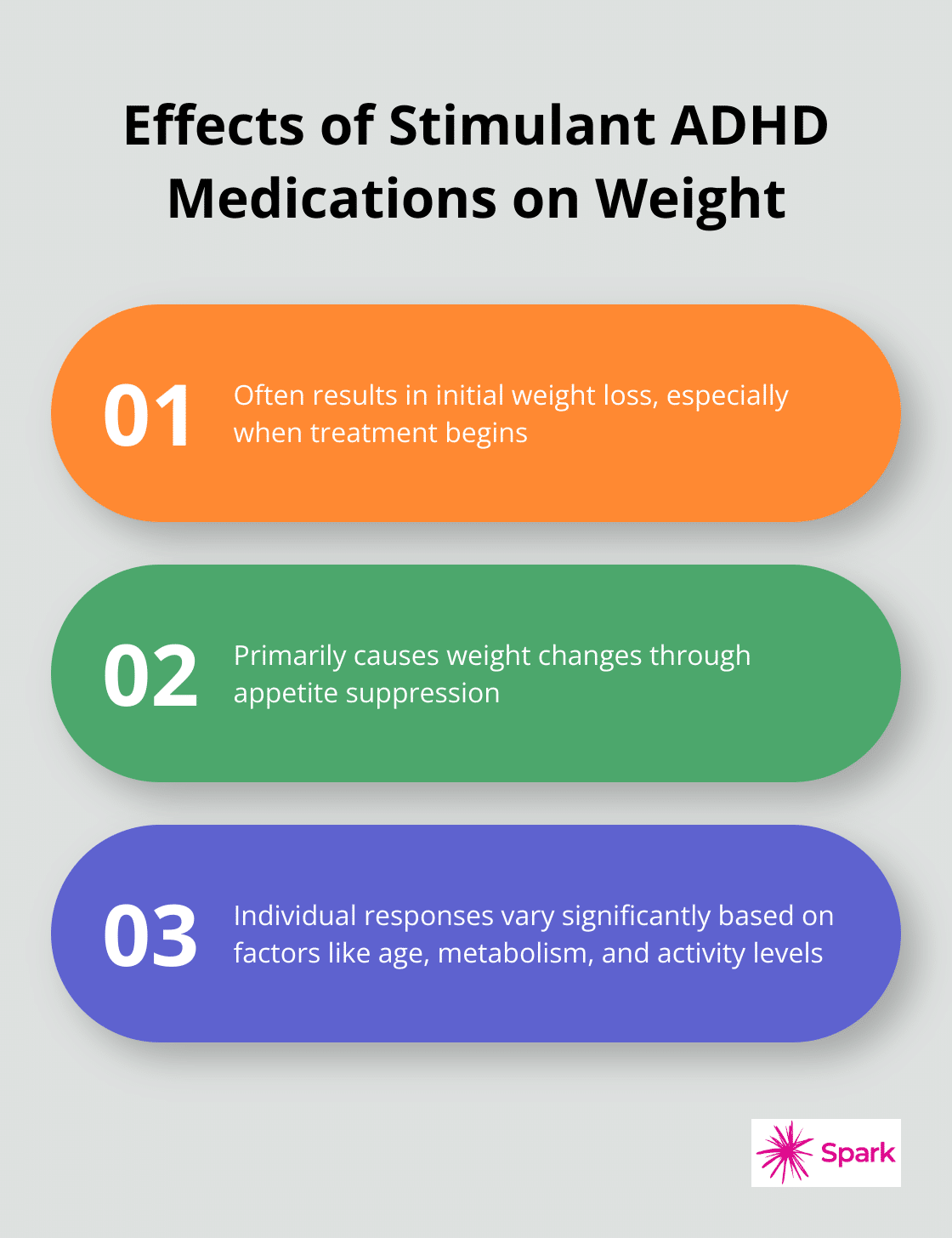
- Appetite Suppression: One of the most common side effects is a significant decrease in appetite, which can lead to weight loss and nutritional deficiencies if not carefully monitored.
- Sleep Disturbances: Stimulants can interfere with the ability to fall asleep or maintain deep sleep, creating a feedback loop where sleep deprivation worsens ADHD symptoms the following day.
- Emotional Blunting: Some parents and clinicians report a “zombie-like” effect, where the child appears overly subdued or loses their characteristic personality traits while on medication.
- Anxiety and Irritability: In some cases, stimulant use can exacerbate underlying anxiety or lead to increased emotional volatility.
Because of these variables, many pediatricians advocate for a multimodal approach. This involves combining medication with behavioral therapy, educational support, and lifestyle adjustments. Relying on a single intervention often fails to address the complexity of the disorder.
What legal protections exist for students with ADHD?
In the United States, two primary legal frameworks are designed to support students with disabilities, including ADHD: the Individuals with Disabilities Education Act (IDEA) and Section 504 of the Rehabilitation Act of 1973. However, there is often a significant gap between legal entitlement and classroom reality.
IDEA (Individuals with Disabilities Education Act): This law provides for Individualized Education Programs (IEPs). An IEP is a legally binding document that outlines specific, measurable goals and the specialized instruction or services a student requires to make progress. This can include speech therapy, occupational therapy, or specialized teaching methods.
Section 504: A 504 Plan is generally less intensive than an IEP but provides accommodations to ensure a student has equal access to education. Common 504 accommodations for ADHD include extended time on tests, preferential seating away from distractions, or permission to use fidget tools. While these are “rights,” the implementation depends heavily on the resources and training available within a specific school district.
The challenge for many families is the “burden of advocacy.” Parents must often act as quasi-legal experts to ensure that the accommodations promised in a 504 plan or IEP are actually being utilized by classroom teachers who may be overwhelmed or undertrained.
What is the long-term economic impact of failing ADHD students?
From a macroeconomic perspective, the failure to effectively support neurodivergent students represents a significant loss of human capital. ADHD is not just a childhood issue; it is a lifelong condition that follows individuals into adulthood.
When students are not provided with the tools to manage their executive dysfunction early on, they are at a higher risk for academic underachievement, higher dropout rates, and difficulties maintaining stable employment. This has direct implications for workforce productivity and increases the long-term demand on social safety nets.
Conversely, when neurodivergent individuals are supported through appropriate educational scaffolding, they often bring unique strengths to the workforce, including hyper-focus, creative problem-solving, and “out-of-the-box” thinking. Investing in effective, non-pharmacological classroom support is, therefore, not just a matter of educational equity, but a matter of long-term economic efficiency.
Comparison: Medication vs. Environmental Intervention
| Feature | Stimulant Medication | Environmental/Behavioral Support |
|---|---|---|
| Primary Goal | Regulation of neurotransmitters to improve focus. | Modification of surroundings and skill-building. |
| Mechanism | Biological/Chemical intervention. | Structural/Cognitive intervention. |
| Common Side Effects | Appetite loss, sleep issues, anxiety. | Requires increased time and teacher training. |
| Sustainability | Requires daily administration; “rebound” effects. | Builds long-term coping and organizational skills. |
What practical strategies can improve ADHD outcomes in schools?
Experts in neurodiversity-affirming education suggest a shift toward Universal Design for Learning (UDL). Instead of retrofitting accommodations for a single student, UDL encourages teachers to design curricula that are inherently flexible, benefiting all students.
Practical strategies include:
- Scaffolding Executive Function: Teaching students how to use planners, break down large projects into “micro-tasks,” and use visual timers.
- Sensory Management: Providing “quiet zones,” allowing for movement breaks, and reducing visual clutter in the classroom.
- Flexible Assessment: Allowing students to demonstrate knowledge through oral presentations, videos, or hands-on projects rather than solely through timed, written exams.
- Direct Instruction in Social-Emotional Learning (SEL): Helping students recognize their emotional triggers and providing tools for self-regulation.
By moving away from a model of “compliance through medication” and toward a model of “competence through adaptation,” schools can better serve the needs of neurodivergent students and prepare them for the complexities of adult life.
The next major milestone for ADHD policy in the United States will be the upcoming review of special education funding allocations by the Department of Education, which may influence how school districts implement IDEA and 504 mandates. We will continue to monitor these regulatory developments.
Do you have experience navigating ADHD support in the school system? Share your perspective in the comments below and share this article to raise awareness.