Retail dynamics in Germany frequently hinge on strategic weekend promotions designed to maximize foot traffic and clear seasonal inventory. In the state of Saxony, EDEKA is implementing a targeted sales event on Saturday, May 2, 2026, featuring a diverse array of discounts spanning fresh produce, household goods, and electronics. These promotions are characteristic of the German grocery sector’s approach to “loss leader” pricing, where high-demand items are heavily discounted to draw consumers into the store.
The May 2 event is particularly timed to coincide with the onset of the spring grilling season and the peak of the regional asparagus harvest, both of which are significant cultural and economic drivers in German retail. By bundling seasonal perishables with high-margin non-food items, the retailer aims to increase the average basket value while maintaining a competitive edge in the regional market.
A central component of this promotional strategy is the integration of the EDEKA App, which provides tiered pricing. Certain products are offered at a standard discount, while “App-prices” provide deeper savings, incentivizing digital adoption and allowing the company to gather valuable consumer data for future personalized marketing efforts. This hybrid pricing model reflects a broader trend in global retail toward omnichannel loyalty programs.
Seasonal Staples and the ‘Spargelzeit’ Economy
In Germany, the arrival of asparagus season, or Spargelzeit, triggers a predictable but intense surge in consumer demand. For the May 2 event in Saxony, EDEKA has positioned asparagus as a primary draw. Green asparagus is priced at €3.99, while white and violet varieties are listed at €4.99. For users of the official mobile application, the price for white and violet asparagus drops further to €3.99.
This focus on seasonal produce is complemented by a robust selection of grilling supplies, reflecting the transition into warmer weather. The promotional lineup includes Thuringian Rostbratwurst for €4.99 and grill corn at €1.99 per unit. Meat promotions are particularly aggressive, with chicken wings priced at €0.55, representing a 38% reduction from the original price of €0.89. High-value proteins also see reductions, such as Costa Pacific Prawns, which are discounted by 27% to €7.99, with a further reduced “App-price” of €6.99, a total saving of 36%.
To support these main courses, the retailer is discounting complementary products, such as Knorr Schlemmersaucen, which are available for €0.99, down from €1.69—a 41% discount. These pricing strategies are designed to capture the entirety of the consumer’s “grill night” shopping list in a single visit to the EDEKA marketplace.
Diversification via Non-Food ‘Highlight’ Offers
Beyond groceries, the May 2 event emphasizes non-food categories, a common tactic used by European supermarkets to increase impulse purchases. The “highlights” for this Saturday include a wide range of lifestyle and home products with significant price cuts.

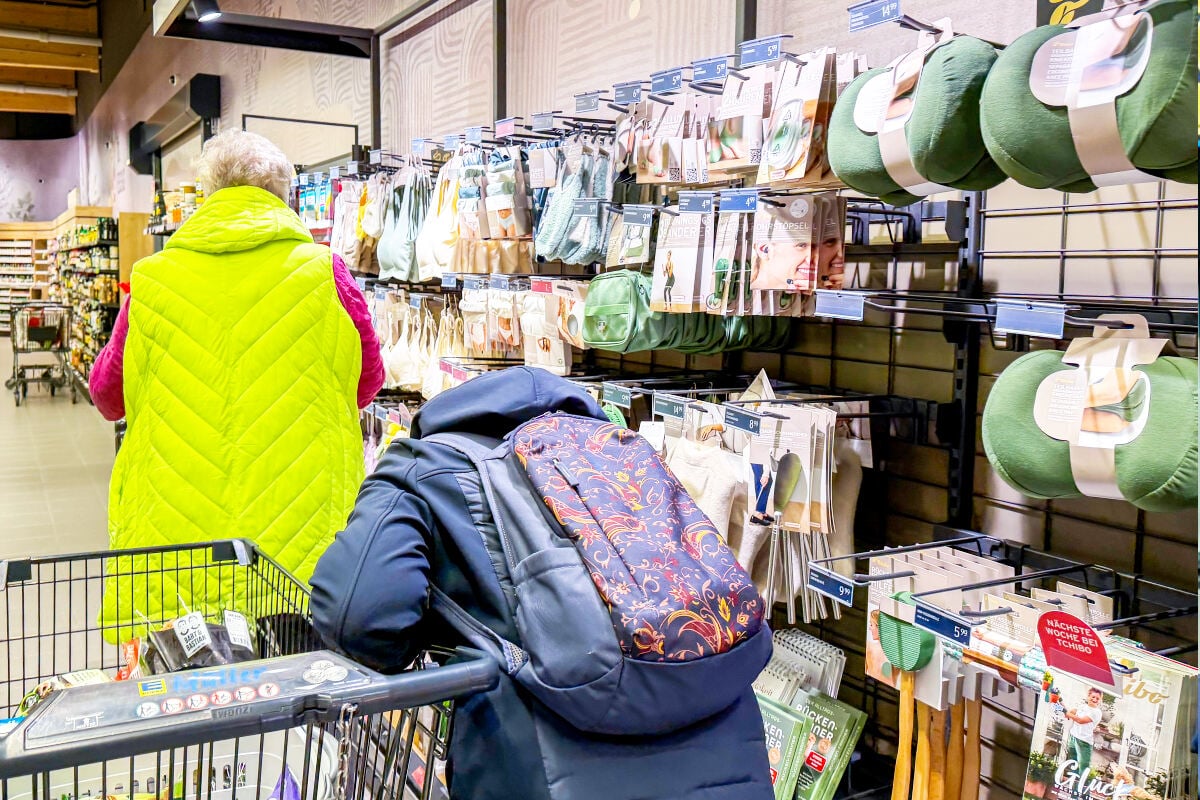
Home comfort items are heavily featured, most notably heart-shaped pillows priced at €4.99, a 61% discount from the original €12.95. This diversification extends into electronics and accessories, with digital radios offered at €29.99—a 49% reduction from the standard €59.95. Other non-food offerings include backpacks for €14.99, photo cubes for €6.99, and men’s boxershorts for €9.99, which is a 59% discount from the original price of €24.95.
Even niche items are included in the promotional cycle, such as “pick’em” flavored toothpicks for €3.33. By mixing essential groceries with these varied consumer goods, the retailer leverages the high frequency of grocery shopping to move inventory in categories that typically have slower turnover rates.
The Role of Digital Integration in Modern Retail
The disparity between standard promotional prices and “App-prices” highlights the strategic shift toward digital ecosystem lock-in. By requiring the download of the EDEKA App to access the lowest possible price points—such as the €3.99 price for white asparagus or the €6.99 price for prawns—the retailer transforms a one-time discount seeker into a registered user.
This digital strategy serves several business objectives:
- Customer Retention: App users are more likely to receive push notifications about future sales, increasing the frequency of store visits.
- Data Collection: Digital transactions allow the retailer to track individual purchasing habits, enabling more precise inventory management and targeted offers.
- Operational Efficiency: Digital coupons reduce the need for printed flyers and manual clipping, streamlining the checkout process.
For those unable to visit physical locations in Saxony, the company maintains a broader digital presence through EDEKA24, its online shop that handles nationwide shipping across Germany via partners such as DHL and GLS, focusing primarily on long-term shelf-stable goods.
Key Promotional Summary: May 2 (Saxony)
| Product | Promotional Price | Original Price | Discount % |
|---|---|---|---|
| Heart Pillows | €4.99 | €12.95 | 61% |
| Digital Radio | €29.99 | €59.95 | 49% |
| Men’s Boxershorts | €9.99 | €24.95 | 59% |
| Knorr Schlemmersaucen | €0.99 | €1.69 | 41% |
| Chicken Wings | €0.55 | €0.89 | 38% |
As the retail landscape continues to evolve, the combination of deep seasonal discounts and app-based loyalty pricing remains a potent tool for maintaining market share in the competitive German grocery sector. Consumers are encouraged to check their local store’s specific availability, as regional variations in stock may occur.

The next scheduled phase of seasonal promotions typically follows the May holidays, with a shift toward early summer inventory. Readers are encouraged to share their experiences with these retail trends in the comments below.