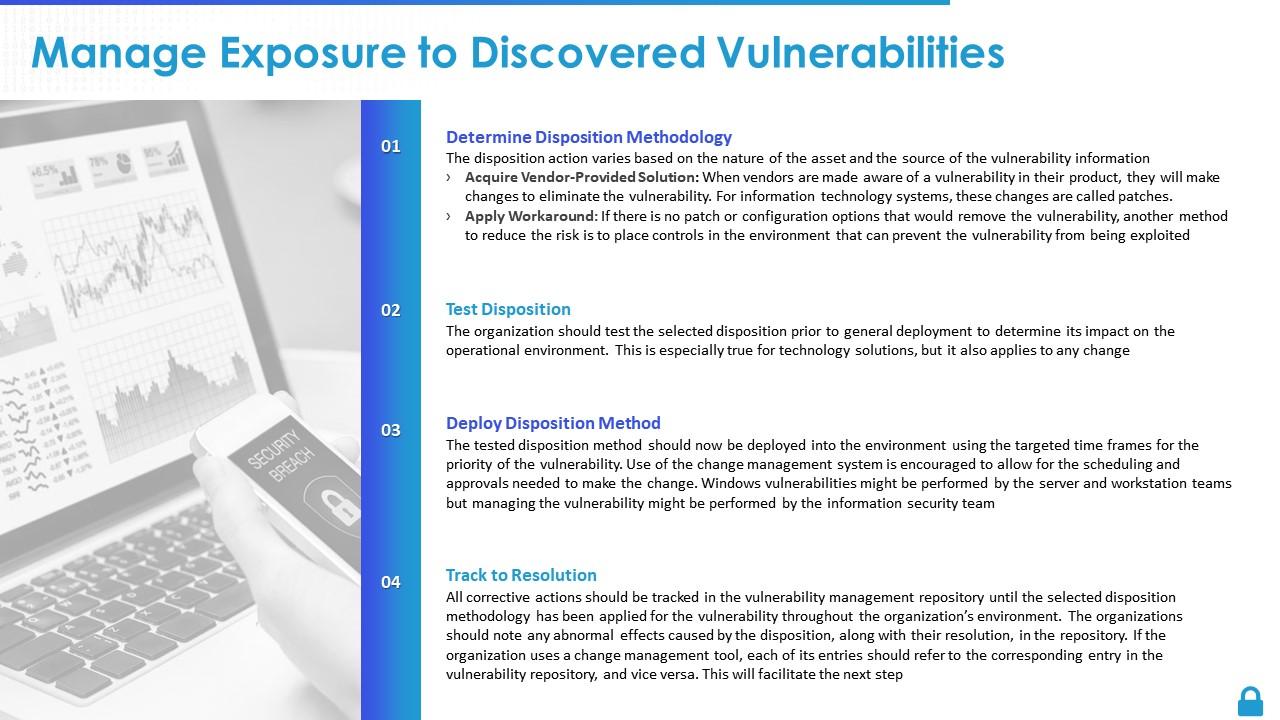
In the high-stakes world of enterprise security, the traditional cadence of patch management is no longer sufficient to keep pace with modern digital threats. As the window of time between the discovery of a vulnerability and its exploitation continues to shrink, security operations centers are facing an unprecedented challenge. This “shrinking exposure window” is forcing a fundamental reassessment of how organizations identify, validate, and remediate critical weaknesses in their software supply chains and internal systems.
The core of this issue lies in the widening gap between the speed of automated, AI-driven offensive tactics and the manual, often fragmented, defensive workflows that characterize many legacy environments. For today’s Chief Information Security Officers (CISOs), the objective is no longer just “patching,” but rather achieving a state of proactive resilience that can withstand the rapid iteration of modern cyberattacks.
The Shift in Vulnerability Management
The concept of an exposure window—the period during which a system is vulnerable to an exploit—is being compressed by the integration of artificial intelligence in threat actor toolkits. Historically, security teams relied on periodic scanning and scheduled patch cycles. However, as noted in recent guidance from the Cybersecurity and Infrastructure Security Agency (CISA), organizations must now adopt more agile frameworks to secure their infrastructure against increasingly sophisticated AI-driven threats.
This reality has pushed the conversation from the server room to the boardroom. Vulnerability risk is now a primary topic of discussion for corporate boards, as the potential for financial and reputational damage from a single, unpatched exploit has reached critical levels. To address this, industry leaders are moving toward a risk-based approach, prioritizing remediation efforts based on the actual exploitability of a vulnerability rather than simply its severity score.
Navigating the Software Supply Chain
A significant hurdle in this new security landscape is the complexity of modern software ecosystems. With the rise of interconnected systems and third-party dependencies, identifying where a vulnerability exists is often more tricky than fixing it. The joint guidance released by CISA and G7 partners on the Minimum Elements of a Software Bill of Materials (SBOM) for Artificial Intelligence highlights the urgent need for greater transparency. By maintaining a clear inventory of software components, organizations can significantly reduce the time spent on “discovery” during an incident.
For IT professionals, the Certified Information Systems Auditor (CISA) designation remains a standard for those tasked with assessing these complex systems. The certification emphasizes a risk-based approach to auditing, which is essential for evaluating whether a company’s remediation processes are truly effective against modern, rapid-fire exploitation techniques.
Practical Steps for Enterprise Resilience
As organizations look to fortify their defenses, the move toward automation and proactive isolation is becoming a priority. Initiatives such as CISA’s CI Fortify are designed to help bolster the resilience of critical infrastructure through proactive recovery capabilities. For the average enterprise, So investing in tools that can automatically validate vulnerabilities and prioritize those that represent the highest risk to the business.
Key areas for organizations to rethink include:
- Automated Validation: Moving away from manual verification to automated processes that confirm whether a vulnerability is reachable and exploitable in the current environment.
- Supply Chain Transparency: Adopting SBOM standards to ensure that vulnerabilities in third-party libraries or AI models are identified immediately.
- Board-Level Alignment: Ensuring that security metrics are translated into business risk metrics to facilitate better resource allocation.
Looking Ahead
The pace of technological change shows no signs of slowing, and the integration of agentic AI into both defensive and offensive security operations will continue to redefine the landscape. Organizations are encouraged to stay updated with the latest alerts and guidance from federal authorities, such as the Known Exploited Vulnerabilities (KEV) Catalog, which provides a centralized resource for tracking the threats that are currently being leveraged in the wild.
As we navigate this complex environment, the focus must remain on agility, visibility, and a disciplined approach to risk. For further updates on national security initiatives and emerging guidance, stakeholders should continue to monitor official channels from CISA and their international partners. Do you have thoughts on how your organization is adapting to the shrinking exposure window? Share your experiences in the comments below.
Keep reading