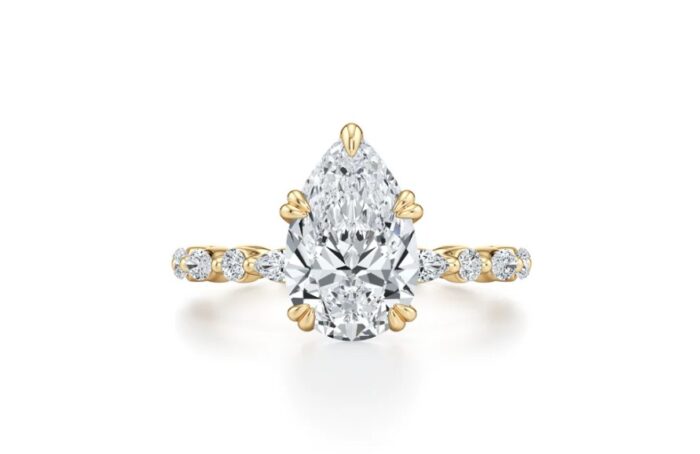
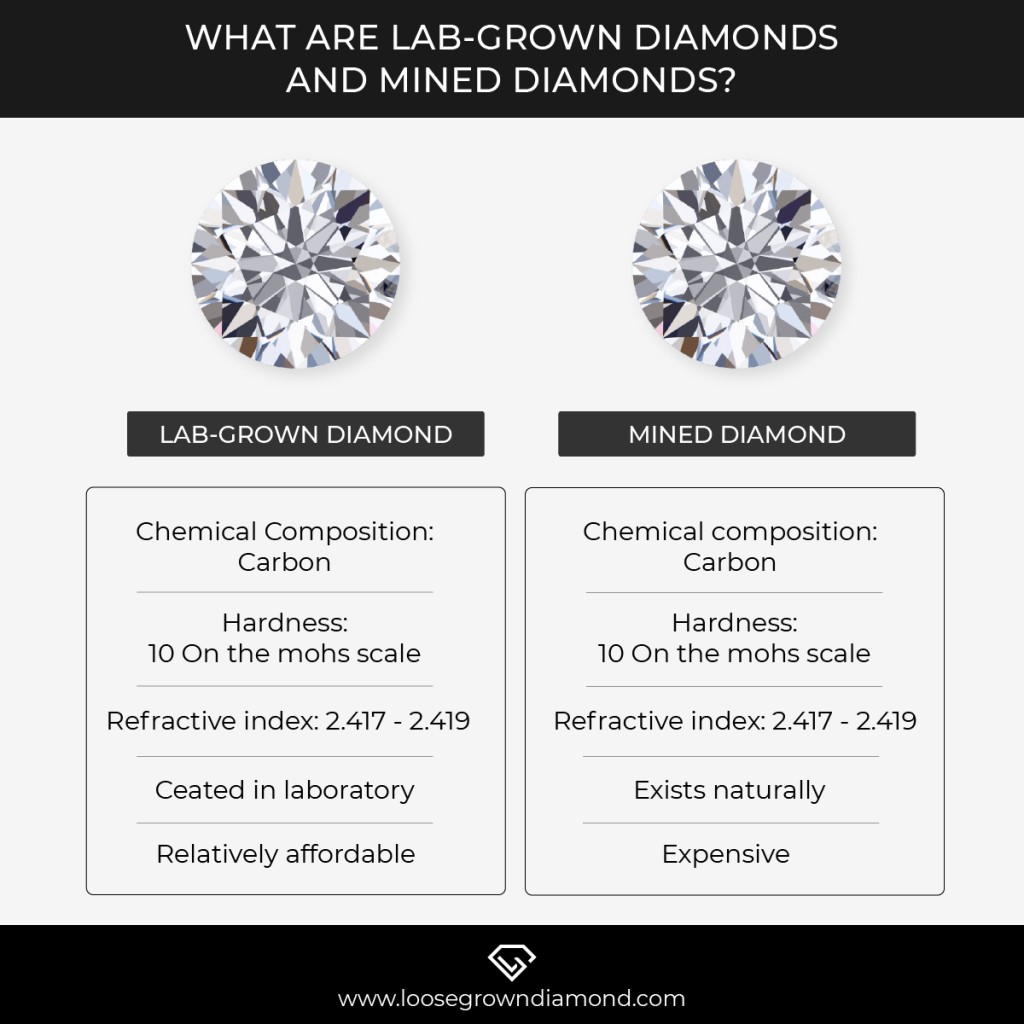
The solitaire engagement ring remains the most requested style in bridal jewelry, characterized by its singular focus on a center stone and its minimalist structural integrity. As demand shifts toward sustainable options, the solitaire lab-grown engagement ring has emerged as a primary choice for modern couples, offering the traditional aesthetic of a mined diamond with a different supply chain origin. According to the Federal Trade Commission (FTC), lab-grown diamonds are chemically, physically, and optically identical to mined diamonds, a distinction that has influenced consumer purchasing patterns over the last decade.
The enduring popularity of the solitaire setting is rooted in its architectural transparency. Unlike halo or pavé settings that use smaller stones to add visual mass, the solitaire leaves the band, the prongs, and the girdle of the center stone entirely visible. This design requires high-quality craftsmanship, as there are no secondary elements to obscure imperfections in the metalwork or the diamond itself. For consumers, this transparency is a functional benefit, allowing for a clear inspection of the stone’s clarity and cut.
Why the Solitaire Lab-Grown Diamond Is Gaining Traction
Market data indicates a significant rise in the adoption of lab-grown stones for engagement rings. According to a report by Bain & Company, the share of lab-grown diamonds in the total diamond jewelry market has expanded rapidly, driven by price accessibility and consumer interest in alternative production methods. When paired with a solitaire setting, these stones provide a high-carat appearance at a lower price point than natural diamonds of equivalent size and quality.
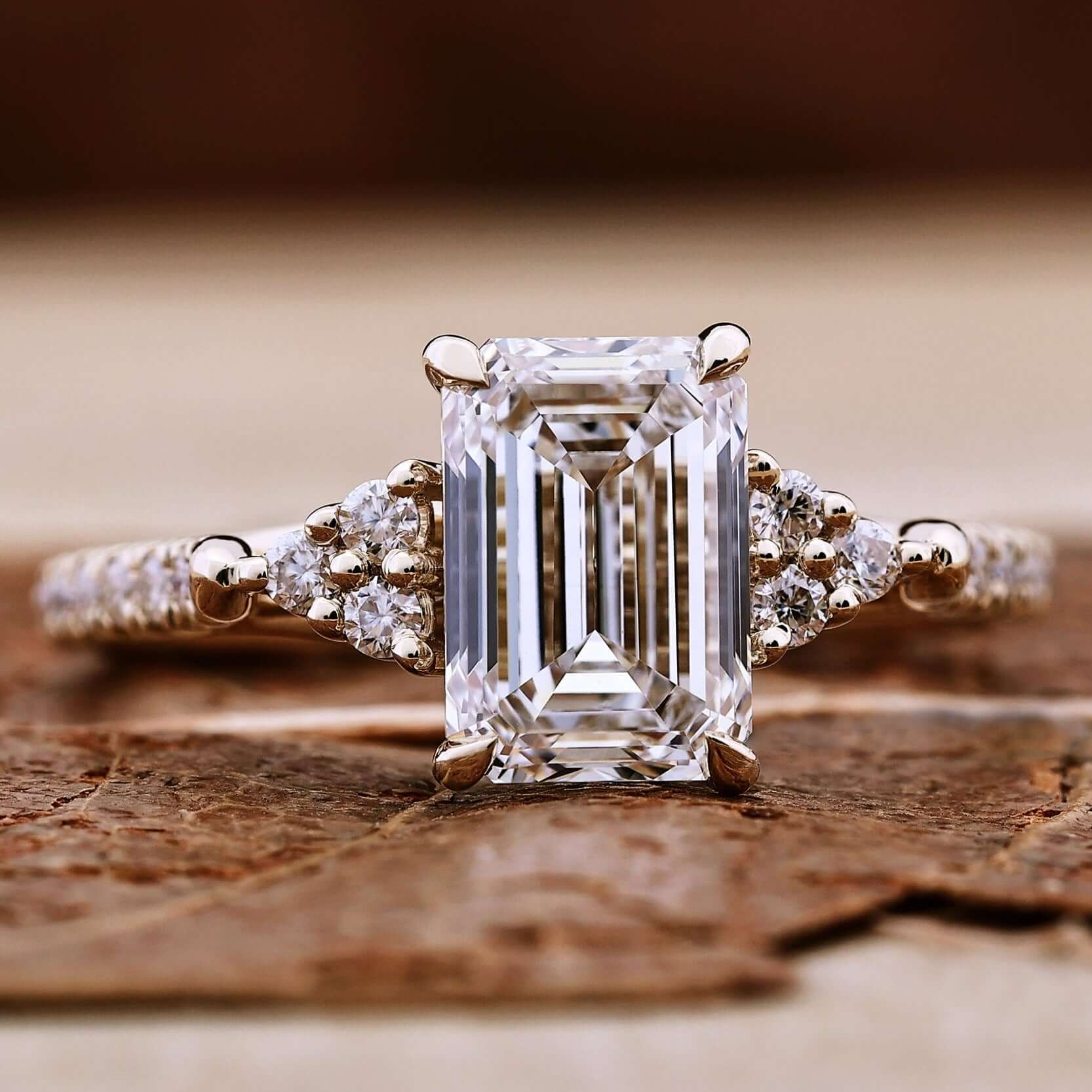
The solitaire setting also serves as a versatile foundation for various diamond shapes. While the round brilliant remains the industry standard, jewelers report increased interest in emerald, oval, and pear cuts. Because the solitaire setting is relatively simple, it allows for customization of the band—such as choosing between yellow gold, white gold, or platinum—without detracting from the center stone. This modularity is a key factor in why the style has not lost relevance despite changing fashion trends.
Understanding the Structural Integrity of the Solitaire
The longevity of a ring depends heavily on its setting, and the solitaire is no exception. The most common mounting style is the four-prong or six-prong setting. A six-prong setting, often referred to as a “Tiffany-style” setting, provides greater security for the stone by distributing the pressure across more points of contact. According to standards published by the Gemological Institute of America (GIA), the security of a stone is determined by the precision of the prongs, which must be regularly inspected for wear or damage to prevent stone loss.
The “openness” of the solitaire also affects how light enters the diamond. A high-set solitaire allows for maximum light entry from the sides and bottom, which can enhance the brilliance and fire of a well-cut stone. Conversely, a low-profile setting protects the diamond from impact but may slightly limit the light performance. Consumers often weigh these factors based on their daily activity levels and personal aesthetic preferences.
Market Considerations and Consumer Expectations
When purchasing a solitaire lab-grown engagement ring, industry experts recommend focusing on the “Four Cs”: cut, color, clarity, and carat weight. Because lab-grown diamonds are created in controlled environments, they often exhibit fewer inclusions than natural diamonds, though they are still graded using the same criteria. As reported by JCK Online, a leading trade publication, the transparency of the lab-grown market has led to increased standardization in grading reports, providing buyers with more verified data than in previous decades.
It is important to note that the resale value of lab-grown diamonds differs from that of natural diamonds. While natural diamonds are often marketed as assets with potential appreciation, the price of lab-grown stones is tied to manufacturing costs, which have trended downward as technology improves. Couples are encouraged to view these rings primarily as pieces of fine jewelry rather than financial investments.
What Happens Next for the Bridal Jewelry Market
The jewelry industry continues to monitor shifts in consumer behavior regarding sustainability and sourcing. According to the Responsible Jewellery Council, transparency in the supply chain remains a priority for both mined and lab-grown diamond producers. As technology evolves, the industry anticipates further advancements in the efficiency of diamond synthesis, which may continue to influence market pricing and availability.
:max_bytes(150000):strip_icc()/the-us-federal-trade-commission--ftc--bu-71968930-e5e36febe53543aaa53329c6c17fc982.jpg "What Happens Next for the Bridal Jewelry Market")
Prospective buyers should look for upcoming reports from major grading laboratories, such as the GIA or the International Gemological Institute (IGI), which periodically update their standards for synthetic stone identification. These updates ensure that the market remains transparent and that consumers can verify the origin of their purchase. For those currently shopping, checking for updated certification policies through official jeweler websites remains the most reliable way to ensure the quality of a solitaire engagement ring.
Have questions about your jewelry purchase or want to share your experience with solitaire settings? Join the conversation in the comments below.
Related reading