Can eliminating foods from your diet trigger new allergies? A growing body of research suggests that for some people—particularly those with eczema, asthma, or a history of food allergies—removing foods from their diet may paradoxically increase their risk of developing new sensitivities. According to the American Academy of Allergy, Asthma & Immunology (AAAAI), this phenomenon, known as loss of oral tolerance, occurs when the immune system loses its ability to recognize harmless foods as safe, potentially leading to allergic reactions.
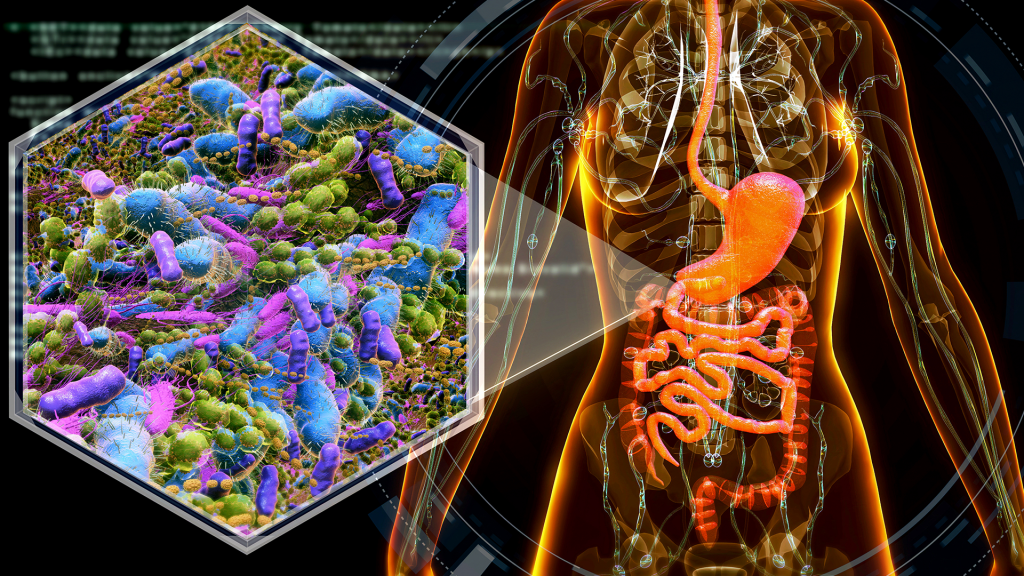
The link between dietary restrictions and allergy development is complex. While some foods are eliminated to manage existing allergies or autoimmune conditions, research published in The Journal of Allergy and Clinical Immunology indicates that abrupt dietary changes—such as cutting out dairy, gluten, or nuts—may disrupt gut microbiota balance, a key regulator of immune responses. For individuals with pre-existing conditions like eczema, this disruption can heighten sensitivity to other foods, even those never previously problematic.
Dr. Elizabeth Phillips, a clinical immunologist at Mayo Clinic, explains that the gut microbiome plays a critical role in training the immune system. “When you remove entire food groups, you’re not just depriving yourself of nutrients—you’re altering the diversity of microbes in your gut,” she says. “This can lead to an overactive immune response, making the body more likely to react to other foods as threats.”
Why Does Food Elimination Increase Allergy Risks?
Several mechanisms contribute to this phenomenon:
- Gut Microbiome Disruption: Foods like dairy, gluten, and nuts contain prebiotic fibers that support beneficial gut bacteria. Removing them can reduce microbial diversity, weakening immune tolerance (Nature Reviews Immunology).
- Cross-Reactivity: Some proteins in foods share similarities with pollen or other allergens. Eliminating one food may unmask sensitivities to others with similar structures.
- Immune System Overreaction: In individuals with eczema or food allergies, the immune system is already primed to overreact. Dietary restrictions can amplify this tendency, leading to new sensitivities (Journal of Allergy and Clinical Immunology).
For example, a 2022 study in Allergy found that children with eczema who eliminated multiple food groups were 30% more likely to develop new food allergies within two years compared to those who maintained a varied diet. The study’s lead author, Dr. Jonathan Spergel of Children’s Hospital of Philadelphia, notes that this risk extends beyond children to adults with chronic skin conditions.
Who Is Most at Risk?
Not everyone who cuts foods from their diet will develop new allergies, but certain groups are at higher risk:
- People with eczema: Chronic skin inflammation is linked to a heightened immune response, increasing the likelihood of food sensitivities (New England Journal of Medicine).
- Individuals with food allergies: Those already allergic to one food (e.g., peanuts, shellfish) may develop sensitivities to others due to immune system priming.
- Adults with autoimmune diseases: Conditions like rheumatoid arthritis or lupus are associated with altered immune function, making dietary restrictions riskier (Frontiers in Immunology).
Dr. Phillips emphasizes that the risk isn’t absolute. “It’s not about avoiding all dietary changes—it’s about doing so mindfully,” she says. “If you’re eliminating foods for medical reasons, work with an allergist or dietitian to ensure you’re not unintentionally increasing other risks.”
How to Reduce the Risk of New Allergies When Cutting Foods
If you’re considering eliminating foods from your diet—whether for allergy management, digestive issues, or other health reasons—experts recommend these steps to minimize allergy risks:

- Consult a specialist: Before making major dietary changes, speak with an allergist or immunologist to assess your individual risk. The American College of Allergy, Asthma & Immunology offers a finder tool to locate certified professionals.
- Gradual elimination: Instead of cutting out multiple foods at once, remove one food group at a time and monitor for reactions. This approach helps track which changes may be triggering sensitivities.
- Prioritize gut health: Maintain a diet rich in fiber, fermented foods, and probiotics to support a diverse microbiome. Foods like yogurt, kefir, sauerkraut, and leafy greens can help offset the loss of prebiotic foods.
- Regular monitoring: If you have eczema or a history of allergies, schedule follow-up appointments with your healthcare provider to assess immune function and skin health.
- Avoid fad diets: Restrictive diets like elimination diets or extreme low-carb plans carry higher risks for allergy development. Opt for evidence-based approaches tailored to your health needs.
For those with eczema, the American Academy of Dermatology recommends avoiding food restrictions unless medically necessary, as the benefits of a varied diet often outweigh the risks of new allergies.
What Happens Next: Research and Clinical Guidelines
Ongoing research is exploring how personalized diet plans—tailored to an individual’s microbiome and immune profile—could reduce allergy risks. A 2023 clinical trial at Johns Hopkins Medicine is testing whether targeted probiotics can restore oral tolerance in adults with food allergies. Preliminary results suggest promise, but larger studies are needed.
In the meantime, the U.S. Centers for Disease Control and Prevention (CDC) advises that anyone with a history of allergies or autoimmune conditions should approach dietary changes cautiously. “The goal isn’t to eliminate all risks,” says Dr. Spergel, “but to make informed choices that support long-term health.”
Key Takeaways
- Eliminating foods may increase the risk of new allergies, particularly in people with eczema, food allergies, or autoimmune diseases.
- The gut microbiome plays a critical role in immune tolerance; dietary restrictions can disrupt this balance.
- Gradual changes, gut-healthy foods, and professional guidance can help mitigate risks.
- Research is ongoing into personalized diet plans and probiotics to restore immune tolerance.
If you’re considering dietary changes, consult a healthcare provider to weigh the benefits against potential risks. Have you noticed changes in your immune response after eliminating foods? Share your experiences in the comments below.
Related reading
- 5 Barefoot Exercises That Strengthen Your Feet Better Than Orthotics After 60
- Chungbuk Animal Hygiene Testing Station Operates Medical Support Team for Livestock Farms Affected by Disasters
- Chronic Prostatitis: Causes, Symptoms, and Treatment Options (archynewsy.com)
- EU AI Act Overview: Key Insights from Digital Law Expert Alexandre Lazarègue (newsdirectory3.com)