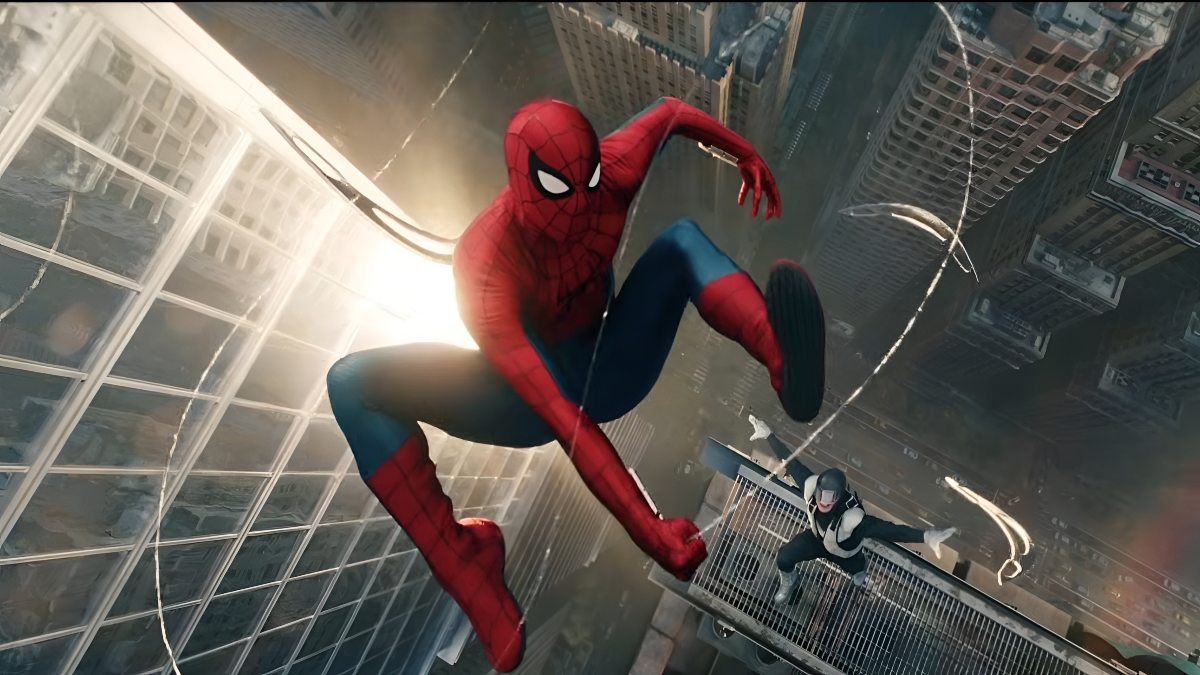
Día de Spider-Man is celebrated annually by comic book enthusiasts worldwide to mark the historic debut of the web-slinging hero in Amazing Fantasy #15. Published by Marvel Comics, the issue introduced Peter Parker to the world, establishing a new paradigm for teenage superheroes who grappled with everyday personal struggles alongside extraordinary responsibilities. Written by Stan Lee and illustrated by Steve Ditko, the legendary comic established an enduring cultural touchstone that continues to influence modern pop culture, film franchises, and global fandoms decades after its initial release.
According to Marvel Comics historical records, Amazing Fantasy #15 officially hit newsstands in August 1962. At the time, the anthology series was facing cancellation, giving creators Stan Lee and Steve Ditko unexpected freedom to experiment with a character that publisher Martin Goodman initially resisted. Goodman famously worried that teenagers would not embrace a hero with actual flaws, and that readers inherently disliked spiders. Despite these early reservations, the resulting 11-page story resonated immediately with readers, turning a failing comic book title into an unprecedented commercial success.
The narrative core of the debut issue centers on Peter Parker, an orphaned high school outcast living with his Aunt May and Uncle Ben in Queens, New York. After gaining proportional spider abilities from a radioactive arachnid bite during a science exhibition, Peter initially exploits his powers for personal fame and financial gain. However, a pivotal tragedy alters his trajectory forever. When Peter chooses not to stop a fleeing burglar who later murders Uncle Ben, he learns a harsh lesson about accountability. The issue famously concludes with the enduring moral maxim: “With great power there must also come—great responsibility!”
The Creative Partnership Behind the Icon
The creation of Spider-Man remains one of the most studied collaborations in comic book history, pairing Stan Lee’s knack for relatable dialogue with Steve Ditko’s distinct visual aesthetic. Ditko designed the character’s iconic red-and-blue costume, full-face mask, and web-shooters, moving away from the traditional exposed-face designs common among superheroes of the era. This visual choice allowed readers of any background to project themselves directly into the role of Peter Parker beneath the mask.
Beyond the visual appeal, the character revolutionized the industry by introducing genuine human vulnerability into superhero fiction. Unlike established icons who operated as flawless adults, Peter Parker struggled with unpaid bills, social rejection at Midtown High School, romantic uncertainties, and the constant guilt of keeping his secret identity hidden from Aunt May. This grounded approach transformed comic book storytelling, proving that readers craved protagonists who mirrored their own real-world anxieties.
Cultural Impact and the Legacy of Amazing Fantasy #15
The immediate popularity of Amazing Fantasy #15 led directly to the launch of The Amazing Spider-Man #1 in March 1963. Over the subsequent six decades, the character expanded into animated series, multi-billion-dollar cinematic universes, merchandising empires, and video game adaptations. Original copies of the 1962 debut issue routinely command hundreds of thousands of dollars at major auction houses, reflecting its status as a cornerstone of American pop culture.
As fans and cultural institutions mark Día de Spider-Man each year, celebrations typically include digital retrospectives, comic book conventions, and community events dedicated to the history of Marvel’s flagship hero. Readers looking to explore the original source material can find digital reproductions and collected editions through official platforms like the Marvel Unlimited digital comics service, ensuring that Peter Parker’s origin story remains accessible to new generations of readers worldwide.
Keep reading