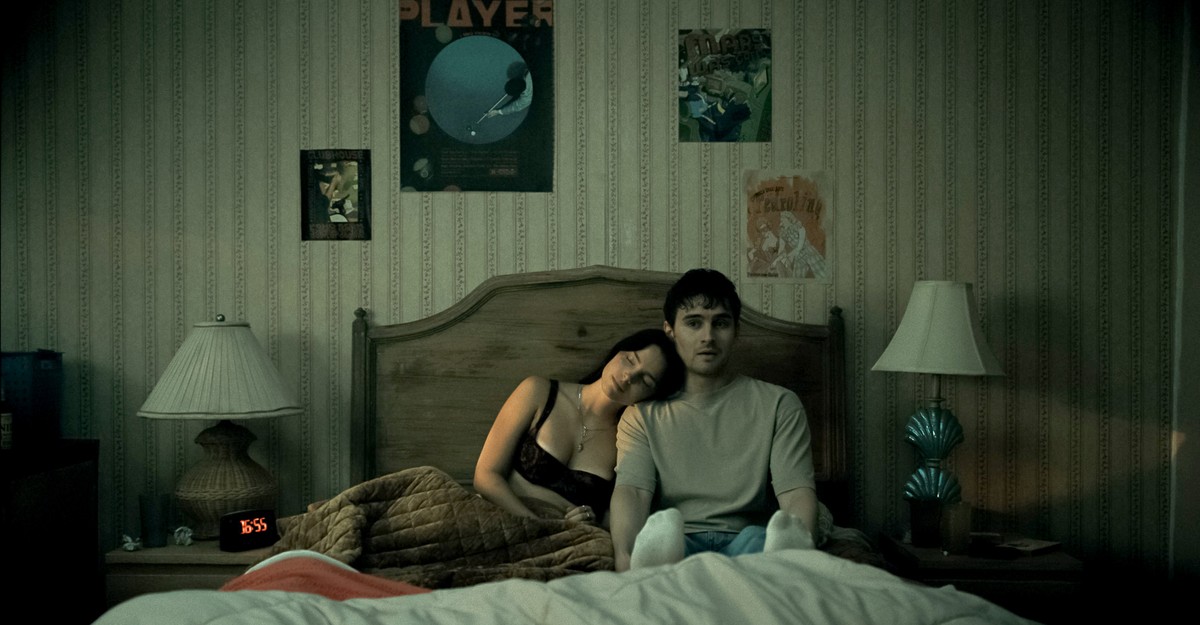
The horror genre has long served as a vessel for societal anxieties, but few recent entries have captured the specific, digital-age neuroses of a generation quite like Obsession. Directed by Curry Barker, the film has emerged as a breakout hit, resonating with audiences by externalizing the crushing weight of modern social apprehension. Through its narrative, the film explores the profound discomfort many young adults experience when faced with the necessity of authentic vulnerability in an era increasingly defined by curated online personas and the avoidance of interpersonal friction.
At its core, Obsession follows the story of Bear, a young man working at a record store who finds himself caught in a paralyzing cycle of romantic indecision. Unable to navigate the complexities of confessing his feelings to his co-worker, Nikki, he turns to a supernatural “quick fix”—a wish-granting object known as a One Wish Willow. The consequences of this choice are immediate and devastating, transforming a relatable human dilemma into a dark, genre-bending nightmare. The film’s success is notable; according to recent industry reports, the feature has grossed over $100 million against a production budget of less than $1 million, signaling a massive return on investment for the project.
The Anatomy of Gen Z Social Anxiety
The film’s resonance is largely attributed to its depiction of what many researchers describe as a growing aversion to direct, potentially uncomfortable human connection. In the narrative, Bear’s reluctance to engage in honest communication with Nikki is not merely a plot device; it is a commentary on the “fear of confrontation” that defines much of the current social landscape. By choosing to magically manipulate Nikki’s affections rather than risk the vulnerability of a conversation, Bear embodies the desire for instant, painless results—a mindset often linked to the instant-gratification culture fostered by social media and smartphone reliance.

Barker, at 26 years old, leverages his own background in creating digital content to weave these themes into the fabric of the film. By incorporating cultural touchstones—such as the use of the 1960 ballad “Forever” by the Little Dippers, which gained traction through popular online audio trends—the movie establishes a shorthand with its audience. This “IYKYK” (If You Know, You Know) approach allows the film to feel deeply embedded in the lived experience of its target demographic, even as it descends into surrealist horror.
OBSESSION is the first legitimate Gen-Z horror masterpiece. I know … (via instagram.com)
Mirroring the ‘Uncanny Valley’ of Relationships
The horror in Obsession is not merely found in its supernatural elements, but in the degradation of human intimacy. As Nikki’s character undergoes a forced transformation—becoming dangerously protective and increasingly detached from her previous self—the film forces viewers to confront the dark side of “getting what you want.” The visual language of the film, particularly the special effects makeup, has been widely discussed for its “uncanny valley” quality, which mirrors the artificiality often associated with modern digital interactions.
The film’s nihilistic turn, particularly in a scene involving a co-worker named Sarah, underscores the risks associated with Bear’s choices. When Sarah attempts to express her own feelings for Bear, the violent intervention by a possessed Nikki serves as a grim metaphor for the dangers of living in a fantasy world. It suggests that when one chooses to ignore the reality of human emotions, the resulting vacuum is often filled by chaos and destruction.
A Cultural Phenomenon
In the three weeks since its release, Obsession has sparked intense debate across social media platforms. Audiences have spent significant time dissecting the “rules” of the One Wish Willow and debating the moral culpability of the film’s protagonist. Is Bear a victim of his own circumstances, or is he a narcissist whose inability to handle rejection leads to the suffering of those around him? These questions reflect the audience’s appetite for the kind of “close-read” analysis that has become a staple of contemporary film culture.

The film’s success also highlights a shift in how independent, digitally-native filmmakers are reaching audiences. Barker’s transition from YouTube shorts to a feature-length horror hit is a testament to the changing guard in Hollywood, where a deep understanding of internet-native aesthetics can lead to massive commercial success. As the film continues to draw viewers, it remains a primary example of how horror can effectively diagnose the specific malaise of a generation.
Looking Ahead
As Obsession continues its run, the discourse surrounding its themes of romantic failure, emotional stuntedness and the dangers of digital-age avoidance shows no signs of slowing. For now, the film stands as a significant case study in the power of genre cinema to reflect the anxieties of the moment. We encourage our readers to join the conversation; have you seen Obsession, and do you view the film as a cautionary tale or a commentary on the inevitability of modern social isolation? Share your thoughts in the comments section below as we await further updates on the film’s cultural impact.
Related reading