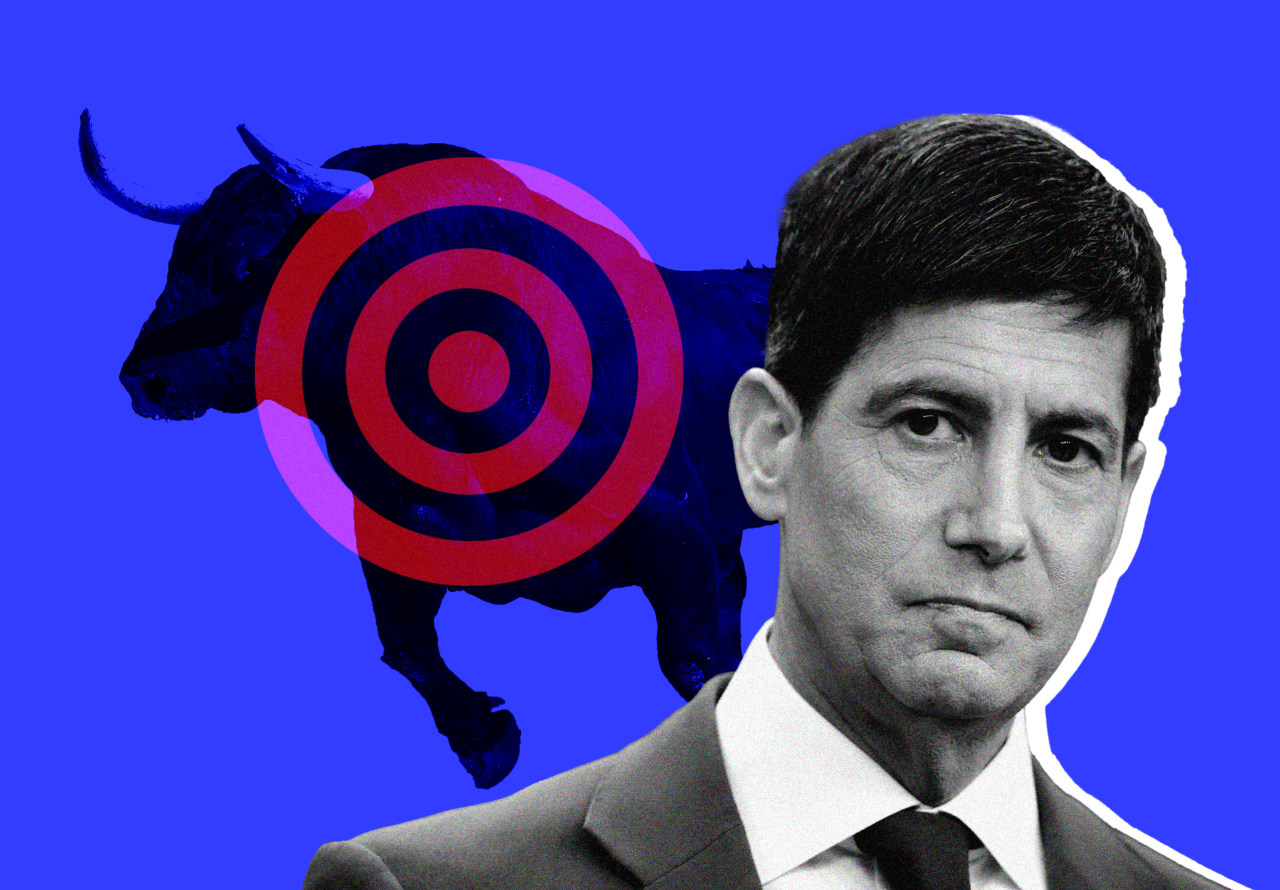
Kevin Warsh, a former member of the Federal Reserve Board of Governors, has emerged as a prominent figure in discussions regarding the future of U.S. monetary policy. Recent market analysis suggests that even if a potential leadership shift brings a more hawkish tone to the Federal Reserve, the current bull market may maintain its momentum. Investors are increasingly evaluating whether the mere threat of rate hikes—rather than aggressive implementation—could serve as a stabilizer for the economy while allowing equities to continue their upward trajectory.
The Federal Reserve’s current approach to interest rates, as outlined in the Federal Open Market Committee (FOMC) meeting schedule, remains the primary driver of market sentiment. According to recent data from Reuters, officials have signaled a cautious stance on further adjustments, balancing inflation targets against labor market resilience. For investors, the distinction between a “hawkish” stance—characterized by higher interest rates to curb inflation—and the actual impact on stock valuations is a critical area of study.
Historical Precedents for Rate Hikes and Market Performance
Market history indicates that equity markets do not always retreat during periods of tightening monetary policy. Data from the Bureau of Labor Statistics regarding historical inflation and interest rate cycles shows that in previous instances, such as the mid-1990s, the stock market continued to gain ground despite incremental increases in the federal funds rate. This phenomenon often occurs when investors perceive that the central bank is acting to prevent the economy from overheating rather than stifling growth.
When the Federal Reserve increases the federal funds rate, borrowing costs for businesses and consumers typically rise, which can dampen corporate profit margins. However, as noted in reports from the International Monetary Fund, the resilience of corporate earnings often acts as a counterweight. If growth expectations remain high, equity prices may continue to climb, as investors prioritize long-term profitability over the immediate increase in the cost of capital.
The Role of Forward Guidance in Modern Markets
Forward guidance—the communication strategy used by central banks to signal future policy intentions—often plays a larger role in market movement than the actual rate adjustments themselves. By signaling a commitment to price stability, a leader like Kevin Warsh might hope to anchor inflation expectations without needing to enact extreme policy shifts. This approach, sometimes called “jawboning,” allows the market to price in future risks early, reducing the likelihood of sudden volatility.
According to the Bank for International Settlements, the effectiveness of this strategy depends heavily on the credibility of the central bank. If market participants believe that a leader is serious about their stated goals, they may adjust their portfolios preemptively. This proactive positioning can lead to a more stable market environment where the threat of a hike is sufficient to manage asset bubbles, effectively extending the lifespan of a bull market.
Evaluating Economic Risks and Institutional Stability
While the prospect of sustained market growth remains, structural risks persist. The Congressional Budget Office has repeatedly highlighted the impact of federal debt levels on long-term economic stability. Any significant change in monetary leadership must account for these fiscal realities, as higher interest rates increase the government’s cost of servicing debt, potentially limiting the room for fiscal stimulus.
Furthermore, the interplay between global trade policies and domestic interest rates adds another layer of complexity. As tracked by the World Trade Organization, supply chain fluctuations and shifts in international trade agreements can influence inflation independently of Fed policy. Investors should monitor how these external factors interact with domestic monetary adjustments, as they often dictate whether a bull market is supported by genuine productivity gains or merely by liquidity.
What Happens Next for Global Investors
The next major checkpoint for global markets will be the upcoming FOMC policy statement, where the committee will provide updated projections on the federal funds rate. Investors are advised to monitor the Federal Reserve’s official press releases for explicit guidance on the path forward. These documents remain the most reliable source for understanding how potential leadership changes might translate into concrete policy shifts.
Market participants should also pay close attention to quarterly earnings reports from major financial institutions, which often reflect the real-world impact of current interest rate levels. As the economic landscape continues to evolve, maintaining a diversified strategy remains the standard recommendation from financial analysts. We welcome your thoughts on how central bank communication impacts your investment strategy—please share your perspective in the comments below.
Keep reading
- Hawaii Lt. Governor Corruption Scandal Shadows State Primary Election
- South Korea Stock Market Crisis: Deleveraging, ETF Volatility, and the Shift to US Equities
- TeamViewer Stock: Technical Resistance and Software Sector Volatility (archyde.com)
- US Intelligence Warns Putin Could Test NATO With Limited Attack (archyworldys.com)