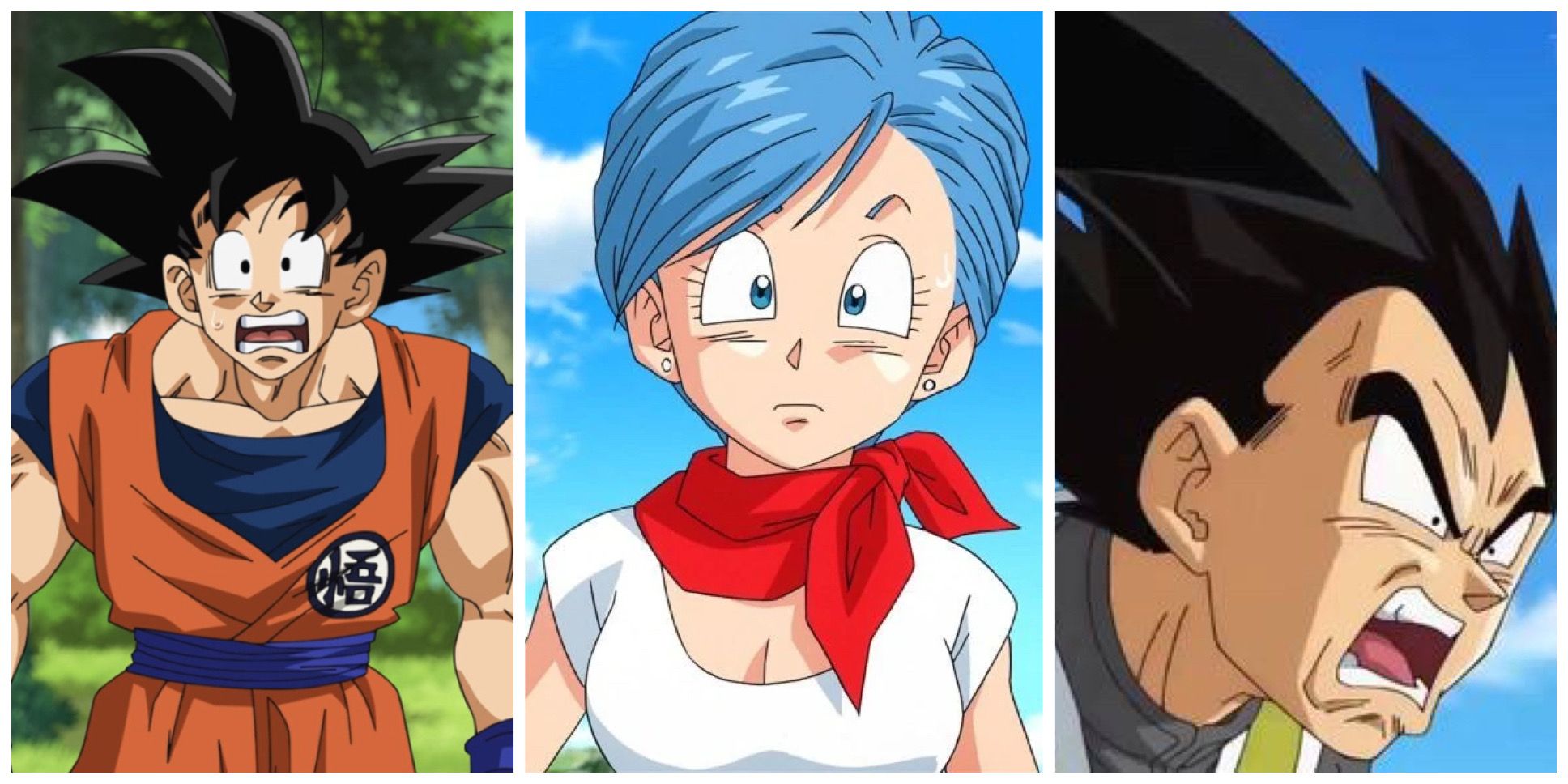
For millions of fans across the globe, the Dragon Ball Z franchise is more than just an anime series; it is a cultural touchstone that defined childhoods and shaped the landscape of international animation. As the franchise has expanded into feature films, the debate surrounding the best Dragon Ball Z film often shifts away from animation quality or narrative arc and toward a more divisive topic: the localization of audio tracks. For many viewers, the preference between the original Japanese voice cast and the North American English dub remains a significant point of contention.
Whether one grew up watching the iconic broadcast on Toonami or discovered the series through home video releases, the emotional resonance of the characters is frequently tied to the specific performance of their voice actors. This tension between “purist” appreciation and nostalgic attachment to the English dub is a recurring theme in fan communities, particularly when analyzing the legacy of cinematic entries in the franchise, such as Dragon Ball Z: Broly – The Legendary Super Saiyan or the more recent Dragon Ball Super: Broly, which marked a massive shift in production values and global box office reach.
The Evolution of Dragon Ball Z in Global Cinema
The transition of Dragon Ball Z from television to the silver screen has been a decades-long journey. While the original series ran in Japan from 1989 to 1996, the international rollout was a fragmented process, leading to distinct regional experiences. According to Toei Animation, the franchise’s global footprint has grown exponentially, with recent films like Dragon Ball Super: Super Hero (2022) achieving significant success in international markets, grossing over $95 million globally. This success highlights the enduring power of the brand, even as fans continue to debate the nuances of localization.
The “American dub” vs. “Japanese original” conversation is not merely about language; it is about how the medium is consumed. In the United States, the Funimation dub of the 1990s and early 2000s introduced a specific musical score and performance style that many fans now consider the definitive version of the story. Conversely, the original Japanese audio—featuring legendary voice actress Masako Nozawa as Son Goku—offers a tone and intensity that some argue is essential for the true Dragon Ball experience. When evaluating the best film, viewers are often weighing their personal history with the series against modern production standards.
Understanding the Localization Divide
Why does the choice of dubbing matter so much to the community? The answer lies in the concept of “dub nostalgia.” For many, the English voice actors—such as Sean Schemmel and Christopher Sabat—are the voices they associate with the characters’ most pivotal moments. Here’s backed by the way the anime industry shifted its approach to localization over the last 20 years. As reported by Anime News Network, the industry has moved toward more faithful translations and sub-titling, yet the emotional weight of a localized dub remains a powerful pull for long-time viewers who prioritize the accessibility of their native language.
It is critical to recognize that both perspectives are valid. Proponents of the Japanese audio emphasize the nuance of the original intent, noting that the Japanese script often captures subtle character motivations that were sometimes altered in early Western adaptations to fit local television standards. At the same time, the North American dubs helped propel Dragon Ball Z into the mainstream, turning it into the powerhouse of pop culture it is today. When fans discuss their favorite moments, they are often reflecting on where they were when they first heard those iconic lines, regardless of the language they were spoken in.
What Defines the ‘Best’ Film?
If we look past the audio preference, what actually makes a Dragon Ball Z film stand out? Critics and fans alike often point to three key criteria: animation fluidity, the stakes of the conflict, and the progression of the characters. The 2018 film Dragon Ball Super: Broly serves as a prime example of the franchise’s peak, combining high-octane action with a narrative that finally integrated the fan-favorite character Broly into the official canon. The film’s success, which included an opening weekend of roughly $21 million in the U.S. Alone, solidified the idea that the series has a place in modern theater-going culture, as detailed by Box Office Mojo.
the “best” moment or the “best” film is subjective. Whether it is the visceral intensity of a transformation scene or the quiet, comedic interactions between the Z Fighters, the franchise excels because it provides a diverse array of experiences. For the international viewer, the ability to choose between audio tracks—a standard feature on modern digital and physical media releases—means that the barrier to entry has never been lower, allowing each fan to curate their own experience.
Key Takeaways for the Dragon Ball Fan
- Accessibility: Modern streaming platforms and Blu-ray releases now offer both Japanese and English audio options as a standard.
- Cultural Impact: The franchise’s move toward global theatrical releases has increased production budgets, leading to higher quality animation in recent years.
- Subjectivity: The debate over dubbing is largely rooted in nostalgia and personal history with the series, rather than an objective “correct” way to watch.
Looking Ahead to the Future of the Franchise
As the Dragon Ball universe continues to expand under the guidance of creators and the production teams at Toei Animation, fans can look forward to more content that bridges the gap between traditional anime and cinematic experiences. While there are no officially confirmed dates for the next major feature film at this time, the ongoing serialization of the Dragon Ball Super manga ensures that the story remains active and evolving. The community remains a vibrant space for discussion, and as new generations discover the series, the conversations surrounding the best films and the most iconic moments will undoubtedly continue to evolve.

We invite you to share your own experiences. Do you prefer the English dub of your youth, or have you transitioned to the original Japanese audio? Which film holds the title of the best in your collection? Join the conversation in the comments section below and let us know your thoughts on the legacy of this incredible franchise.
Keep reading