
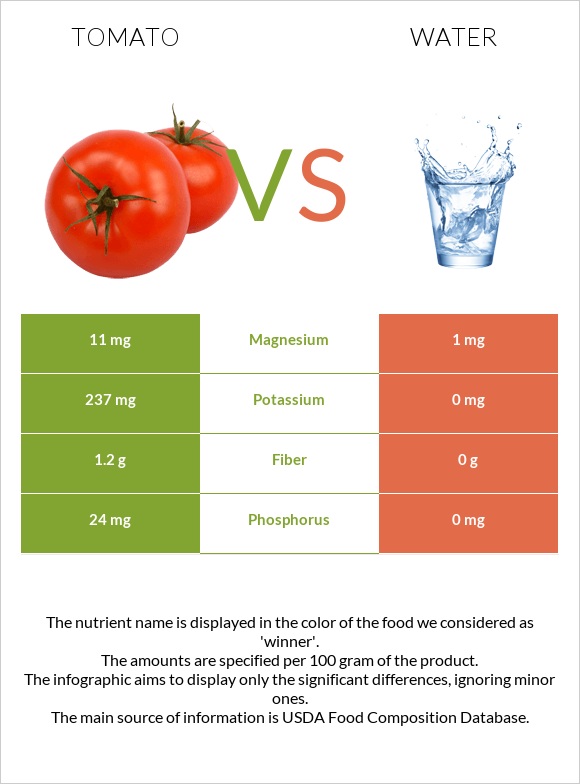
Tomatoes serve as an effective source of hydration because they consist of approximately 94% to 95% water. Beyond hydration, the health benefits of tomatoes include high concentrations of the antioxidant lycopene, which supports cardiovascular and prostate health, as well as essential nutrients such as Vitamin C, potassium, and Vitamin K.
As global temperatures rise during summer months, nutritionists frequently highlight the role of water-dense foods in maintaining fluid balance. The tomato, a staple in many global diets, provides a dual benefit by offering both high water content and a dense profile of micronutrients that assist in cellular function and electrolyte regulation.
According to data from the U.S. Department of Agriculture (USDA), a medium-sized tomato provides a significant amount of hydration with minimal caloric intake. This makes the fruit a primary candidate for dietary interventions aimed at increasing fluid consumption without the added sugars found in many processed beverages.
Why are tomatoes considered a hydration powerhouse?
The primary reason tomatoes contribute to hydration is their extreme water density. Most varieties of the fruit are composed of roughly 94% to 95% water by weight. When consumed, this water is readily available for absorption by the digestive system, aiding in the maintenance of bodily fluids.
However, hydration is not solely dependent on water volume; it also relies on the presence of electrolytes. Tomatoes contain potassium, an essential mineral that acts as an electrolyte. Electrolytes are necessary to facilitate the movement of water into and out of cells, maintaining the electrical gradients required for muscle and nerve function.
By providing both water and potassium, tomatoes assist the body in regulating osmotic pressure. This process is critical during periods of heat stress or physical exertion when the body loses fluids and minerals through perspiration. The combination of these elements helps prevent the rapid electrolyte imbalances that can lead to fatigue or cramping.
What specific nutrients are found in tomatoes?
The nutritional profile of a tomato is characterized by a high concentration of vitamins and minerals relative to its low calorie count. For every 100 grams of raw tomato, the nutritional breakdown includes several key components essential for human health.
Vitamin C: Tomatoes are a notable source of Vitamin C, a water-soluble antioxidant. This nutrient is fundamental for collagen synthesis, which supports skin integrity and wound healing, and it plays a critical role in bolstering the immune system’s response to pathogens.
Vitamin K: This vitamin is essential for blood coagulation and bone metabolism. Vitamin K helps ensure that blood clots correctly when injuries occur and assists in the mineralization of bone tissue.
Folate (Vitamin B9): Folate is necessary for DNA synthesis and cell division. This makes it particularly important for rapidly dividing cells in the body and for overall metabolic health.
Potassium: As mentioned previously, potassium is a vital mineral for cardiovascular health. It helps manage blood pressure by offsetting the effects of sodium and easing tension in the blood vessel walls.
Lycopene: While not a vitamin, lycopene is one of the most significant phytochemicals found in tomatoes. It is a carotenoid responsible for the fruit’s red pigment and is recognized for its potent antioxidant properties.
How does lycopene affect long-term health?
Lycopene is a powerful antioxidant that helps neutralize free radicals—unstable molecules that can cause oxidative stress and damage cells. Scientific interest in lycopene has focused heavily on its potential role in reducing the risk of chronic diseases, particularly cardiovascular disease and certain types of cancer.
Research cited by health authorities, including Harvard Health, suggests that high levels of lycopene in the diet are associated with improved heart health. Lycopene may help lower LDL (low-density lipoprotein) cholesterol levels and prevent the oxidation of cholesterol, a key step in the development of atherosclerosis.
Furthermore, several epidemiological studies have investigated the link between lycopene consumption and prostate health. While clinical trials are ongoing to establish definitive preventative capabilities, the correlation between high lycopene intake and a reduced risk of prostate cancer remains a significant area of medical study.
A critical factor in reaping these benefits is the method of preparation. Unlike many vitamins that are destroyed by heat, lycopene becomes more bioavailable—meaning it is easier for the body to absorb—when tomatoes are cooked. Heat breaks down the plant cell walls, releasing the lycopene into a form that the human digestive tract can more efficiently process.
Can eating tomatoes support eye and skin health?
The health benefits of tomatoes extend to sensory organs and the integumentary system (the skin). The presence of carotenoids such as lutein and zeaxanthin provides specific protections for ocular health.
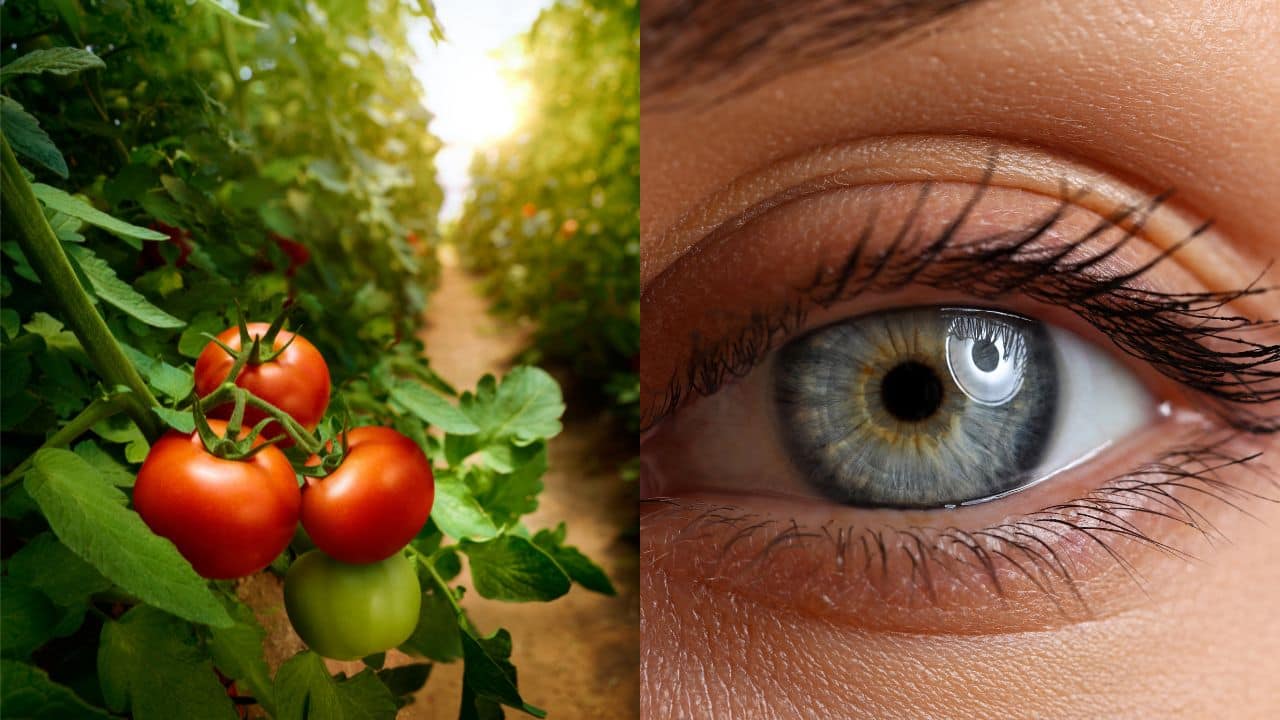
Lutein and zeaxanthin are pigments that accumulate in the retina of the eye. They act as natural “sunscreen” for the eyes, filtering out harmful high-energy blue light. Regular consumption of these nutrients is linked to a reduced risk of age-related macular degeneration (AMD) and cataracts, two leading causes of vision loss in older populations.
For skin health, the synergy between Vitamin C and lycopene is vital. Vitamin C is a precursor to collagen production, which maintains skin elasticity and prevents premature aging. Simultaneously, the antioxidant properties of lycopene may provide a level of internal protection against ultraviolet (UV) radiation damage. While tomatoes cannot replace topical sunscreens, the systemic antioxidant support helps mitigate the oxidative stress caused by sun exposure.
Nutritional Comparison: Raw vs. Cooked Tomatoes
| Nutrient/Feature | Raw Tomatoes | Cooked Tomatoes (with oil) |
|---|---|---|
| Water Content | Highest (approx. 95%) | Reduced due to evaporation |
| Lycopene Bioavailability | Lower (trapped in cell walls) | Significantly Higher |
| Vitamin C Content | Highest (heat-sensitive) | Reduced due to heat exposure |
| Absorption Rate | Standard | Enhanced (especially with fats) |
Key Takeaways
- Hydration: Tomatoes are roughly 95% water and contain potassium, making them an effective tool for maintaining fluid and electrolyte balance.
- Antioxidant Support: Lycopene provides significant protection against oxidative stress and is linked to heart and prostate health.
- Preparation Matters: Cooking tomatoes increases the absorption of lycopene, while eating them raw preserves higher levels of Vitamin C.
- Eye & Skin Health: Lutein and zeaxanthin support retinal health, while Vitamin C aids in collagen production.
Nutritional guidelines from global health organizations continue to recommend a diverse intake of colorful vegetables to ensure a full spectrum of phytonutrients. For those tracking specific dietary requirements, the USDA FoodData Central remains the primary resource for updated nutritional values.
As new clinical studies regarding the long-term effects of carotenoids are published, health experts will continue to refine dietary recommendations. We encourage you to share this report with your network and leave your comments below regarding how you incorporate nutrient-dense foods into your summer diet.
Keep reading