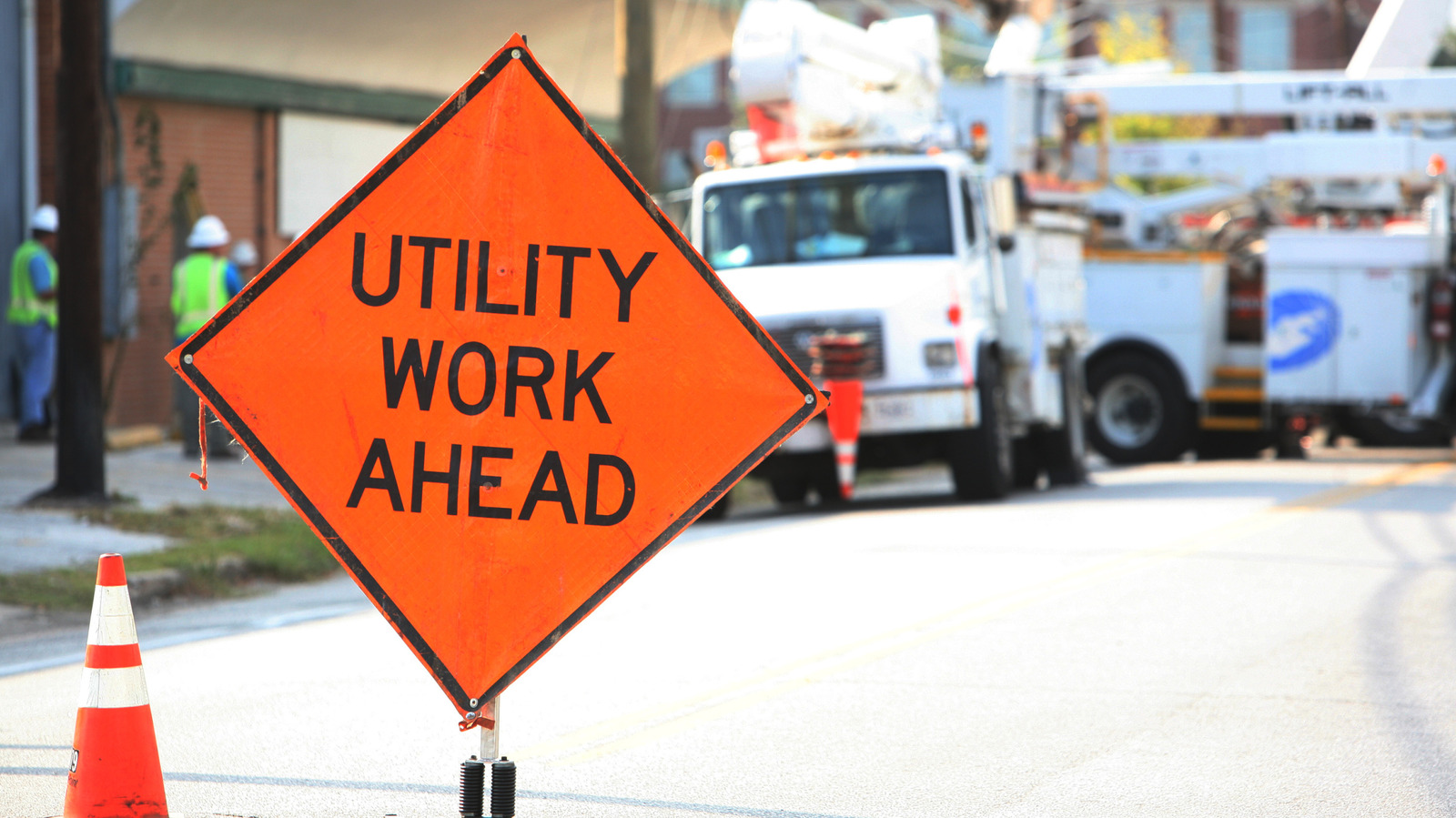
As a property owner, seeing a utility crew arrive to begin excavation on your land can be an unsettling experience. Whether they are installing fiber-optic cables, repairing water mains, or performing routine maintenance on electrical infrastructure, the sudden appearance of heavy machinery can raise immediate questions about your rights. Understanding why utility crews might not need permission to dig in your yard requires a look at the legal frameworks that govern infrastructure access, specifically the concept of utility easements.
In the United States, infrastructure stability is supported by established legal doctrines that allow service providers to access specific portions of private property. These access rights are primarily defined by easements, which are legal interests in land that grant a utility company or municipality the right to use, enter, or cross a property for a specific purpose. When you purchase a home or land, these easements are typically recorded in the property’s deed or title records, meaning they often exist long before you take ownership.
Understanding Utility Easements and Property Rights
An easement is not an ownership interest in your land, but It’s a significant limitation on your exclusive control. Utility companies rely on these established corridors to maintain the essential services that keep communities connected, including electricity, natural gas, water, and telecommunications. Because these systems are interconnected, a single property’s refusal to grant access could potentially disrupt services for an entire neighborhood.

According to the Department of the Interior, rights-of-way and easements are critical to the management of federal and public infrastructure. While your property lines remain the same, the easement area is essentially a designated zone where the utility provider has the legal authority to perform necessary work, such as digging, trimming trees, or upgrading equipment. This is why, in many cases, a utility crew does not need to secure your explicit permission every time they perform maintenance within that predefined area.
It is important to distinguish between public utility easements and private property boundaries. While you maintain ownership of the land, you are generally restricted from building permanent structures—such as sheds, decks, or fences—within these easement zones. If you construct an object that obstructs access, the utility company typically has the legal right to remove it, often at the property owner’s expense, if it interferes with their ability to maintain the infrastructure.
The Role of ‘Call Before You Dig’ Programs
While utility crews may have legal access, the process of excavation is heavily regulated to prevent damage to underground lines. Most states mandate participation in “811” services, which are designed to protect both the infrastructure and the homeowner. When a project is planned, the excavator is required to notify the state’s One-Call center, which then coordinates with various utility companies to locate and mark underground lines.
This process is a two-way street. Utility companies are responsible for marking their lines, but property owners also have a responsibility to be aware of the easements on their property. If you suspect that a crew is working outside of the designated easement area or damaging your property without a clear legal mandate, you have the right to request documentation. Most local utility providers maintain public records or maps that indicate where their easements are located on a specific parcel of land.
What Happens When Disputes Arise?
If you find yourself in a situation where you believe a utility crew is exceeding their legal rights or causing unnecessary damage, the first step is to remain calm and gather information. Attempt to identify the company or contractor performing the work and ask for the specific permit or project documentation they are operating under. Most reputable utility companies and their contractors are required to carry identification and information about the work being performed.
If the work is being conducted by a municipality or a public utility, they are generally required to follow state and local regulations regarding property restoration. This often means that after the work is completed, they are obligated to return the property to a condition reasonably similar to its original state, though this does not always include replacing expensive landscaping or non-permanent structures that were in the way of the infrastructure.
For complex disputes, consulting a local real estate attorney or your county’s land records office is the most effective way to verify the exact dimensions and terms of any easements attached to your property. These records are public, and understanding them is a fundamental part of responsible property ownership.
Key Takeaways for Property Owners
- Verify the Easement: Check your property deed or visit your county recorder’s office to see if a utility easement exists on your land.
- Understand the Scope: Easements allow utilities to perform necessary repairs and maintenance; they do not grant ownership of the land itself.
- Check for Permits: If significant work is being performed, the crew should be able to provide information regarding the project and the associated permits.
- Prioritize Safety: Never attempt to stop a crew physically if they are working on utility lines, as this can be dangerous. Use official channels to report concerns.
As technology evolves and infrastructure needs change, the importance of these legal corridors will only grow. Staying informed about your property rights and the responsibilities of utility providers is the best way to handle these situations. For further updates on property rights or to learn about how local infrastructure projects are approved, you can check your municipal government’s official website for upcoming public hearings or planning department filings.

Have you had an experience with utility work on your property? We encourage you to share your questions or experiences in the comments section below. Your insights help our community navigate the complexities of home ownership in an increasingly connected world.
Worth a look