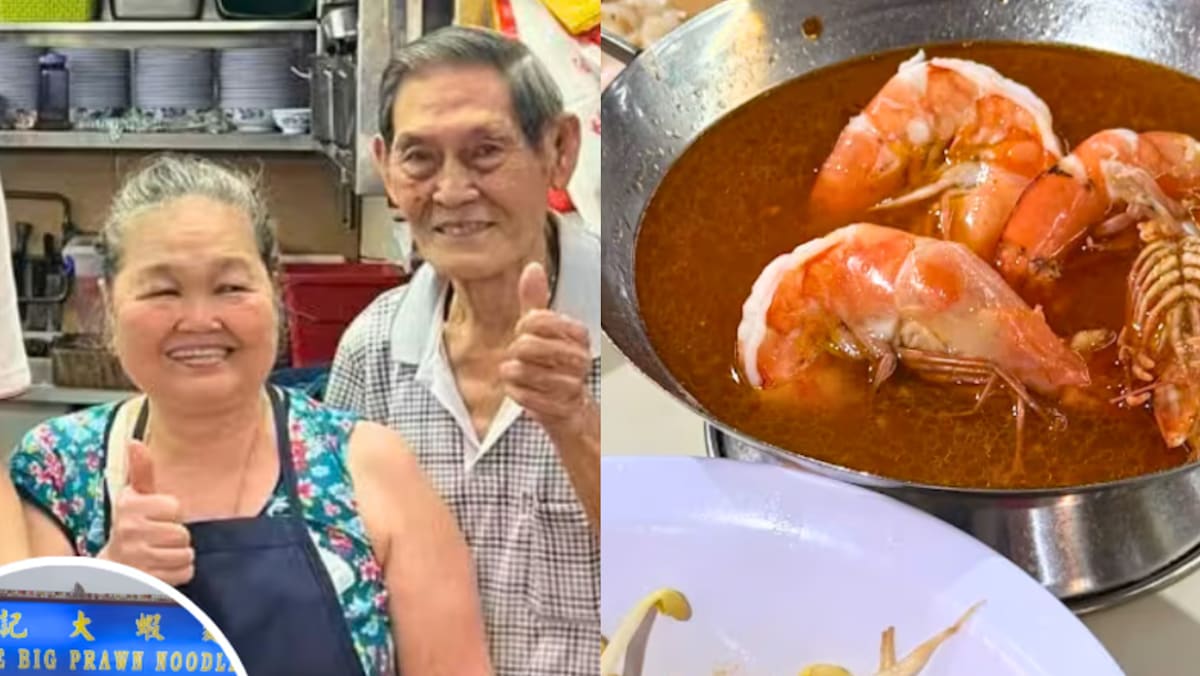
In the bustling landscape of Singapore’s hawker culture, few names carry as much weight—or as much controversy—as Wah Kee Big Prawn Noodle. Nestled within the Pek Kio Market and Food Centre, the stall has long been a destination for food enthusiasts seeking a robust, umami-rich bowl of crustacean-infused broth. However, the reputation of the establishment is often bifurcated: while the quality of the food is rarely debated, the demeanor of its proprietor, Tham Lay Mon, has frequently become a focal point of public discourse.
Following a three-month hiatus that left many regulars wondering about the future of the heritage brand, the stall is slated for a return to operations in June. This reopening arrives at a critical juncture for the local food and beverage industry, where the intersection of traditional culinary craftsmanship and the evolving expectations of modern service standards remains a point of contention. For many, the return of Wah Kee serves as a case study in the challenges faced by independent food vendors in an age of instantaneous digital feedback.
The Michelin-recognized stall has navigated years of scrutiny regarding its service style. In an era where online reviews can pivot from culinary critique to personal character assessment in seconds, the conversation surrounding Wah Kee has shifted from the viscosity of its broth to the perceived “rudeness” of its staff. As Tham Lay Mon prepares to resume service, the narrative surrounding the stall offers a window into the broader friction between traditional hawker culture and the customer-centric demands of the 21st-century dining scene.
The Human Element Behind the Hawker Stall
To understand the frustration often expressed by hawkers, one must look at the physical and mental toll of the trade. Operating a stall like Wah Kee is not merely about cooking; This proves an endurance sport that begins long before the first customer arrives at the counter. The preparation of the signature prawn stock—a labor-intensive process involving hours of simmering crustaceans to extract maximum flavor—is a testament to a commitment to quality that is becoming increasingly rare in an era of shortcuts and industrial additives.

When claims of “rudeness” emerge, they often overlook the context of high-pressure environments. For a solo operator or a modest team, the pace of a lunch rush at a popular market can be overwhelming. The expectation that a hawker must balance the precision of a high-end kitchen with the warmth of a hospitality professional is a standard that many traditional vendors find difficult to meet. It is a tension between “efficiency” and “service,” where the former is essential for survival in a low-margin business environment.
the physical labor involved—standing for hours in a humid, non-air-conditioned environment while managing boiling pots—is rarely captured in social media snapshots. What some patrons interpret as a curt tone may, in reality, be the byproduct of extreme fatigue or a focus on maintaining the consistency of a recipe that has been refined over decades. The upcoming reopening in June is a reminder that these institutions are, family-run small businesses rather than corporate entities with dedicated customer service departments.
Navigating the Digital Feedback Loop
The rise of review platforms and social media has fundamentally altered how traditional food establishments interact with their clientele. In the past, feedback was immediate and localized; today, a single negative experience can be amplified to a global audience within hours. For business owners like Tham Lay Mon, this creates a permanent record of interactions that may not reflect the totality of their contribution to the local food ecosystem.
This digital pressure has led to a phenomenon where “service” is often conflated with “submission.” Customers, armed with the power of the internet, often demand a level of deference that may not align with the egalitarian, utilitarian roots of the hawker center. For the older generation of hawkers, the exchange is simple: the customer pays for a product, and the hawker provides it. When the emotional labor of “being nice” is added to the already grueling physical labor of the trade, the result is often a breakdown in communication.
As we observe the return of Wah Kee, it is worth considering the sustainability of this model. If we, as a society, value the preservation of heritage food, we must also be willing to accept the human imperfections of the people who make it. The “curtness” often reported by critics might be better understood as the focused intensity of someone who views their craft as a vocation rather than a service job.
What the Reopening Means for Hawker Heritage
The significance of Wah Kee’s return extends beyond the immediate satisfaction of its loyal customer base. It highlights the ongoing struggle to keep traditional, labor-intensive food preparation alive in a city where rising operational costs and labor shortages are the norm. The National Environment Agency (NEA) continues to oversee the regulatory framework for these centers, which remains a vital component of Singapore’s social infrastructure, providing affordable meals to a diverse population.
The decision to close for three months and then reopen suggests a period of necessary recalibration. Whether this involves adjusting the menu, hiring additional support, or simply allowing the proprietor a period of rest, it underscores the fragility of these businesses. When a legendary stall closes, it is not just a commercial failure; it is a loss of a cultural asset that cannot be easily replaced or replicated by chains or mass-market competitors.

Looking ahead, the success of Wah Kee’s reopening will likely be measured by more than just the quality of its prawn mee. It will be a test of whether the public is ready to embrace a more nuanced understanding of the hawker trade—one that prioritizes the preservation of authentic recipes over the demand for frictionless, high-touch service. As patrons return to the Pek Kio Market this June, the hope is that they bring with them a renewed appreciation for the immense effort required to keep such traditions alive.
Key Takeaways for Patrons
- Authenticity Over Polish: Traditional hawker stalls prioritize recipe integrity and high-volume output, which may not always align with contemporary “service-first” expectations.
- The Cost of Quality: The labor-intensive nature of preparing heritage dishes like prawn mee requires immense physical endurance, often leading to high-pressure environments.
- Supporting Local Heritage: Understanding the challenges faced by independent vendors is crucial to ensuring these cultural touchstones remain viable for future generations.
As of this writing, the official reopening date for Wah Kee in June has not been finalized with a specific calendar day. Patrons are encouraged to monitor local community boards and the stall’s official social media channels for the most current updates regarding operating hours and service availability. We invite our readers to share their thoughts on the balance between service and culinary quality in the comments section below—how do you weigh the experience of the meal against the interaction with the vendor?
Keep reading