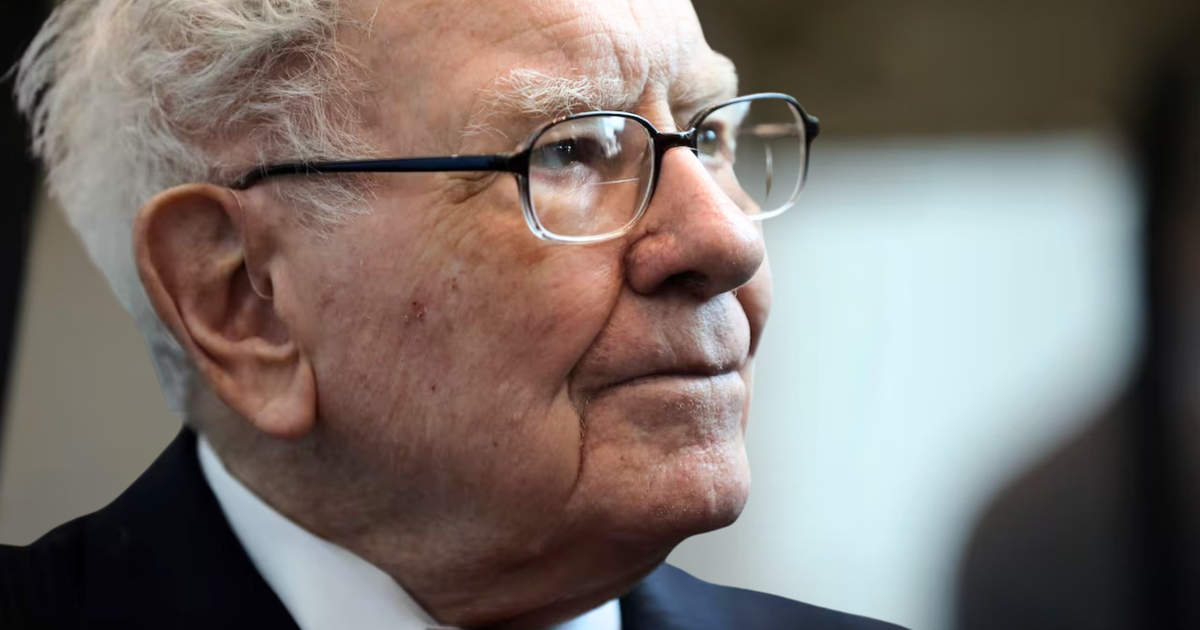
Warren Buffett, the chairman and CEO of Berkshire Hathaway, has confirmed he is no longer contributing to the Bill & Melinda Gates Foundation. In a public statement released in June 2024, the billionaire investor announced that his future philanthropic donations would be directed toward other entities, effectively ending his long-standing role as a trustee and major donor to the organization. While reports have linked this decision to broader shifts in his charitable strategy, the move marks a significant departure from his previous commitment to donate the bulk of his fortune to the foundation.
According to an official filing with the Securities and Exchange Commission, Buffett’s philanthropic activities are being restructured to focus on a new trust overseen by his three children. The transition involves a move away from the model established in 2006, when Buffett began pledging the majority of his Berkshire Hathaway shares to the Gates Foundation. As reported by Reuters, Buffett had already resigned as a trustee of the foundation in 2021, a period that coincided with increased public scrutiny regarding the personal associations of the foundation’s co-founders.
Strategic Shifts in Philanthropic Allocation
The billionaire’s exit from the Gates Foundation is not an abrupt cessation of his charitable efforts but a strategic reallocation of his capital. Buffett has stated that his remaining Berkshire Hathaway stock will be distributed to four family-led foundations rather than the Gates Foundation. This change reflects a long-term plan to ensure his assets are managed by family members who share his philanthropic values. The transition process is detailed in disclosures provided by CNBC, which highlight the shift toward his own family’s charitable vehicles.
For nearly two decades, Buffett’s donations were a cornerstone of the Gates Foundation’s global health and development initiatives. His departure alters the financial landscape for the organization, which has historically relied on his annual contributions to scale its programs. Observers note that while the foundation maintains a significant endowment, the loss of Buffett’s future stock grants necessitates a recalibration of its long-term funding models. The Bill & Melinda Gates Foundation has publicly acknowledged the impact of Buffett’s support over the years, noting that his contributions have been instrumental in addressing global issues such as polio eradication and agricultural development.
Contextualizing the Decision Amid Public Scrutiny
Discussions regarding Buffett’s departure often reference the complex environment surrounding the Gates Foundation following the 2021 divorce of Bill and Melinda French Gates. During that period, public reports surfaced concerning Bill Gates’ past interactions with Jeffrey Epstein, a convicted sex offender. Although Bill Gates has publicly stated that his meetings with Epstein were a “mistake” and solely related to philanthropic discussions, the timing of these revelations created significant reputational pressure for the foundation.
While Buffett has not explicitly cited the Epstein controversy as the primary driver for his decision, the timeline of his resignation as a trustee in 2021 aligns with the period when these associations became a focal point of media coverage. As documented by the New York Times, the scrutiny surrounding the foundation’s leadership and corporate governance was intense during that fiscal year. Buffett’s decision to step down from the board and now end his donations serves as a clear separation from the foundation’s governance structure.
What This Means for Global Philanthropy
The movement of Buffett’s wealth into private, family-led trusts signals a trend toward more localized or family-controlled philanthropic efforts among high-net-worth individuals. By shifting his focus away from a singular, massive global entity to smaller, family-managed foundations, Buffett is ensuring that his legacy is managed by his heirs. This approach offers more control over how the capital is deployed and monitored.
The next checkpoint for this transition will be the annual release of Berkshire Hathaway’s philanthropic distribution schedules, which typically occur in the summer months. These filings will provide the public with a clearer picture of how much capital is being redirected to the various family foundations. As the philanthropic community monitors these changes, the focus remains on how the Gates Foundation will adapt its operations to sustain its global health mandates without the influx of shares that previously defined its growth.
We invite our readers to share their perspectives on the evolving landscape of global philanthropy in the comments section below. For ongoing updates regarding financial disclosures and major philanthropic shifts, continue to follow our reporting at World Today Journal.
Keep reading